
Maximizing Yield: The ROI of Automated Screen Polishing in Phone Refurbishment
In the high-volume mobile phone refurbishment sector, profit margins are continually squeezed by rising labor costs and inventory depreciation. When dealing with used devices, light surface scratches on glass screens often force wholesalers to downgrade pristine functional units to Grade B or C, resulting in significant revenue loss. Implementing an automated screen polishing machine ROI strategy allows factories and large repair shops to systematically restore these units to Grade A condition, directly optimizing unit economics and maximizing overall yield.
The Hidden Costs of Manual Screen Polishing
For many independent repair shops and mid-sized wholesalers, manual screen polishing has been the default method for addressing cosmetic defects. However, from a B2B operational standpoint, manual processes introduce severe inefficiencies. Skilled technicians are expensive, and their time is better spent on complex board-level repairs rather than tedious surface buffing.
More importantly, manual polishing relies heavily on operator consistency. Uneven pressure and variable rotation speeds frequently lead to edge chipping or uneven glass leveling. This inconsistency drives up the scrap rate, turning potentially profitable Grade B units into unsellable waste. When calculating your true unit cost reduction, the hidden expenses of manual labor, high breakage rates, and inconsistent yield must be factored into the equation.
Upgrading Grade B/C Screens to Grade A
It is critical to clarify that automated polishing is strictly for light surface scratches on the glass digitizer. It cannot and will not fix cracked, deeply fractured, or shattered screens. Attempting to polish structurally compromised glass will only worsen the damage.
For units suffering solely from light surface wear, automated systems utilize precise, programmable pressure and consistent rotation to level the glass surface perfectly. By deploying a high-capacity unit like the CPM-016 16-station machine, large refurbishment factories can process multiple devices simultaneously. This transforms a bottlenecked manual process into a streamlined, high-throughput operation, directly accelerating your automated screen polishing machine ROI.

Calculating Your Automated Screen Polishing Machine ROI
To accurately project the financial impact of integrating automated polishing into your production line, you must look beyond the initial equipment cost. The true value lies in the delta between Grade A and Grade B/C wholesale pricing, offset by operational expenses.
Cost Optimization Formula for Screen Refurbishment:
Net Yield Increase = (Grade A Wholesale Premium – Grade B/C Discount) × Total Units Processed
Minus Operational Costs = (Machine Amortization + Consumables Repurchase Cost + Reduced Labor Hours)
Resulting in maximized unit cost reduction, lowered scrap rates, and optimized automated screen polishing machine ROI.
Scaling Throughput and Precision Tooling
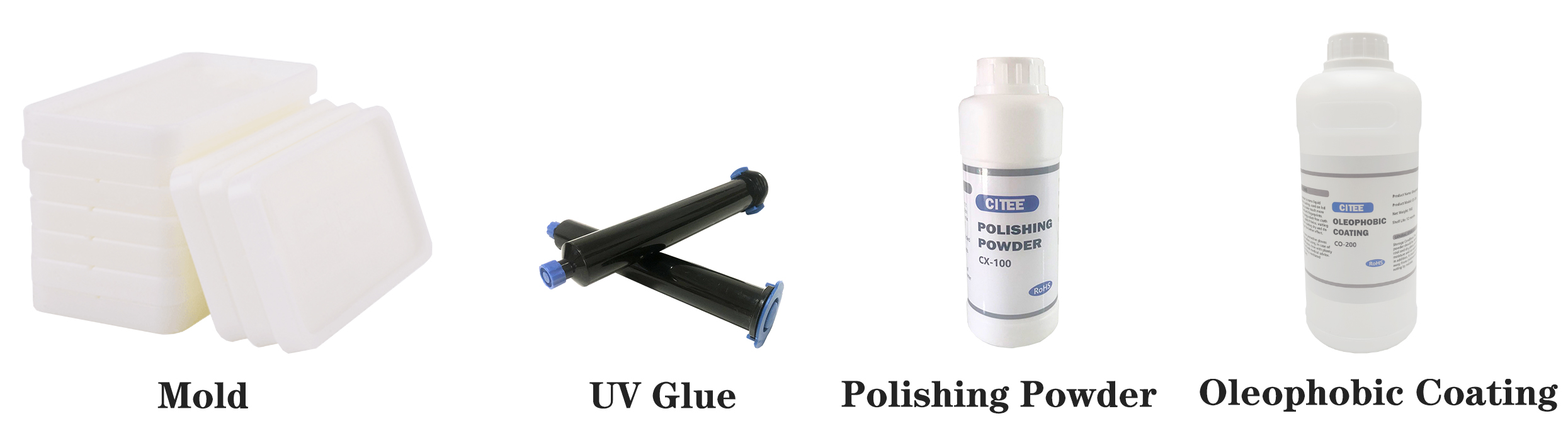
Throughput capacity is the primary driver of profitability in high-volume refurbishment. While a dual-station desktop machine might suffice for a small repair shop, large factories require robust infrastructure. Utilizing model-specific phone holding molds is non-negotiable for scaling. These precision jigs ensure exact alignment, preventing the machine from applying pressure to the vulnerable edges of the device, thereby keeping the scrap rate near zero.
For operations processing thousands of units monthly, upgrading to a 24-station high-capacity machine maximizes daily output without requiring a proportional increase in floor space or operator headcount.
Factoring in Consumables Repurchase Costs
A comprehensive B2B cost analysis must include ongoing operational expenditures. Automated polishing requires specific consumables to maintain peak efficiency and final product quality.
The primary abrasive agent is cerium oxide, typically sourced in bulk like the 5KG polishing powder to minimize per-unit costs. Furthermore, once the light surface scratches are removed, the glass must be protected and finished. Applying an AR oleophobic anti-fingerprint coating restores the premium feel expected by downstream buyers, ensuring the refurbished unit commands top-tier market pricing. These consumables repurchase costs are minimal when amortized across thousands of upgraded units.
Frequently Asked Questions
Can automated polishing machines fix cracked or shattered screens?
No. Automated polishing is strictly designed to fix light surface scratches on the glass digitizer. It cannot and will not fix cracked, deeply fractured, or shattered screens. Attempting to polish damaged glass will compromise the structural integrity of the device.
How does an automated screen polishing machine ROI compare to manual refurbishment?
Automated systems drastically reduce labor hours and minimize screen breakage caused by uneven manual pressure. By consistently upgrading Grade B and C inventory to Grade A, the increased resale value per unit significantly outpaces the machine amortization and consumables repurchase costs, delivering a superior ROI.
What ongoing consumables are required for automated screen polishing?
Continuous operation requires cerium oxide polishing powder, replacement wool polishing blankets, and AR oleophobic anti-fingerprint coating liquid for the final finish. Model-specific phone holding molds are also necessary to ensure precise alignment without edge damage.
How can I get pricing and lead times for the equipment?
Pricing, minimum order quantities, and lead times vary based on your specific operational scale. Please contact our B2B sales team and provide your company details to request a formal Proforma Invoice (PI) tailored to your refurbishment requirements.
Optimize Your Refurbishment Yield Today
To evaluate your facility’s upgrade potential and request a formal Proforma Invoice (PI), please contact our B2B sales team. When reaching out, ensure you provide your company name, monthly refurbishment volume, target quantity for equipment, and whether you need matching consumables included in your quote.
No. Automated polishing is strictly designed to fix light surface scratches on the glass digitizer. It cannot and will not fix cracked, deeply fractured, or shattered screens. Attempting to polish damaged glass will compromise the structural integrity of the device.
Automated systems drastically reduce labor hours and minimize screen breakage caused by uneven manual pressure. By consistently upgrading Grade B and C inventory to Grade A, the increased resale value per unit significantly outpaces the machine amortization and consumables repurchase costs, delivering a superior ROI.
Continuous operation requires cerium oxide polishing powder, replacement wool polishing blankets, and AR oleophobic anti-fingerprint coating liquid for the final finish. Model-specific phone holding molds are also necessary to ensure precise alignment without edge damage.
Pricing, minimum order quantities, and lead times vary based on your specific operational scale. Please contact our B2B sales team and provide your company details to request a formal Proforma Invoice (PI) tailored to your refurbishment requirements.