
How to Choose a Screen Polishing Machine by Capacity Stations for Maximum ROI
In the competitive used smartphone refurbishment industry, maximizing yield on inventory with light surface scratches is critical for profitability. However, it is crucial to understand that polishing can only remediate light surface-level scratches; it cannot fix deep cracks, shattered glass, or deeply fractured screens. To optimize your refurbishment line, selecting the right screen polishing machine by capacity stations is the most effective way to align your throughput with your business scale. By matching your daily processing volume to the correct station count, factory owners and repair shop managers can significantly reduce scrap rates and improve overall unit economics.
Evaluating Your Refurbishment Throughput Needs
Before investing in capital equipment, refurbishment managers and used phone wholesalers must audit their current intake of devices with minor cosmetic defects. The primary goal is to rescue screens that would otherwise be downgraded or discarded due to light scuffs, thereby lowering the average unit cost of refurbished handsets and maintaining high wholesale grading standards (such as 95% or 98% new).
When you evaluate your workflow, consider the daily volume of phones requiring cosmetic remediation. A small independent repair shop processing 50 phones a day has vastly different infrastructure requirements than a large-scale refurbishment factory processing 5,000 units daily. For a comprehensive overview of equipment specifications and technical differences between each tier, we recommend reviewing our Screen Polishing Machines Buying Guide.
Selecting the Right Screen Polishing Machine by Capacity Stations
CITEE Industrial designs its equipment lineup to scale seamlessly with your operational demands. Choosing the correct screen polishing machine by capacity stations ensures you neither over-invest in idle machinery nor bottleneck your production line.
Independent Repair Shops (1 Station)
For small operations or independent repair shops handling low to moderate volumes, the CPM-001 is the ideal entry point. This single-station machine provides a compact footprint while delivering consistent results for light surface scratch removal, allowing technicians to rescue otherwise unsellable inventory without requiring massive floor space.
Growing Repair Shops (2 Stations)
As your intake of cosmetically flawed devices increases, upgrading to a CPM-002 dual-station desktop machine allows for parallel processing. This configuration effectively doubles your throughput capacity for light scratch remediation, making it highly efficient for mid-sized repair shops looking to optimize labor costs.
Large Shops and Factories (4 to 8 Stations)
For high-volume operations, the CPM-004/CPM-008 series offers 4 or 8 stations equipped with a built-in compressor. This integrated pneumatic system ensures uniform pressure application across multiple screens simultaneously, drastically reducing cycle times and improving consistency in large shops and medium-sized factories.
Refurbishment Factories (16 Stations)
When scaling to industrial refurbishment, the CPM-016 16-station machine becomes the backbone of your cosmetic remediation line. Designed for large factories, this model maximizes floor space efficiency while delivering massive throughput, ensuring that high volumes of lightly scratched screens are processed rapidly.
Large-Scale Industrial Factories (24 Stations)
For the highest tier of production, the CPM-024 24-station high-capacity machine represents the pinnacle of throughput. Engineered for large factories processing tens of thousands of units monthly, this model minimizes the unit cost of remediation through sheer economies of scale, turning light surface scratches into pure profit.

Optimizing Unit Costs and Consumables Repurchase
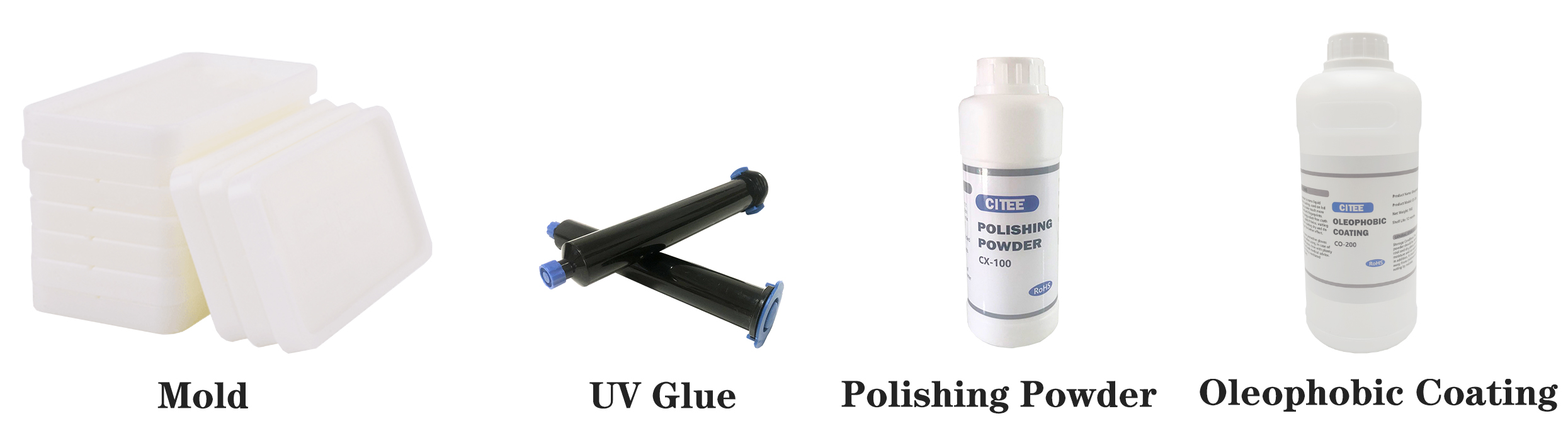
The true ROI of a polishing system is realized when you factor in the reduction of scrap rates and the ongoing cost of consumables. Every screen saved from the scrap bin directly improves your gross margin. However, operational efficiency also depends on managing your consumables repurchase cost, such as polishing films and compounds. Higher station counts require bulk consumables planning to maintain uninterrupted production.
To help you calculate the optimal setup for your facility, use the following selection checklist:
CITEE Capacity Selection Checklist:
1. Daily Volume: Calculate the exact number of phones with light surface scratches processed per shift.
2. Shift Structure: Determine if you run single, double, or triple shifts, as this multiplies your required station count.
3. Consumables Budget: Estimate monthly polishing film usage; higher station counts require bulk consumables planning.
4. Damage Assessment: Ensure incoming inventory consists only of light surface scratches. Remember, polishing cannot fix deep cracks or shattered glass.
5. Facility Footprint: Measure available floor space to ensure the chosen station configuration fits your production layout.
Frequently Asked Questions
Q: Can these machines fix cracked or shattered phone screens?
A: No. CITEE screen polishing machines are strictly designed to remediate light surface scratches on glass screens. They cannot fix deep cracks, shattered glass, or deeply fractured screens.
Q: How do I determine the right number of stations for my factory?
A: You must calculate your daily intake of devices with light cosmetic defects and divide it by your target processing time per unit. Our sales team can help you calculate the exact station count needed based on your shift structure.
Q: What is the ongoing cost of consumables for these machines?
A: Consumables costs vary based on your throughput volume and the severity of the light surface scratches. We recommend requesting a formal PI with your specific operational data to get an accurate estimate of consumables repurchase costs.
Maximize Your Refurbishment ROI Today
Ready to reduce your scrap rate and maximize the ROI of your refurbishment line? To receive a formal Proforma Invoice (PI) and a customized equipment proposal, please contact our B2B sales team. When reaching out, please provide your company name, monthly refurbishment volume, target quantity for the equipment, and whether you need matching consumables included in your initial order. Our engineers will analyze your data to recommend the perfect screen polishing machine by capacity stations for your specific operational requirements.
No. CITEE screen polishing machines are strictly designed to remediate light surface scratches on glass screens. They cannot fix deep cracks, shattered glass, or deeply fractured screens.
You must calculate your daily intake of devices with light cosmetic defects and divide it by your target processing time per unit. Our sales team can help you calculate the exact station count needed based on your shift structure.
Consumables costs vary based on your throughput volume and the severity of the light surface scratches. We recommend requesting a formal PI with your specific operational data to get an accurate estimate of consumables repurchase costs.