
Maximizing Refurbishment ROI: The Polishing Blanket Replacement Lifespan Guide
For B2B screen refurbishment facilities, managing consumable costs is critical to maintaining healthy profit margins. When processing high volumes of used smartphones with light surface scratches, the polishing blanket replacement lifespan directly impacts your unit economics. Factory owners and repair shop operators must balance throughput capacity with consumables repurchase costs to ensure maximum ROI. Understanding exactly when and how to replace your polishing pads prevents both premature waste and declining finish quality. This guide breaks down the operational factors that dictate pad longevity and how to optimize your refurbishment line.
Understanding the Factors Behind Polishing Blanket Replacement Lifespan
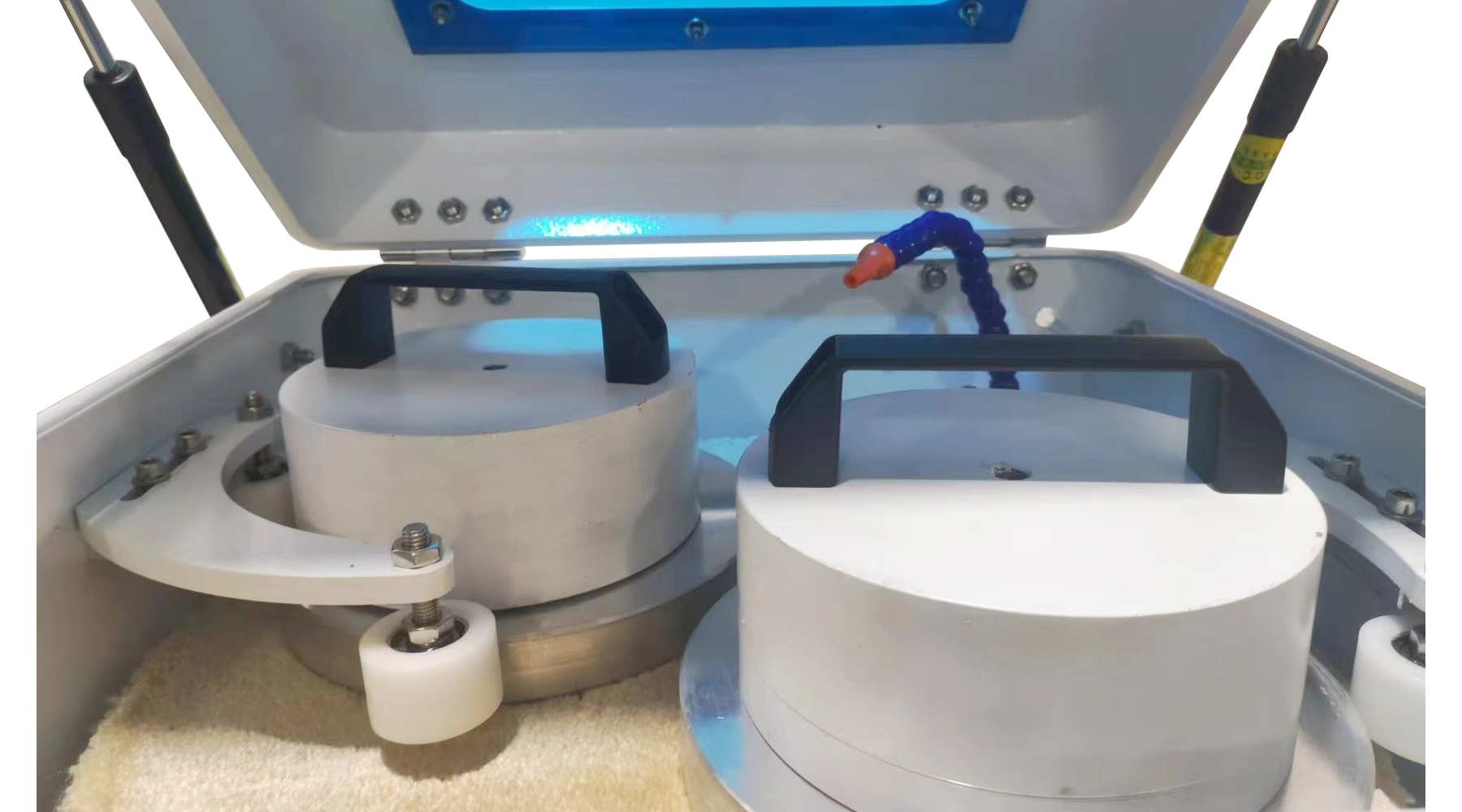
In high-volume screen refurbishment, the wool polishing pad is the primary mechanical interface between your machinery and the device glass. Its primary function is to hold and distribute the polishing slurry while providing the necessary friction to level the glass surface. The polishing blanket replacement lifespan is not a fixed number of days; rather, it is dictated by operational variables.
When natural wool fibers are subjected to continuous mechanical friction, they gradually lose their loft and structural integrity. As the fibers compress, their ability to hold the cerium oxide slurry diminishes. This leads to a drop in polishing efficiency, meaning operators might inadvertently increase the machine’s down-pressure to compensate. This creates a vicious cycle that accelerates pad degradation. By understanding these physical changes, facility managers can implement preventative measures to extend pad life and maintain consistent throughput.
Operational Metrics That Degrade Wool Pads
Several daily operational metrics directly influence how quickly your consumables wear out. First, machine calibration is paramount. If the polishing head is not perfectly level, uneven pressure distribution will cause specific zones of the blanket to wear out prematurely, rendering the entire pad unusable even if other sections remain viable.
Second, thermal management plays a massive role. Polishing generates significant heat. If the automated slurry dispensing system fails to provide adequate lubrication, the friction will scorch the natural wool fibers. Scorched fibers become brittle and lose their abrasiveness, drastically shortening the usable life of the pad.
Furthermore, it is crucial to remember that mechanical polishing processes are strictly designed to eliminate light surface scratches on glass screens. Polishing cannot fix deep cracks, shattered glass, or deeply fractured screens. Attempting to polish deep structural damage will not only fail to restore the screen but will also rapidly destroy your consumables and increase your scrap rate. Only devices with superficial, light-level glass marring should enter the polishing stage.
Maintenance Strategies to Maximize Pad Longevity
Extending the life of your pads requires a disciplined maintenance protocol. Post-shift cleaning is non-negotiable. During the polishing process, microscopic glass particles from the screens become embedded in the wool matrix. If left overnight, these particles act like coarse sandpaper, damaging the fibers and the next batch of screens. Facilities must implement ultrasonic cleaning or specialized brushing routines to flush out embedded glass dust.
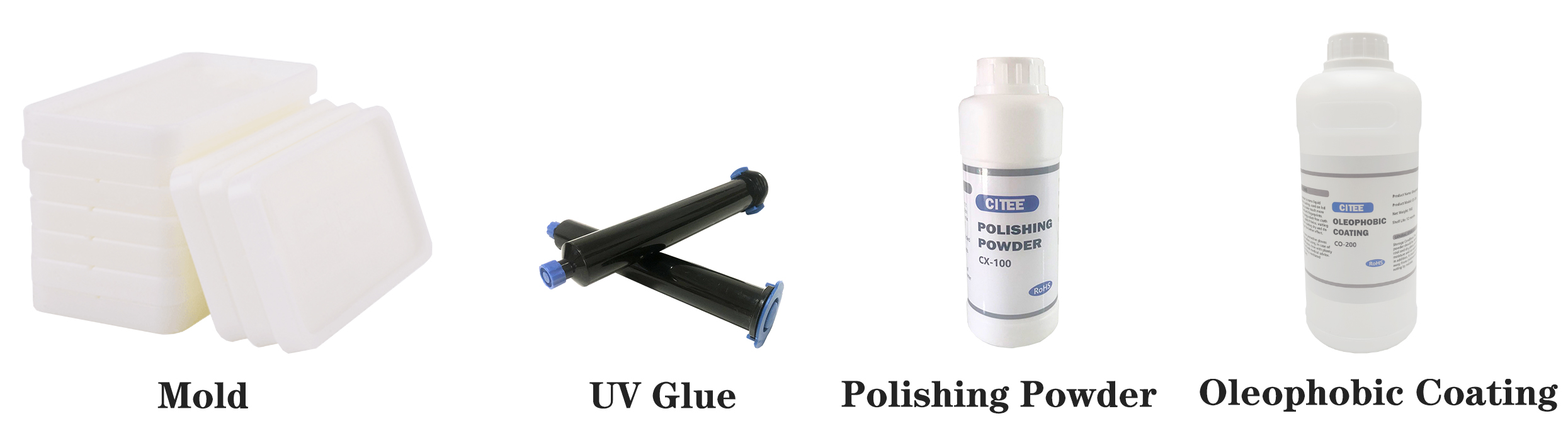
Proper slurry management is equally important. Ensure your cerium oxide mixture is consistently agitated and correctly diluted. A slurry that is too thick will glaze the pad, while a slurry that is too thin will cause dry friction. To calculate your exact overhead and optimize your line, refer to our Polishing Consumables & Operating Cost documentation.
When it is time to restock, sourcing a high-quality replacement wool polishing blanket ensures consistent scratch removal without damaging the underlying LCD assembly. High-density, premium wool blends naturally resist compaction longer than lower-grade alternatives, providing a better long-term ROI despite a potentially higher initial unit cost.
Selection Checklist for Replacement Consumables
To standardize your maintenance protocol, use the following optimization checklist for your refurbishment line:
| Optimization Factor | Best Practice for B2B Facilities |
|---|---|
| Slurry Concentration | Maintain consistent cerium oxide ratios to prevent premature pad glazing. |
| Machine Calibration | Verify down-pressure and head leveling weekly; excessive force accelerates fiber compression. |
| Post-Shift Cleaning | Use ultrasonic cleaners or specialized brushing to remove embedded glass dust immediately. |
| Storage Conditions | Store dry, unused pads in climate-controlled environments to prevent fiber degradation. |
Conclusion: Driving Down Unit Costs
In the competitive B2B refurbishment market, controlling overhead is just as important as increasing sales volume. By strictly adhering to maintenance protocols, calibrating your machinery, and only processing devices with light surface scratches, you can significantly extend your polishing blanket replacement lifespan. This strategic approach directly reduces your consumables repurchase cost, lowers the unit cost of each refurbished device, and keeps your scrap rate at a minimum.
Ready to optimize your consumables budget and reduce your unit cost? Contact our B2B sales team today. To help us provide an accurate formal PI, please provide your company name, monthly refurbishment volume, target quantity, and whether you need matching consumables (such as polishing slurry and coating solutions).
The exact number depends on your daily throughput, down-pressure settings, and slurry concentration. However, monitoring the finish quality and pad loft will help you determine the optimal replacement interval for your specific factory line.
No. Polishing is strictly designed to eliminate light surface scratches on glass screens. It cannot fix deep cracks, shattered glass, or deeply fractured screens. Attempting to polish deep structural damage will ruin the consumable and the device.
Unused replacement wool polishing blankets should be stored flat or rolled in a cool, dry, climate-controlled environment. Exposure to high humidity or direct sunlight can degrade the natural fibers before they are even used.
Signs include a noticeable drop in polishing efficiency, visible compaction or thinning of the wool fibers, discoloration from embedded glass dust that cannot be cleaned, and an increase in micro-marring on the finished screens.