
Glue Dispenser Nozzle Clog Troubleshooting Maintenance for High-Volume Refurbishment
In high-volume phone refurbishment, consistent adhesive application is critical for maintaining throughput and minimizing scrap rates. When production halts, mastering glue dispenser nozzle clog troubleshooting maintenance becomes essential to protect your unit economics. Whether you are sealing screens or applying waterproofing layers, preventing downtime directly impacts your bottom line. This guide outlines industrial best practices to keep your dispensing systems running smoothly.
The Root Causes of Adhesive Blockages in Refurbishment Lines
In a commercial refurbishment facility, adhesive blockages rarely happen without warning. They are usually the result of cumulative environmental and operational factors. Viscosity changes due to fluctuating factory temperatures are a primary culprit. When the ambient temperature drops, adhesives thicken, leading to incomplete curing and eventual nozzle blockages. Conversely, excessive heat can cause premature curing inside the needle.
Particulate contamination is another major issue. Dust and microscopic debris from the polishing phase can enter the glue reservoir if the facility lacks proper climate control. It is important to note that while our polishing systems only repair light surface scratches on glass screens and cannot fix deeply fractured or shattered displays, the subsequent sealing phase must be flawless to ensure the device’s structural integrity. If debris mixes with the adhesive, it creates micro-abrasions that accelerate wear on the dispensing needle, ultimately leading to a complete clog.
Glue Dispenser Nozzle Clog Troubleshooting Maintenance Procedures
To maintain peak throughput capacity, operators must follow a systematic approach to glue dispenser nozzle clog troubleshooting maintenance. Do not attempt to clear blockages with excessive force, as this can damage the precision valve seats.
1. Immediate Purging and Pressure Relief
When a drop in dispensing volume is detected, immediately halt the cycle. Depressurize the fluid reservoir to prevent adhesive from being forced into the valve body. Disconnect the needle and perform a manual purge using the recommended solvent.
2. Ultrasonic Cleaning of Nozzles
For persistent blockages, submerge the dispensing needles in an ultrasonic cleaner filled with a compatible solvent. Run the cleaner for 3 to 5 minutes. This cavitation process dislodges cured adhesive residues that manual wiping cannot reach. Ensure the needles are completely dried with compressed air before reinstallation.
3. Valve and Seat Inspection
If the issue persists, the clog may have migrated to the valve seat. Disassemble the valve body and inspect the seat for hardened adhesive. Using a precision pick and solvent, gently clear the orifice. When upgrading your line, investing in an automatic 3-axis glue dispenser can significantly reduce these issues, as its advanced motion control ensures consistent fluid dynamics and minimizes the shear stress that often leads to curing inside the needle.
Optimizing Consumables Repurchase and Unit Cost
Effective maintenance directly correlates with consumables repurchase cost. By extending the lifespan of your dispensing needles and valves, you reduce the frequency of replacement parts orders. Furthermore, preventing clogs ensures that every drop of adhesive is utilized, minimizing material waste.
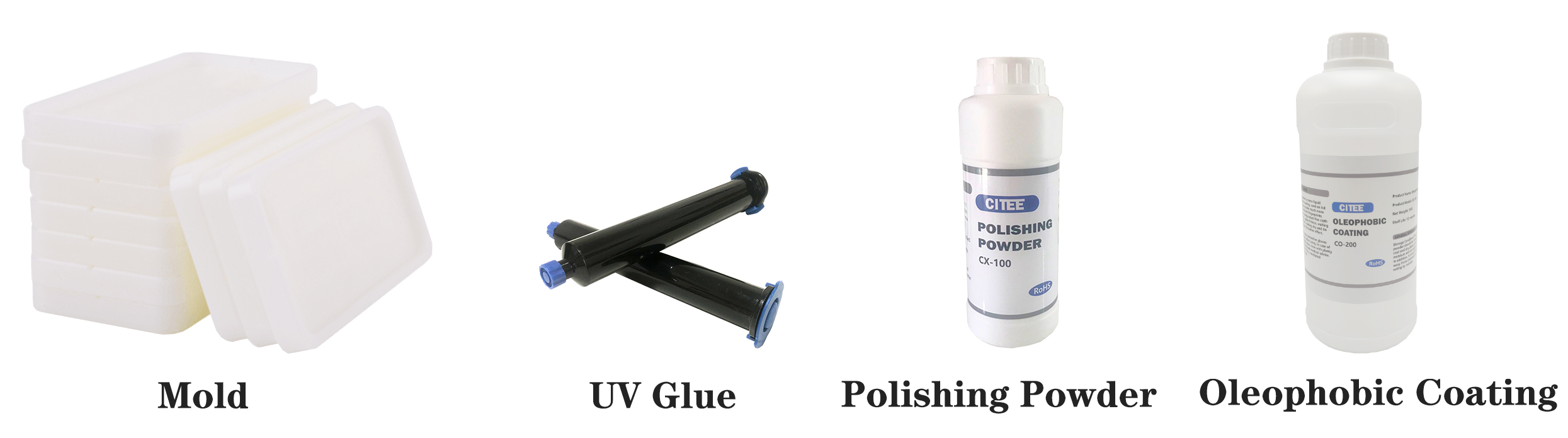
When selecting adhesives for your sealing processes, the chemical formulation matters. High-quality formulations like our UV waterproof sealing glue 30ml/50ml are engineered for consistent viscosity and predictable curing times, which inherently reduces the risk of nozzle clogging compared to lower-grade alternatives.
To fully understand how your consumable choices impact your overall profitability, we recommend reviewing our screen polishing machine guide for Polishing Consumables & Operating Cost. This resource breaks down the unit economics of refurbishment, helping you calculate the exact ROI of upgrading your maintenance protocols and consumable grades.
Selection Checklist for Dispenser Line Optimization
Use the following checklist to audit your current glue dispenser nozzle clog troubleshooting maintenance protocols and identify areas for unit cost reduction.
| Maintenance Task | Frequency | Impact on ROI & Scrap Rate |
|---|---|---|
| Manual needle wipe & visual inspection | Every 2 hours | Prevents minor buildup; reduces mid-shift downtime. |
| Solvent purge & pressure check | End of shift | Clears internal lines; extends valve seat lifespan by 30%. |
| Ultrasonic needle cleaning | Weekly | Restores flow accuracy; directly reduces adhesive waste and scrap. |
| Valve seat disassembly & deep clean | Monthly | Prevents catastrophic valve failure; protects capital equipment investment. |
| Environmental & viscosity audit | Quarterly | Optimizes facility climate control; ensures consistent adhesive performance. |

Conclusion
Implementing a rigorous glue dispenser nozzle clog troubleshooting maintenance protocol is not just about keeping machines running; it is about safeguarding your profit margins. In the competitive B2B refurbishment sector, minimizing scrap rates and maximizing throughput capacity are the primary drivers of success. By standardizing your cleaning procedures, controlling your factory environment, and utilizing high-grade adhesives, you can achieve significant unit cost reduction.
To discuss how CITEE Industrial can support your refurbishment line with optimized equipment and consumables, please contact our B2B sales team. When reaching out, please provide your company name, monthly refurbishment volume, target quantity, and whether you need matching consumables. Our engineers will then prepare a formal PI tailored to your specific throughput requirements.
For high-volume refurbishment lines, preventive maintenance should be conducted at the end of every shift, while deep cleaning and nozzle replacement should follow the manufacturer’s hour-based metrics, typically every 200-300 operational hours.
No. Solvent compatibility depends on the adhesive chemistry. Using the wrong solvent can degrade the internal seals of your automatic 3-axis glue dispenser. Always refer to the technical data sheet of your specific UV waterproof sealing glue.
Yes. If the nozzle clogs during the sealing phase, it leads to uneven adhesive distribution. While our polishing process only fixes light surface scratches and cannot repair shattered screens, proper glue application is vital to ensure the device remains dust and moisture-resistant after refurbishment.
Implementing strict daily purging routines and using high-quality, consistent-viscosity adhesives significantly extends the lifespan of needles and valves. This reduces the frequency of replacement part orders and minimizes adhesive waste, directly improving unit economics.