
Understanding Screen Polishing Machine Power Consumption Operating Cost for Refurbishment ROI
For B2B refurbishment facilities and large-scale repair shops, evaluating the screen polishing machine power consumption operating cost is critical for maximizing return on investment. When processing high volumes of used smartphones, every kilowatt-hour and operational expense directly impacts your bottom line. While polishing effectively removes light surface scratches from glass screens, it cannot fix deep cracks or shattered glass. Understanding how energy usage translates into overall operating expenses allows factory owners to scale throughput capacity while maintaining strict unit cost reduction targets.
How Screen Polishing Machine Power Consumption Operating Cost Impacts Refurbishment ROI
In the competitive used electronics market, profit margins are dictated by scrap rates and throughput capacity. When evaluating the screen polishing machine power consumption operating cost, facility managers must look beyond the basic electrical draw of the motor. A comprehensive analysis includes the energy required for integrated vacuum systems, pneumatic compressors, and ambient workshop climate control.
For instance, the CPM-004/008 screen polishing machine features a built-in compressor. While this increases the immediate power draw per cycle, it eliminates the need for a separate, high-draw external air compressor, thereby optimizing the total facility energy footprint. By consolidating power requirements, large shops and factories can achieve a more predictable and manageable operating cost profile.
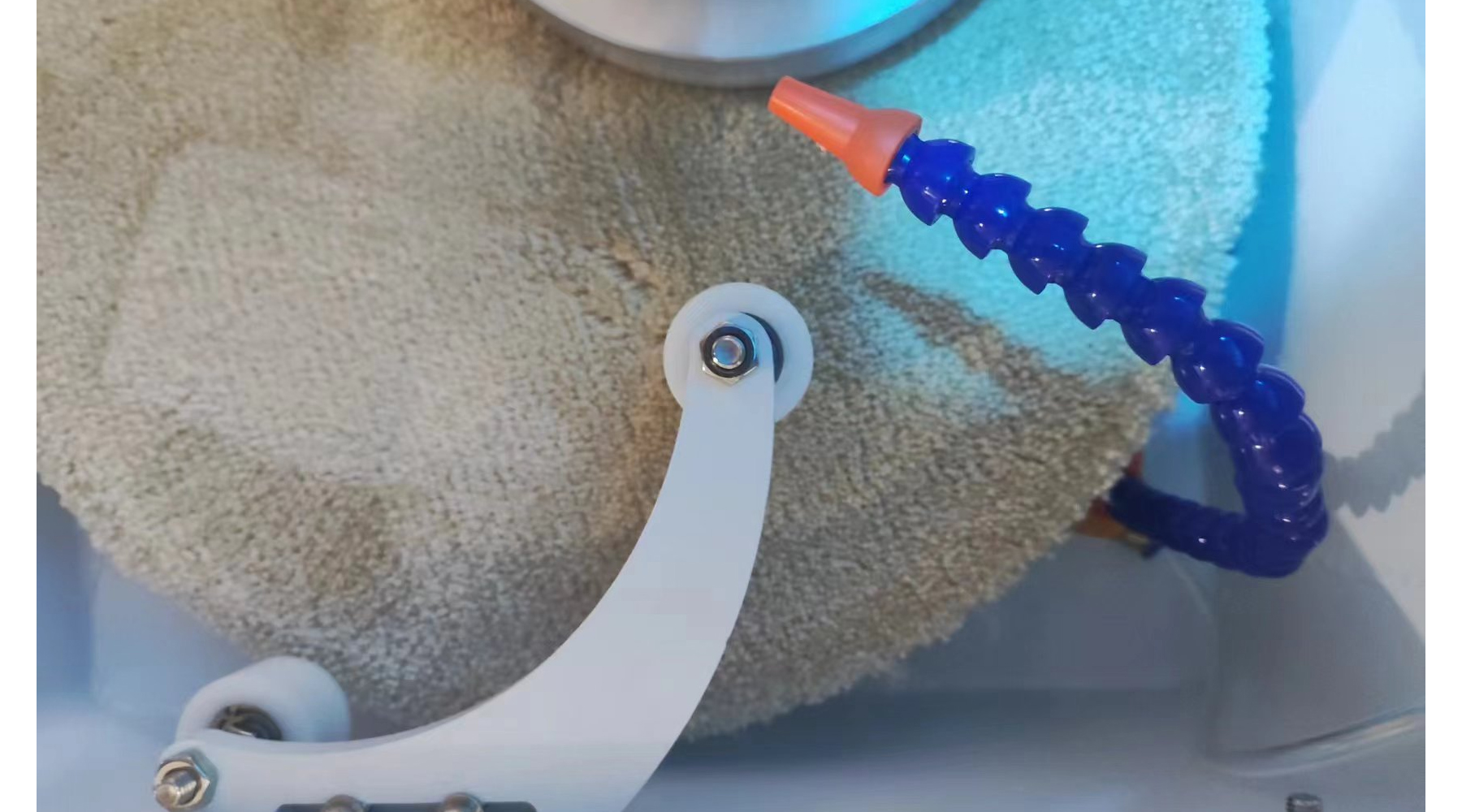
It is imperative to reiterate that this technology is strictly limited to cosmetic enhancement. Polishing can only remediate light surface scratches on glass screens. It cannot fix deep cracks, deeply fractured glass, or shattered screens. Devices with structural glass damage must be routed to screen replacement lines, as attempting to polish compromised glass will lead to catastrophic failure and increased scrap rates. Proper triage at the intake stage is the most effective way to protect your operating margins.
Evaluating Station Capacity vs. Energy Efficiency
To truly minimize the per-unit screen polishing machine power consumption operating cost, factories must maximize throughput capacity. A machine sitting idle consumes zero energy but generates zero revenue; however, running a low-capacity machine at peak hours costs more per unit than running a high-capacity machine efficiently.
For dedicated refurbishment factories processing massive daily volumes, the CPM-016 16-station machine is the industry standard. By processing 16 devices simultaneously, the fixed power consumption is distributed across a larger number of units, drastically lowering the energy cost per screen. This economies-of-scale approach is essential for wholesalers looking to reduce unit costs and improve overall refurbishment ROI.
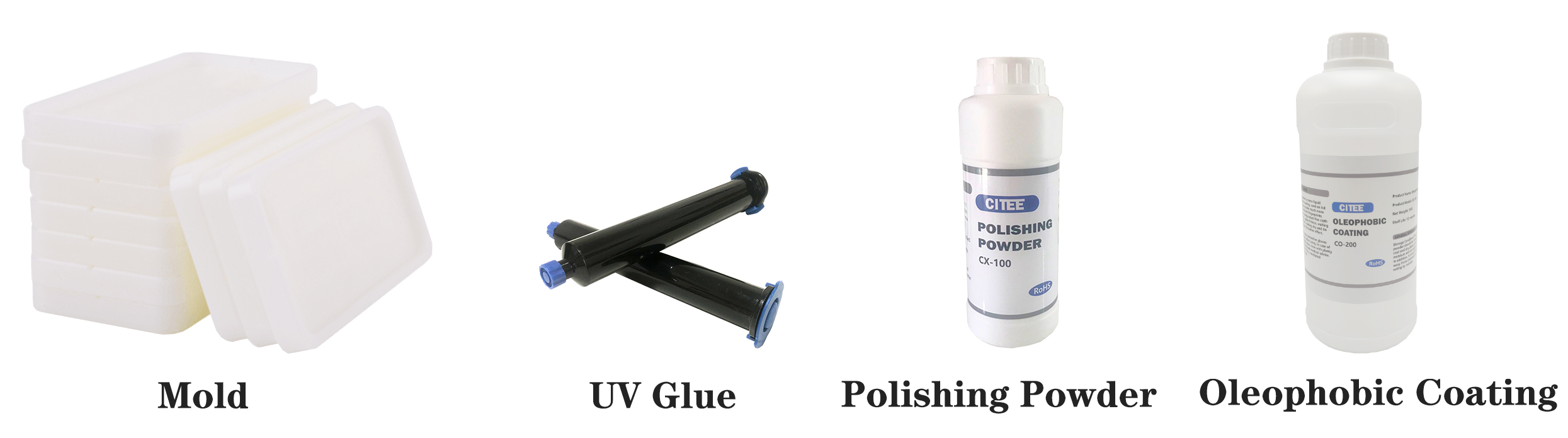
When calculating the total screen polishing machine power consumption operating cost, consumables repurchase cost must be factored into the equation. The physical polishing process requires specialized compounds, polishing pads, and cleaning solutions. High-quality consumables may have a higher upfront unit price, but they yield a superior finish, require less machine time per device, and extend the lifespan of the machine’s internal components. Conversely, cheap consumables often lead to higher rejection rates, increased machine wear, and greater energy consumption per successfully polished unit. Optimizing your consumables supply chain is just as critical as managing your electrical overhead.
Selection Checklist for Optimizing Operating Expenses
For a complete guide on selecting the right equipment for your facility’s specific throughput requirements, refer to our Screen Polishing Machines Buying Guide.
| Optimization Factor | Strategic Action | Impact on Operating Cost |
|---|---|---|
| Machine Station Count | Upgrade to 16-station models for high-volume factories. | Lowers per-unit power draw via economies of scale. |
| Compressor Integration | Utilize machines with built-in compressors to avoid external air line losses. | Reduces total facility electrical and maintenance overhead. |
| Consumables Quality | Standardize high-yield polishing compounds and durable pads. | Decreases machine run-time per unit and reduces scrap rates. |
| Intake Triage | Strictly filter out cracked or shattered screens before polishing. | Prevents machine damage and eliminates wasted energy cycles. |
Conclusion: Maximizing Throughput and Minimizing Overhead
Ultimately, managing your screen polishing machine power consumption operating cost is just one piece of the profitability puzzle. By combining high-capacity equipment, premium consumables, and strict intake triage protocols, B2B refurbishment facilities can significantly reduce their scrap rates and maximize throughput. Every optimization in your energy and material usage directly translates to a lower unit cost, ensuring your factory remains highly competitive in the global used electronics market.
To receive a formal Proforma Invoice (PI) tailored to your facility’s exact requirements, please contact our B2B sales team. When requesting a quote, ensure you provide your company name, monthly refurbishment volume, target quantity, and whether you need matching consumables. Our engineering team will analyze your throughput needs and provide a customized equipment package to optimize your operational efficiency.
No. Screen polishing technology is strictly designed to remove light surface scratches from glass screens. It cannot fix deep cracks, deeply fractured glass, or shattered screens. Devices with structural damage must be routed to screen replacement lines to avoid catastrophic failure and increased scrap rates.
Higher station counts, such as the 16-station CPM-016, have a higher absolute power draw but significantly lower the per-unit energy cost. By processing more devices simultaneously, the fixed power consumption is distributed across a larger throughput, optimizing the overall operating cost for high-volume factories.
Consumables repurchase cost is a major factor. High-quality polishing compounds and pads yield a better finish in less time, reducing machine run-time and energy use per device. Cheap consumables often increase rejection rates and machine wear, ultimately driving up the total cost per successfully polished unit.
To receive a formal Proforma Invoice (PI), B2B buyers must provide their company name, monthly refurbishment volume, target quantity, and whether they need matching consumables. This allows the engineering team to recommend the optimal station count and consumables package for your specific throughput needs.