
Navigating Lead Time, MOQ, and Payment for Imported Polishing Machines
When scaling a commercial screen refurbishment operation, procurement strategy is just as critical as technical capability. Factory owners and used phone wholesalers must carefully evaluate the lead time, MOQ, and payment for imported polishing machines to protect cash flow and maintain throughput capacity. Understanding these commercial variables ensures that your investment in surface scratch removal directly translates to a measurable reduction in unit costs and scrap rates.
The Commercial Realities of Imported Polishing Machines
Investing in industrial-grade screen refurbishment equipment is a significant capital expenditure. Unlike consumer-grade tools, commercial polishing systems are engineered for high-volume environments where uptime, precision, and consistency are non-negotiable. When sourcing equipment from international manufacturers, the procurement process extends far beyond the base machine price.
Factory managers must account for shipping logistics, customs clearance, and the integration of the machinery into existing production lines. This is why evaluating the lead time, MOQ, and payment for imported polishing machines is a foundational step in financial planning. A machine that arrives three months late due to poor lead time management can bottleneck your entire refurbishment pipeline, directly impacting your ability to fulfill wholesale contracts.
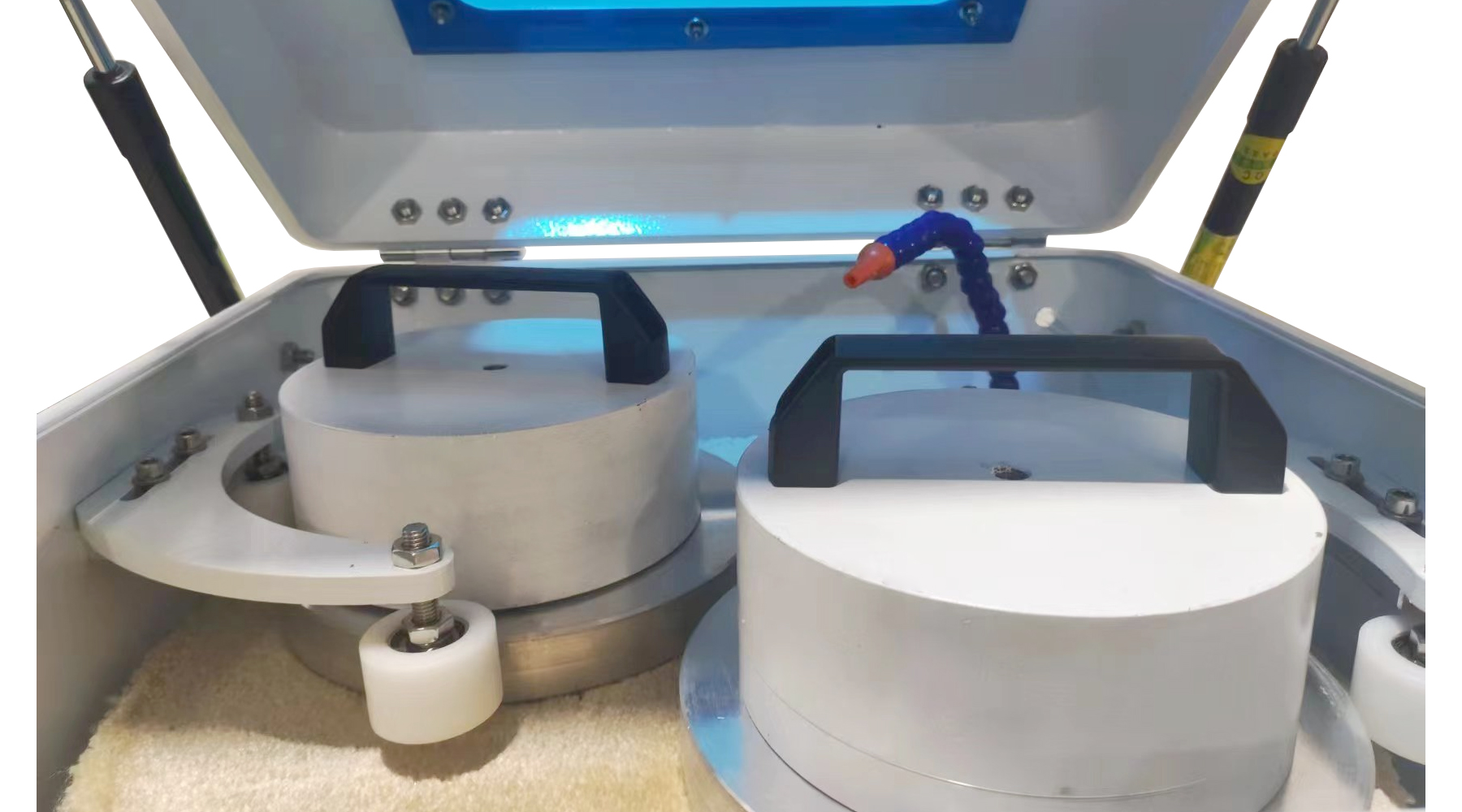
Evaluating Lead Time, MOQ, and Payment for Imported Polishing Machines
To optimize your capital allocation, you must break down the purchasing process into its core commercial components.
Lead Time and Production Scheduling
Lead time encompasses manufacturing, quality assurance, and international shipping. For high-throughput factories, aligning equipment delivery with projected inventory batches is crucial. Delays in lead time can force factories to rely on manual labor or outsource refurbishment, both of which inflate unit costs and increase the scrap rate.
Minimum Order Quantity (MOQ) Considerations
While single-unit purchases are common for specialized industrial machinery, some manufacturers bundle equipment with mandatory consumable packages. Understanding the MOQ for both the machinery and the associated polishing compounds, pads, and protective films is essential. Purchasing consumables in bulk to meet an MOQ can lower your consumables repurchase cost over time, but it also ties up working capital.
Payment Terms and Cash Flow
Standard international trade often requires a deposit upon order confirmation, with the balance due before shipment or via a Letter of Credit. Negotiating favorable payment terms can ease cash flow constraints, allowing you to allocate funds toward marketing, facility expansion, or additional inventory.
For precise figures tailored to your specific configuration, you must request a formal Proforma Invoice (PI). Fabricated estimates found online are unreliable; only a formal PI based on your exact requirements will provide binding commercial terms.
Maximizing ROI Through Surface Scratch Removal
The primary driver of ROI in screen refurbishment is the conversion of scratched, devalued inventory into premium-grade stock. However, it is critical to set accurate technical expectations.
Polishing CANNOT fix deep cracks or shattered glass — only surface-level scratches.
These machines are engineered exclusively to remove light surface scratches, scuffs, and minor abrasions from intact glass screens. Attempting to polish deeply fractured glass will result in structural failure and a 100% scrap rate. By strictly filtering inventory to only process devices with light surface damage, factories can achieve a high yield of refurbished units, significantly driving down the average unit cost.
For a complete technical breakdown of how these systems operate and how to integrate them into your workflow, refer to our comprehensive screen polishing machine guide.

Selection Checklist for Factory Owners
Use the following checklist to evaluate potential equipment partners and ensure the machinery aligns with your throughput capacity and financial parameters.
| Evaluation Metric | B2B Consideration |
|---|---|
| Throughput Capacity | Units processed per hour. Must align with your monthly refurbishment volume targets. |
| Automation Level | Semi-auto vs. fully auto. Higher automation reduces labor costs and minimizes human error. |
| Consumables Ecosystem | Availability and cost of replacement pads and compounds. Impacts long-term consumables repurchase cost. |
| Commercial Terms | Clarity on lead time, MOQ, and payment structures. Must be formalized in a Proforma Invoice. |
| Technical Limitations | Strictly for light surface scratches. Cannot repair deep cracks or shattered glass. |
Conclusion and Next Steps
Scaling a profitable screen refurbishment business requires a meticulous approach to both technical capabilities and procurement logistics. By thoroughly analyzing the lead time, MOQ, and payment for imported polishing machines, factory owners can secure equipment that enhances throughput capacity and drives down unit costs. Remember that the technology is strictly limited to light surface scratch removal; it cannot fix deep cracks or shattered glass.
To initiate your procurement process and receive accurate commercial terms, please contact our sales team. When reaching out, ensure you provide your company name, monthly refurbishment volume, target quantity, and whether you need matching consumables. This information allows us to generate a formal Proforma Invoice tailored to your specific operational requirements, ensuring you have the exact data needed to make a confident, ROI-driven investment.
No. Polishing CANNOT fix deep cracks or shattered glass. These machines are designed exclusively to remove light surface scratches and restore optical clarity to intact glass screens.
Because lead time, MOQ, and payment terms vary based on machine configuration and destination, you must request a formal Proforma Invoice (PI) by providing your company details and target quantity.
Operation requires specific polishing compounds, pads, and protective films. When requesting your PI, indicate whether you need matching consumables to optimize your consumables repurchase cost and ensure immediate throughput.