
Pneumatic vs Mechanical Screen Polishing Machine Clamping: A B2B Buyer’s Guide
When scaling a mobile device refurbishment operation, selecting the right equipment is critical for maximizing throughput and minimizing scrap rates. A major operational decision involves evaluating pneumatic vs mechanical screen polishing machine clamping mechanisms. This choice directly impacts your unit cost reduction, processing consistency, and overall ROI when repairing light surface scratches on glass screens. It is crucial to note that polishing technology is strictly limited to light surface scratches; it cannot fix deep cracks, shattered glass, or deeply fractured screens.
The Core Differences in Pneumatic vs Mechanical Screen Polishing Machine Clamping
In a high-volume refurbishment facility, the method used to secure the device glass during the polishing phase dictates both the quality of the finish and the safety of the component.
Mechanical Clamping Systems rely on manual adjustment via screws, levers, or physical toggles. The operator must manually tighten the clamp to hold the phone in place. While the initial capital expenditure for mechanical systems may be lower, they introduce significant variables. Human error in tightening can lead to uneven pressure distribution. If the clamp is too loose, the device shifts during the abrasive process, ruining the polish. If it is too tight, the mechanical stress can fracture the glass, instantly turning a refurbishable unit into scrap.
Pneumatic Clamping Systems, conversely, utilize regulated air pressure to secure the device. This automated approach applies a uniform, pre-set force across the entire clamping surface. For factory owners and wholesale repair shops, pneumatic systems eliminate the guesswork and physical variance inherent in manual clamping, ensuring that every device is held with the exact same optimal pressure.
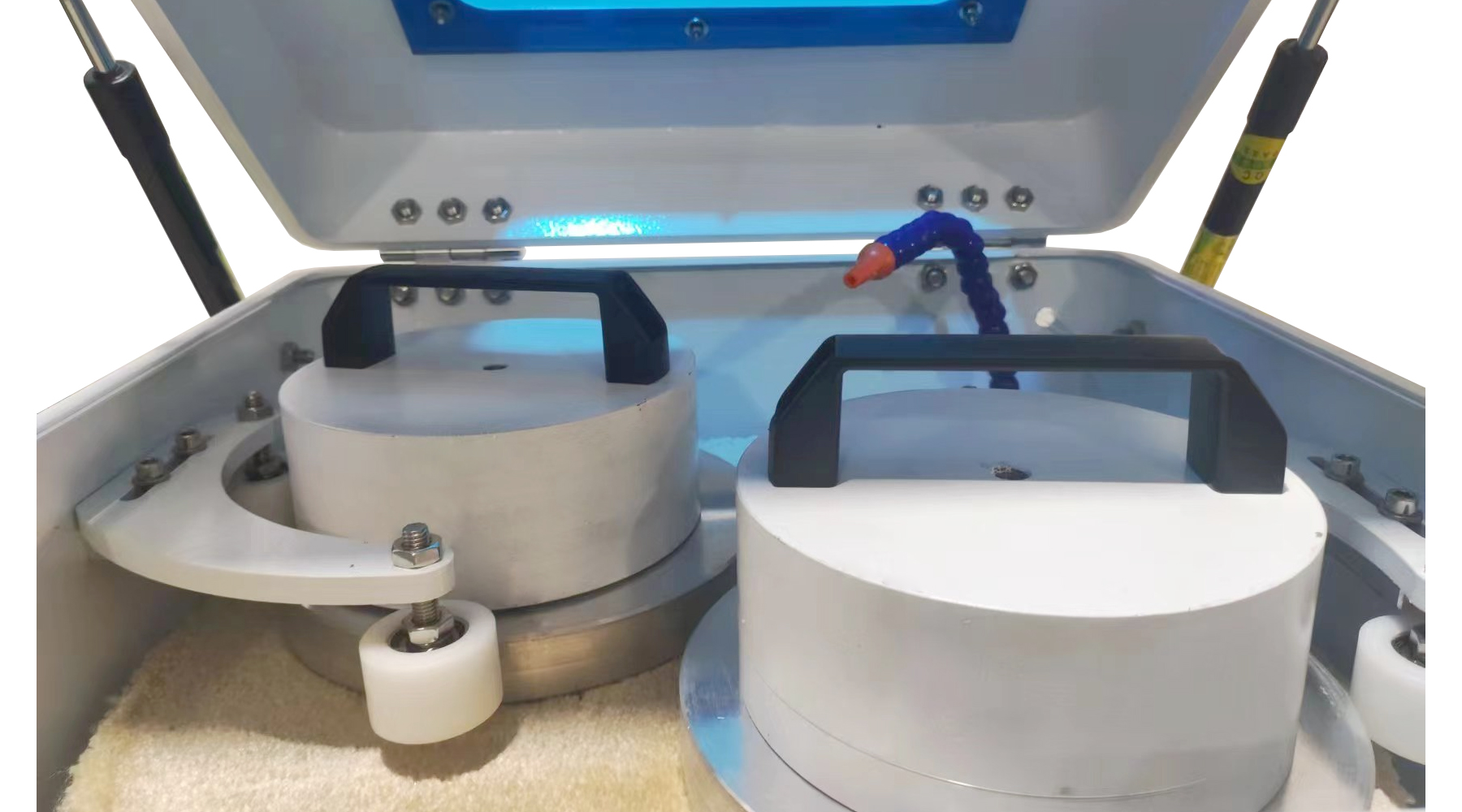
Impact on Throughput Capacity and Scrap Rate
The primary metric for evaluating any refurbishment equipment is its effect on the bottom line, specifically through throughput capacity and scrap rate reduction.
When addressing light surface scratches, the polishing pad must maintain consistent contact with the glass. Mechanical clamps often suffer from micro-vibrations or slight shifts under the lateral force of the polishing head. This inconsistency forces operators to run multiple passes to achieve a clear finish, drastically reducing your hourly throughput.
Pneumatic clamping locks the device rigidly without over-stressing the glass. Because the hold is perfectly uniform, the polishing compound and pad work efficiently on the first pass. This efficiency directly translates to higher daily output. Furthermore, by removing the risk of operator-induced glass breakage from overtightening, pneumatic systems significantly lower your scrap rate. In a facility processing thousands of units monthly, a 2% reduction in scrap rate can translate to tens of thousands of dollars in recovered revenue.
Scaling Your Operation with Multi-Station Systems
For large repair shops and wholesale factories, single-station manual machines are a bottleneck. Scaling requires automated, multi-station equipment that integrates seamlessly into an assembly-line workflow.
If your facility requires high-volume processing, the CPM-004/008 4/8-station screen polishing machine is engineered specifically for this tier of operation. Featuring 4 or 8 independent workstations and a built-in air compressor, this system delivers consistent pneumatic clamping across all stations simultaneously. The integrated compressor eliminates the need for complex external airline routing in your factory, ensuring that every station maintains the exact PSI required for secure, scratch-free clamping during the surface repair process.

Evaluating Total Cost of Ownership and Consumables
When calculating the ROI of your polishing line, you must look beyond the initial machine cost and evaluate the consumables repurchase cost. The clamping mechanism indirectly affects consumable wear. Uneven mechanical clamping causes the polishing pad to wear unevenly, requiring more frequent replacements and increasing the consumption of polishing compounds.
Pneumatic systems ensure the pad meets the glass at a perfectly parallel angle, maximizing the lifespan of your polishing pads and fluids. For a complete breakdown of operational requirements and machine specifications, refer to our comprehensive Screen Polishing Machines Buying Guide.
Selection Checklist for Factory Owners
Use the following optimization checklist to determine which clamping architecture aligns with your facility’s operational goals:
| Operational Metric | Mechanical Clamping | Pneumatic Clamping |
|---|---|---|
| Throughput Speed | Moderate (Manual adjustment time) | High (Instant, automated locking) |
| Scrap Rate Risk | Higher (Risk of overtightening) | Lower (Uniform, calibrated pressure) |
| Operator Skill Required | High (Requires trained feel) | Low (Standardized operation) |
| Consumable Wear | Uneven pad wear | Even, optimized pad wear |
| Best Suited For | Low-volume, niche repair shops | High-volume factories & wholesalers |
Conclusion
The decision between pneumatic vs mechanical screen polishing machine clamping is not just about hardware; it is a strategic choice that dictates your facility’s efficiency, labor costs, and profitability. While mechanical systems may suffice for low-volume operations, high-throughput factories must adopt pneumatic clamping to minimize scrap, maximize consumable lifespan, and ensure uniform repair of light surface scratches. Remember, polishing is strictly for surface-level scratch remediation and cannot repair deep fractures or shattered screens.
To request a formal Proforma Invoice (PI) and discuss how our equipment can optimize your production line, please contact our B2B sales team. Be sure to provide your company name, monthly refurbishment volume, target quantity for the equipment, and whether you need matching consumables included in the quote.
No. Screen polishing machines are strictly designed to remediate light surface scratches on glass screens. They cannot fix deep cracks, shattered glass, or deeply fractured screens. Attempting to polish deep structural damage will not yield a functional or safe result.
Pneumatic clamping uses regulated air pressure to apply uniform force across the device. This eliminates human error, prevents glass breakage from overtightening, and ensures consistent polishing contact. As a result, it significantly lowers the scrap rate and increases hourly throughput compared to manual mechanical clamps.
Because pricing, lead times, and configurations vary based on your specific operational scale, we do not publish standard retail prices. Please contact our B2B sales team to request a formal Proforma Invoice (PI) tailored to your factory’s requirements.
To receive an accurate formal PI, you must provide your company name, your monthly refurbishment volume, your target quantity for the machinery, and specify whether you need matching consumables (such as polishing pads and compounds) included in the order.