
The Complete AR Coating Application Curing After Polishing Guide for Refurbishment
For B2B glass refurbishment facilities, maximizing throughput and minimizing scrap rates are critical to profitability. This ar coating application curing after polishing guide outlines the precise thermal and environmental parameters required to restore light surface scratches while applying durable anti-fingerprint layers. By optimizing your post-polish curing protocols, factory owners can significantly reduce unit costs and ensure consistent yield on every batch of used smartphone screens.
Understanding the ar coating application curing after polishing guide
In high-volume refurbishment operations, the polishing stage is only half the battle. Once light surface scratches are removed, the glass substrate must be immediately protected and enhanced. The curing process is what cross-links the fluoropolymer molecules in the coating, transforming a liquid application into a solid, durable shield. If your facility is experiencing high failure rates during the final quality assurance (QA) wipe tests, the issue likely lies in your thermal curing parameters rather than the polishing compound itself.
It is critical to note that polishing CANNOT fix deep cracks or shattered glass — only surface-level scratches. Attempting to polish structurally compromised glass will only increase your scrap rate and damage your polishing pads. Therefore, this ar coating application curing after polishing guide strictly applies to glass that has been successfully leveled and cleared of light surface abrasions.
Surface Preparation and Coating Application
Before introducing any thermal elements, the glass must be entirely free of polishing residue, slurry, and microscopic dust. Any contamination trapped beneath the coating will result in immediate QA rejection, directly impacting your ROI.
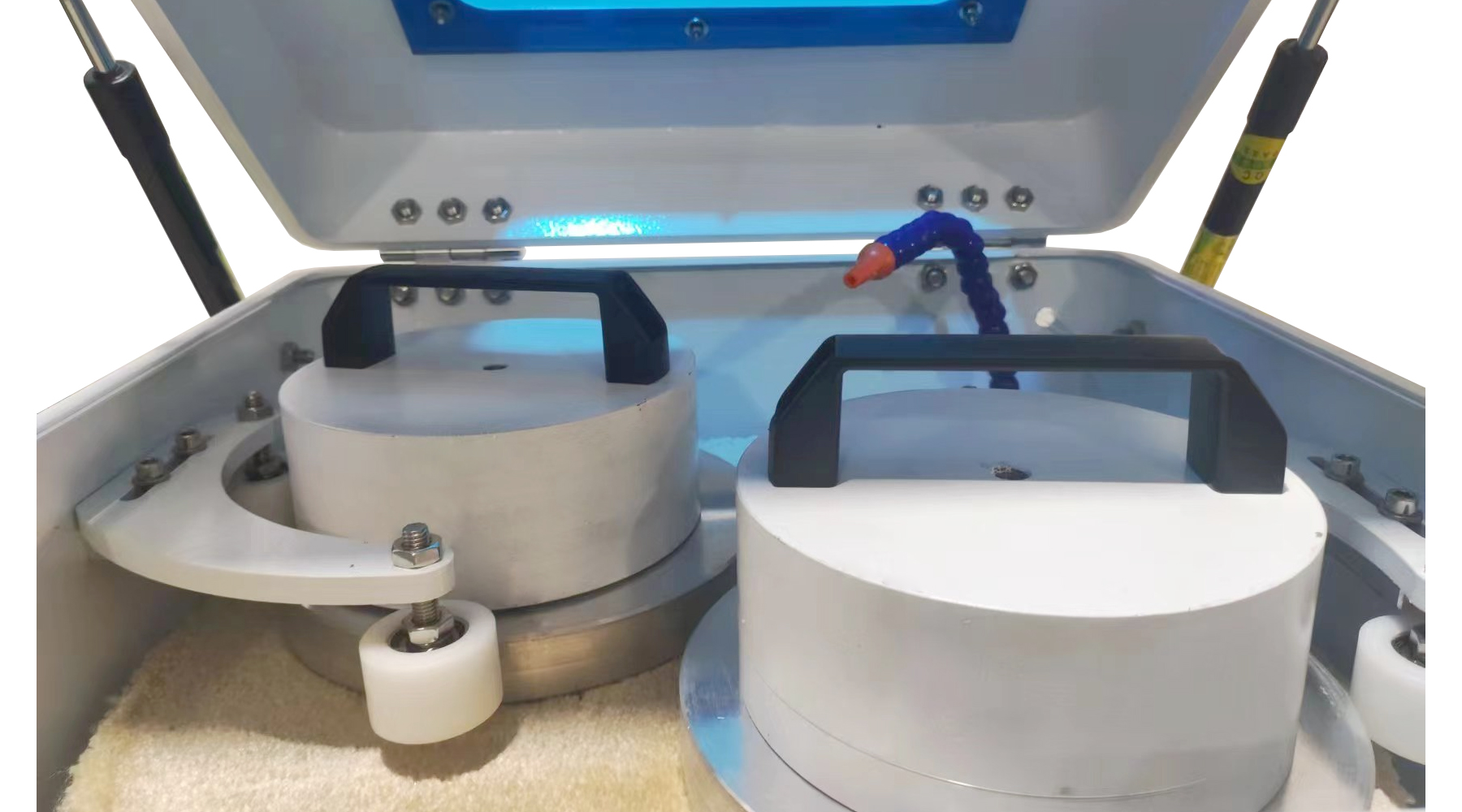
Once the glass is cleaned and dried in a controlled environment, operators apply the AR oleophobic anti-fingerprint coating liquid. Uniform application is vital. Automated spray systems or precision dispensing machines are recommended over manual wiping to ensure consistent micrometer thickness across the batch. Inconsistent thickness leads to uneven curing, where thinner areas may burn off and thicker areas may remain tacky, both of which increase your consumables repurchase cost due to rework.
Thermal Curing Parameters for Maximum Yield
The core of the ar coating application curing after polishing guide revolves around precise temperature control. Curing is not merely about applying heat; it is about managing the thermal ramp-up and cooldown phases to prevent stress on the glass.
- Pre-Heating Phase: Gradually bring the oven or curing chamber to the target temperature. A rapid temperature spike can cause the solvents in the coating to boil, creating micro-bubbles that ruin the optical clarity.
- Dwell Time: Maintain the target temperature uniformly. Temperature variations of even a few degrees across the curing tray can result in partial curing. This is why calibrated, multi-zone curing ovens are essential for maintaining a low scrap rate.
- Cooling Phase: Allow the glass to cool slowly to room temperature inside the chamber. Removing hot glass into a cooler environment can cause thermal shock, potentially micro-fracturing the edges of the refurbished screen.
Optimizing these parameters increases your throughput capacity, as properly calibrated cycles reduce the need for secondary re-curing or complete stripping and re-application.
Selection Checklist for Consumables Repurchase
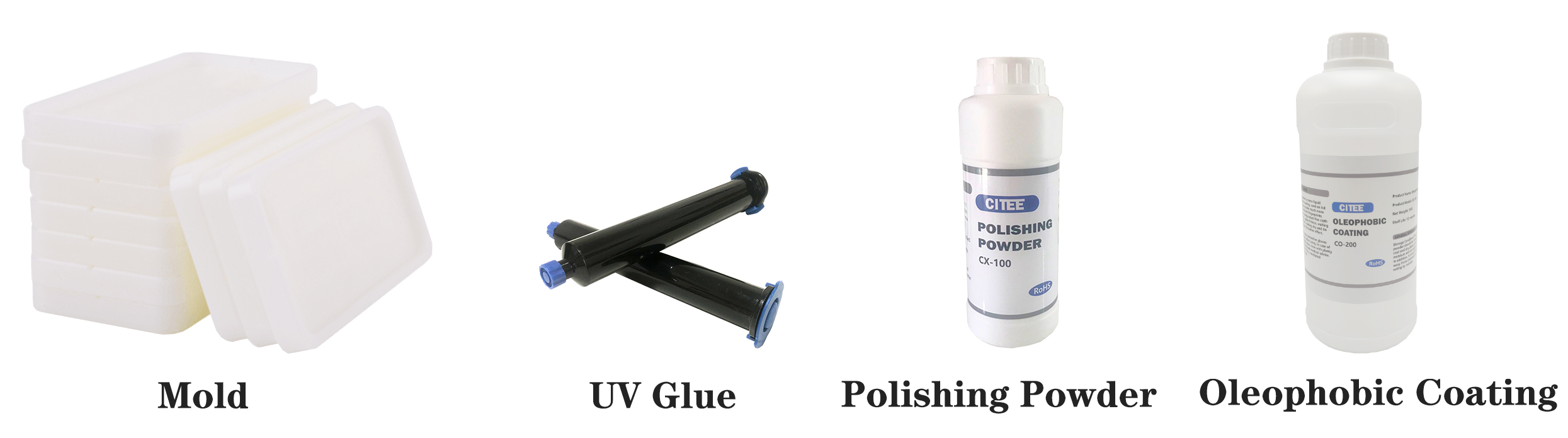
Managing your supply chain efficiently is just as important as the physical refurbishment process. To ensure you never experience downtime due to depleted stock, use the following checklist to evaluate your consumables repurchase strategy.
| Consumable Category | Evaluation Metric | Repurchase Trigger |
|---|---|---|
| AR Coating Liquid | Volume per unit (microliters) | When stock covers less than 15 days of projected throughput |
| Polishing Slurry | Grams per square meter | When inventory drops below 20% of monthly average usage |
| Polishing Pads | Cycles per pad before replacement | When QA scratch-removal pass rate drops below 98% |
| Cleaning Solvents | Liters per batch | When stock covers less than 10 days of cleaning cycles |
For a complete breakdown of how these variables impact your bottom line, review our comprehensive Polishing Consumables & Operating Cost analysis. Understanding the lifecycle of your consumables allows you to negotiate better bulk terms and stabilize your unit cost reduction goals.
Conclusion
Mastering the post-polishing phase is what separates a highly profitable refurbishment factory from one that struggles with margin erosion. By strictly following this ar coating application curing after polishing guide, your facility can maximize the durability of the oleophobic layer, ensure optical clarity, and maintain a high throughput capacity. Remember, precise thermal management reduces your scrap rate, while strategic inventory management keeps your consumables repurchase costs predictable.
To optimize your refurbishment line and request a formal PI, please contact our B2B sales team. Be sure to provide your company name, monthly refurbishment volume, target quantity, and whether you need matching consumables. Our engineers will calculate your exact unit cost reduction and supply chain requirements to support your factory’s growth.
No. Polishing can only restore light surface scratches. It cannot fix deep cracks, shattered glass, or structural damage. Attempting to polish deep fractures will compromise the glass integrity and increase your scrap rate.
Under-curing leads to poor oleophobic durability and high failure rates during QA wipe tests, increasing the scrap rate. Over-curing can cause thermal stress or solvent boiling. Precise temperature control is essential for maximizing yield and ROI.
Repurchase frequency depends on your monthly refurbishment volume and the coating thickness applied per unit. We recommend calculating your unit consumption rate and ordering in bulk to reduce per-unit logistics costs and ensure uninterrupted throughput.
Inconsistent thickness leads to uneven curing. Thinner areas may burn off during the thermal cycle, while thicker areas may remain tacky. Both scenarios result in QA rejection, requiring the glass to be stripped and reprocessed, which wastes time and consumables.