
Can Polishing Remove Deep Scratches What It Cannot Fix: B2B Refurbishment Guide
In high-volume mobile refurbishment, maximizing yield and minimizing scrap rates are critical to profitability. Many factory owners and wholesale operators ask: can polishing remove deep scratches what it cannot fix? Understanding the exact physical and operational limitations of glass polishing technology is essential for optimizing your unit cost and throughput capacity. While industrial polishing excels at restoring light surface abrasions, it has strict boundaries. This guide clarifies what professional screen refurbishment can and cannot achieve, ensuring your production line maintains realistic expectations and avoids processing unsalvageable inventory.
The Core Question: Can Polishing Remove Deep Scratches What It Cannot Fix?
To optimize your refurbishment line, you must understand the physics of material removal. Glass polishing works by abrading the surface layer of the glass to level it with the bottom of the scratch. For light, hairline surface scratches caused by normal wear, keys, or coin contact, this process is highly effective. It restores optical clarity and touch sensitivity without replacing the entire LCD assembly.
However, when evaluating if polishing can fix deep damage, the answer is strictly no. Polishing CANNOT fix deep cracks, shattered glass, or structural fractures. If a scratch is deep enough to catch a fingernail significantly, or if the glass has sustained impact damage, attempting to polish it will require removing too much glass. This leads to optical distortion, compromised structural integrity, and altered touch digitizer calibration. Therefore, deep structural damage requires complete glass and OCA replacement, not polishing.
The Economics of Triage: Surface Scratches vs. Structural Damage
Mis-triaging incoming inventory is a major profit leak in used phone wholesale and refurbishment. If operators spend time polishing deeply fractured screens, they waste labor hours, consumables, and machine throughput capacity. Conversely, if they replace the glass on units that only have light surface scratches, they incur unnecessary material costs for the new glass and OCA optically clear adhesive.
By strictly limiting polishing to light surface-level scratches, factories can drastically reduce their unit cost. For a complete breakdown of how to calculate these savings, refer to our refurbishment ROI and process guide. Proper triage ensures that your polishing line operates at maximum efficiency, turning low-grade inventory into premium-grade units with minimal consumables repurchase cost.
Why Over-Polishing Ruins Yield and Increases Costs
Some operators attempt to polish deep scratches by extending the machine cycle time or applying excessive downward pressure. This is a critical error in B2B refurbishment. Over-polishing removes too much glass thickness, which can cause the screen to become uneven. This unevenness leads to optical distortion—making the display look wavy or warped—and can cause the touch digitizer to fail or register ghost touches.
Furthermore, excessive pressure increases the wear rate on your polishing pads, driving up your consumables repurchase cost. The goal is not to force the machine to fix unfixable damage, but to efficiently restore viable units. Recognizing the physical limits of the process protects your equipment and preserves your profit margins.
Managing Consumables and Throughput Capacity
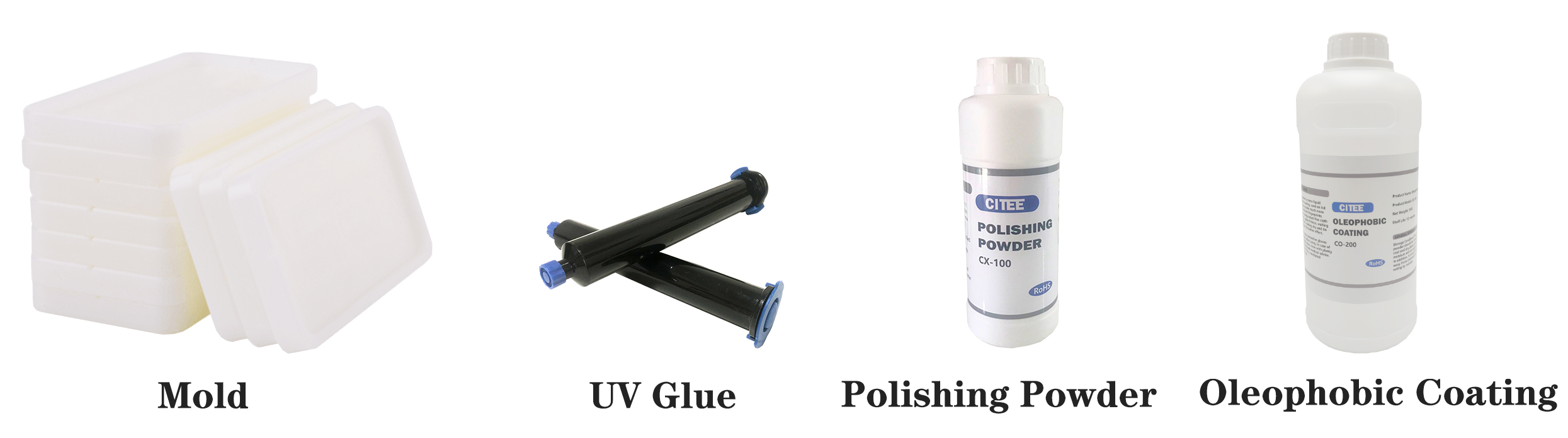
Industrial screen polishing is not a one-time equipment purchase; it is an ongoing operational process that requires consistent consumables. The primary consumables include cerium oxide polishing slurry, specialized polyurethane or felt polishing pads, and protective masking films.
When calculating your operational costs, you must factor in the consumables repurchase cost. High-volume factories will go through slurry and pads rapidly. CITEE Industrial designs its machines to optimize consumables usage, ensuring that your cost-per-unit remains low while maintaining high throughput capacity. Standardizing your consumables supply chain prevents bottlenecks and keeps your refurbishment line running continuously.

Screen Triage Selection Checklist
To help your floor managers make rapid, accurate decisions, implement this triage checklist before any unit enters the polishing stage.
| Damage Type | Visual/Tactile Test | Recommended Action |
|---|---|---|
| Light Surface Scratches | Invisible under normal light; barely felt with a fingernail. | Route to polishing line. High ROI. |
| Deep Scratches / Gouges | Visible under all angles; catches a fingernail deeply. | Requires full glass/OCA replacement. Do not polish. |
| Cracks / Shattered Glass | Visible fracture lines, spiderwebbing, or missing glass shards. | Requires full glass/OCA replacement. Polishing cannot fix this. |
| LCD Bleeding / Dead Pixels | Display anomalies unrelated to the outer glass surface. | Requires full LCD assembly replacement. |
Conclusion
Maximizing yield in the used electronics market requires a clear understanding of your equipment’s capabilities. When leadership asks can polishing remove deep scratches what it cannot fix, the definitive answer is that it only resolves light surface abrasions. Deep cracks, fractures, and shattered glass remain beyond the scope of polishing and require full component replacement. By enforcing strict triage protocols and optimizing your consumables supply, your factory can significantly lower unit costs and increase throughput.
Optimize Your Refurbishment Line Today
Ready to optimize your refurbishment line and reduce your scrap rate? To receive a formal Proforma Invoice (PI) and detailed equipment specifications, please contact our B2B sales team. When reaching out, please provide your company name, monthly refurbishment volume, target quantity for equipment, and whether you need matching consumables included in your initial order. Our engineering team will tailor a solution that aligns with your specific throughput requirements and unit cost targets.
No. Polishing cannot fix deep cracks, shattered glass, or structural fractures. It is strictly designed for light surface-level scratches. Attempting to polish deep damage will ruin the optical clarity and structural integrity of the screen.
Professional polishing removes only microns of glass. When done correctly on light surface scratches, it restores optical clarity without distorting the display. Over-polishing deep damage, however, causes severe optical distortion and is not recommended.
High-volume factories require a steady supply of cerium oxide slurry, specialized polishing pads, and protective masking films. These consumables have a recurring repurchase cost that must be factored into your unit economics and ROI calculations.
Replacing glass on units that only need polishing incurs unnecessary material costs for the new glass and OCA adhesive. By routing light scratches to the polishing line, factories drastically reduce unit costs and maximize their refurbishment ROI.