
Evaluating screen polishing machine supplier qualification documents B2B
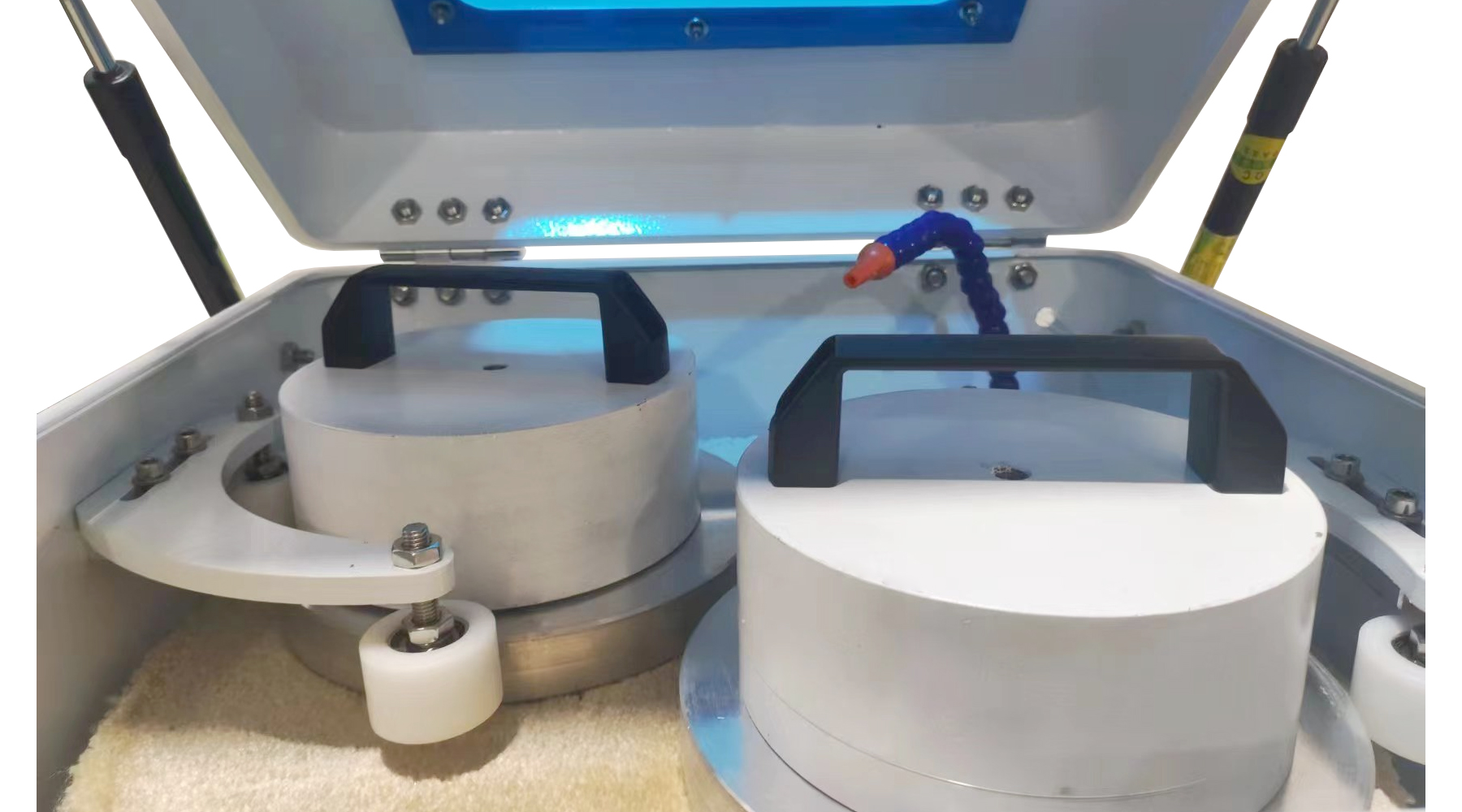
When scaling a mobile phone refurbishment operation, verifying the credibility of your equipment partner is just as critical as the machinery itself. Reviewing the right screen polishing machine supplier qualification documents B2B ensures your factory minimizes scrap rates and maximizes throughput. For wholesale buyers, repair shop owners, and used phone wholesalers, understanding these credentials separates reliable industrial partners from inadequate vendors. It is vital to remember that professional polishing equipment is engineered exclusively to restore light surface scratches on glass screens. It cannot fix cracked, deeply fractured, or shattered glass—only surface-level imperfections can be resolved through this process.
Why screen polishing machine supplier qualification documents B2B Matter for Refurbishment ROI
In the high-volume mobile refurbishment industry, profit margins are dictated by unit cost reduction and throughput capacity. Purchasing equipment from an unverified supplier can lead to catastrophic operational bottlenecks. Machines with poor calibration or substandard build quality will result in uneven polishing, excessive consumable waste, and ultimately, a higher scrap rate.
By demanding and thoroughly reviewing the appropriate qualification documentation, factory owners ensure that the equipment meets industrial standards. This due process guarantees that the machinery can handle continuous daily operation without degrading performance. Furthermore, verified suppliers provide transparent data on machine capabilities, allowing you to accurately forecast your return on investment (ROI) and plan your production schedules with confidence.
Key Qualification Documents to Request from Your Supplier
To protect your refurbishment line, you must request specific documentation before committing to a purchase. These documents serve as proof of the supplier’s operational maturity and technical capability.
1. Corporate and Factory Audit Reports
You need to verify that you are dealing with a legitimate manufacturing entity rather than a transient trading company. Factory audit reports confirm the supplier’s production capacity, quality control processes, and physical infrastructure. This ensures they can support your long-term throughput capacity requirements.
2. Equipment Calibration and Testing Records
Polishing requires precise control over pressure, speed, and temperature. Calibration records prove that the machines have been tested to apply uniform force across the screen. This is critical for removing light surface scratches without compromising the underlying LCD or OLED display.
3. Consumable Material Safety and Specification Sheets
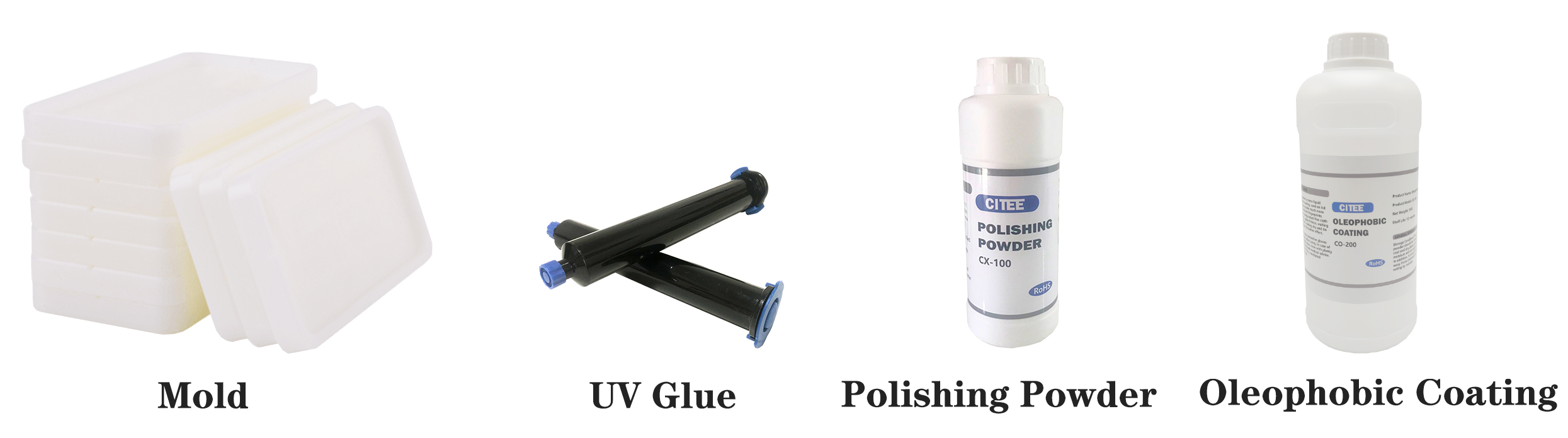
The polishing process relies on specific compounds, films, and pads. Requesting detailed specification sheets for these materials allows your engineering team to evaluate their abrasiveness and longevity. This transparency is essential for calculating the ongoing consumables repurchase cost and ensuring compatibility with your target device models.
Selection Checklist for B2B Screen Polishing Equipment
Selecting the right equipment requires a systematic evaluation of both the machinery and the supplier’s credentials. For a complete overview of machine capabilities and operational requirements, refer to our comprehensive screen polishing machine guide.
| Evaluation Criteria | Required Documentation / Verification | B2B Impact |
|---|---|---|
| Supplier Legitimacy | Factory Audit Reports, Business Licenses | Ensures reliable supply chain and after-sales support |
| Machine Precision | Calibration Records, Tolerance Specifications | Minimizes scrap rate by preventing LCD damage |
| Consumable Efficiency | Material Safety Data Sheets (MSDS), Yield Data | Optimizes consumables repurchase cost and unit economics |
| Damage Limitations | Technical Manuals, Operational Guidelines | Clarifies that only light surface scratches can be fixed |
Maximizing Throughput and Managing Consumables Repurchase Cost
A qualified screen polishing machine is an investment in operational efficiency. When a machine is properly calibrated and built to industrial specifications, it optimizes the usage of polishing films and compounds. Unverified machines often apply uneven pressure, causing consumables to wear out prematurely. This directly inflates the consumables repurchase cost, eroding the profit margin of every refurbished device.
By partnering with a supplier who provides full transparency regarding consumable lifecycle and machine maintenance, you can accurately project your operational expenses. This level of detail is crucial for used phone wholesalers and large repair shops looking to scale their operations while maintaining strict control over unit cost reduction.
Finalizing Your Procurement Strategy
Procuring industrial refurbishment equipment is a major capital expenditure. The verification process should never be bypassed in the pursuit of lower initial costs. A slightly higher upfront investment in a fully qualified machine will always yield a better ROI through lower scrap rates, higher throughput capacity, and reduced consumable waste. Always remember that this technology is strictly for restoring light surface scratches; it will not repair deep cracks or shattered glass.
Ultimately, thoroughly reviewing the screen polishing machine supplier qualification documents B2B is a non-negotiable step for any serious refurbishment business. It transforms your procurement process from a guessing game into a data-driven strategy that protects your bottom line and ensures consistent, high-quality output.
Request a Formal Proforma Invoice
To evaluate how our industrial polishing solutions can integrate into your refurbishment line and improve your operational metrics, please contact our B2B sales team. When reaching out, please provide the following information so we can tailor our proposal: your company name, monthly refurbishment volume, target quantity, and whether you need matching consumables. We will then provide a formal PI with detailed specifications and operational guidelines.
Professional screen polishing machines are strictly engineered to restore light surface scratches on glass screens. They cannot fix cracked, deeply fractured, or shattered glass. If a device has deep structural damage, the screen must be replaced, as polishing only addresses surface-level imperfections.
Reviewing these documents verifies the supplier’s manufacturing capabilities, ensures equipment calibration for consistent throughput, and helps accurately calculate the consumables repurchase cost. This due diligence protects your factory’s ROI and prevents unexpected scrap rates caused by poorly calibrated machinery.
A properly qualified and calibrated machine applies the exact pressure and speed required for uniform polishing. This prevents the premature wear of polishing films and compounds, directly lowering the consumables repurchase cost and improving the overall unit cost reduction for your refurbishment line.