
The Ultimate Holding Mold Compatibility Across Phone Models Guide
In high-volume used phone refurbishment, throughput and yield are dictated by equipment precision. This holding mold compatibility across phone models guide is designed for factory owners and wholesalers looking to minimize scrap rates and maximize ROI when repairing light surface scratches. By standardizing your jig inventory and aligning it with the right polishing consumables, you can significantly reduce unit costs and streamline your production line.
Why the Holding Mold Compatibility Across Phone Models Guide Matters for ROI
In a commercial refurbishment environment, every second of downtime and every scrapped unit directly impacts your bottom line. When processing mixed batches of used smartphones, operators frequently encounter variations in chassis dimensions, camera bump heights, and button placements. If your holding jigs are not perfectly matched to the specific device, the screen will not sit flush against the polishing blanket.
This misalignment leads to uneven pressure distribution. Consequently, you may fail to remove light surface scratches in the center of the screen, or you might over-polish the edges, causing optical distortion. More importantly, an ill-fitting mold increases the risk of the device slipping during the cycle, turning a minor cosmetic defect into a shattered screen.
It is critical to note that our polishing process is strictly engineered to fix LIGHT SURFACE SCRATCHES on glass screens. Polishing CANNOT fix deep cracks, deeply fractured glass, or shattered screens. Units with deep structural damage must be routed to full glass replacement or scrapped. Proper mold compatibility ensures that only viable, surface-scratched units are processed efficiently, protecting your throughput capacity and preventing unnecessary consumable waste.
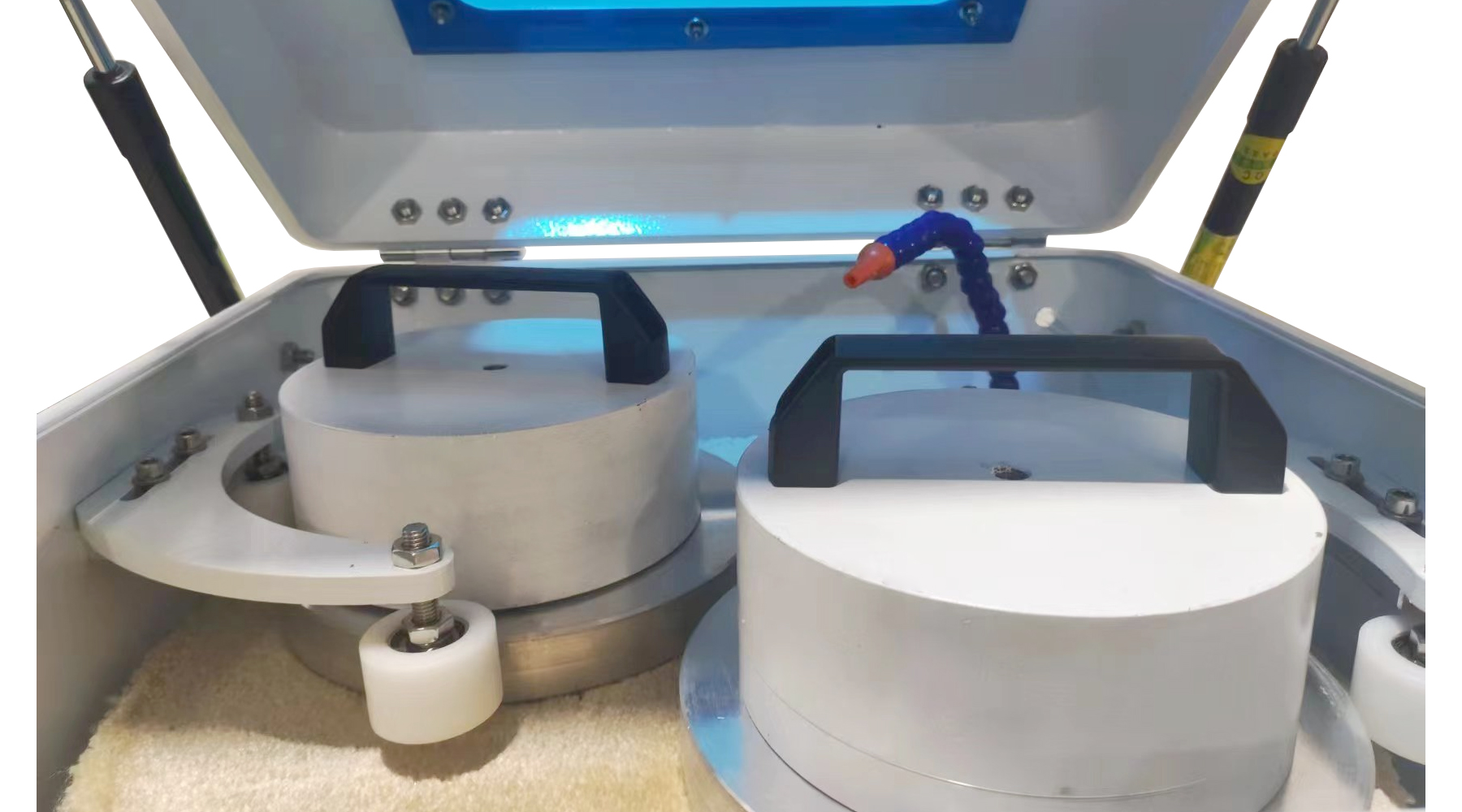
Evaluating Mold Precision for Light Surface Scratch Repair
To maintain high yield rates, your facility must invest in precision-engineered, model-specific jigs. Generic or adjustable molds often compromise the rigidity required for consistent polishing. When evaluating your current inventory, consider the following operational factors:
- Edge Clearance: The mold must provide exact clearance for side buttons and ports to prevent the polishing blanket from catching and tearing the device out of the jig.
- Surface Flatness: The mold base must be perfectly flat to ensure the glass screen makes 100% uniform contact with the polishing surface.
- Material Durability: Molds undergo repeated chemical exposure from cleaning agents and polishing compounds. High-density, chemical-resistant materials ensure the mold does not degrade over time, which would otherwise alter the fit and increase your scrap rate.
By upgrading to dedicated phone holding molds designed for specific models, factory owners report a significant decrease in edge-chipping incidents and a more predictable consumable lifecycle.
Matching Molds with the Right Polishing Consumables
A perfectly fitted mold is only half of the equation. The interaction between the mold, the screen, and the polishing consumables dictates your unit cost reduction. If a mold holds the screen at a microscopic angle, the polishing blanket will wear unevenly. This accelerates the degradation of the blanket, drastically increasing your consumables repurchase cost.
For a complete breakdown of how to calculate and minimize these expenses, review our comprehensive resource on Polishing Consumables & Operating Cost. Optimizing this relationship ensures that your polishing powders, blankets, and coating liquids are utilized at maximum efficiency, extending the lifespan of each consumable batch.
Furthermore, the refurbishment process does not end with scratch removal. Once the device is polished, cleaned, and reassembled, the structural integrity of the chassis must be restored. Applying high-quality UV waterproof sealing glue is the mandatory final step to re-seal the device. This ensures the phone meets wholesale quality standards for water and dust resistance before it is shipped to your buyers.
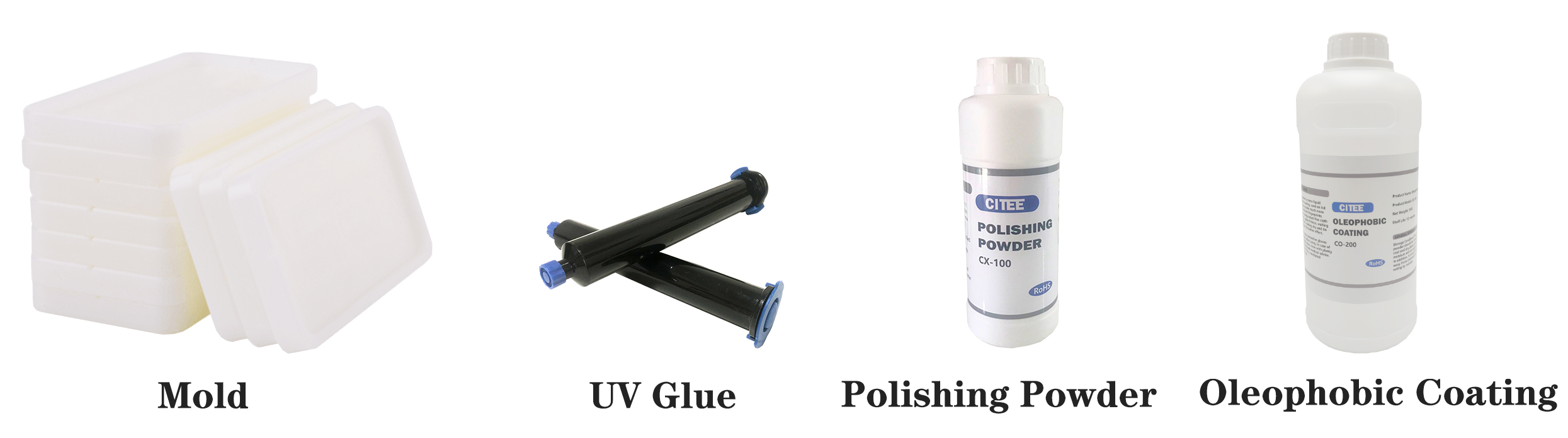
Selection Checklist for Refurbishment Operations
Use the following checklist to audit your current production line and identify areas for cost optimization:
| Audit Parameter | Optimization Target | Impact on ROI |
|---|---|---|
| Mold Fitment | Zero-gap contact between screen and mold base | Reduces edge-chipping scrap rate by up to 30% |
| Blanket Wear Pattern | Uniform wear across the entire blanket surface | Extends consumable repurchase cycle, lowering unit cost |
| Damage Triage | Strict separation of light scratches vs. deep cracks | Prevents wasted machine time on unpolishable deep fractures |
| Final Sealing | 100% application of UV waterproof adhesive post-assembly | Increases wholesale batch value and reduces buyer returns |
Conclusion and Next Steps
Maximizing throughput and minimizing scrap in used phone refurbishment requires strict adherence to equipment precision. By implementing the strategies outlined in this holding mold compatibility across phone models guide, your facility can achieve consistent, high-quality surface scratch repairs while keeping consumable repurchase costs under control. Remember, polishing is strictly for light surface scratches; deeply fractured or shattered glass cannot be fixed by this method and must be handled differently.
To request a formal Proforma Invoice (PI) and discuss bulk pricing for your facility, please contact our B2B sales team. When reaching out, please provide your company name, monthly refurbishment volume, target quantity for holding molds and machines, and specify whether you need matching consumables (such as polishing blankets, powders, and UV sealing glue) included in your quote. Our team will tailor a cost-optimization package specifically for your production requirements.
No. Our polishing process is strictly designed to repair light surface scratches on glass screens. It cannot fix deep cracks, shattered glass, or structural fractures. Units with deep damage require full screen replacement or must be scrapped.
Precise holding mold compatibility ensures even pressure distribution during polishing. If a mold is ill-fitting, the polishing blanket wears unevenly and degrades faster, significantly increasing your consumable repurchase cost and lowering your overall ROI.
Yes, we continuously update our catalog of model-specific phone holding molds to match the latest market releases. Please provide your target models when requesting a formal Proforma Invoice (PI) so we can quote the exact jigs you need.
After polishing and cleaning, we highly recommend using UV waterproof sealing glue to re-seal the device. This restores the structural bond and helps maintain the device’s water and dust resistance before it returns to the wholesale market.