
Can You Remove Scratches From iPhone Screen By Polishing? A B2B Refurbishment Guide
For B2B refurbishment facilities, used phone wholesalers, and independent repair shops, maximizing the yield of graded devices is a primary operational focus. A frequent technical inquiry we receive from factory owners is: can you remove scratches from iphone screen by polishing? The definitive answer is yes, provided the damage is strictly limited to light surface-level blemishes. Understanding the precise capabilities and physical limitations of glass polishing is essential for reducing scrap rates, optimizing throughput capacity, and improving overall unit economics in your refurbishment pipeline.
Understanding the Limits: Can You Remove Scratches From iPhone Screen By Polishing?
When processing large volumes of used smartphones, distinguishing between cosmetic wear and structural failure is the first step in the triage process. Many operators ask if they can recover deeply fractured or shattered displays through mechanical polishing. It is critical to state explicitly that polishing CANNOT fix deep cracks, shattered glass, or structural LCD/OLED damage. The process is engineered exclusively to remove light surface scratches, minor scuffs, and superficial oxidation from the glass digitizer.
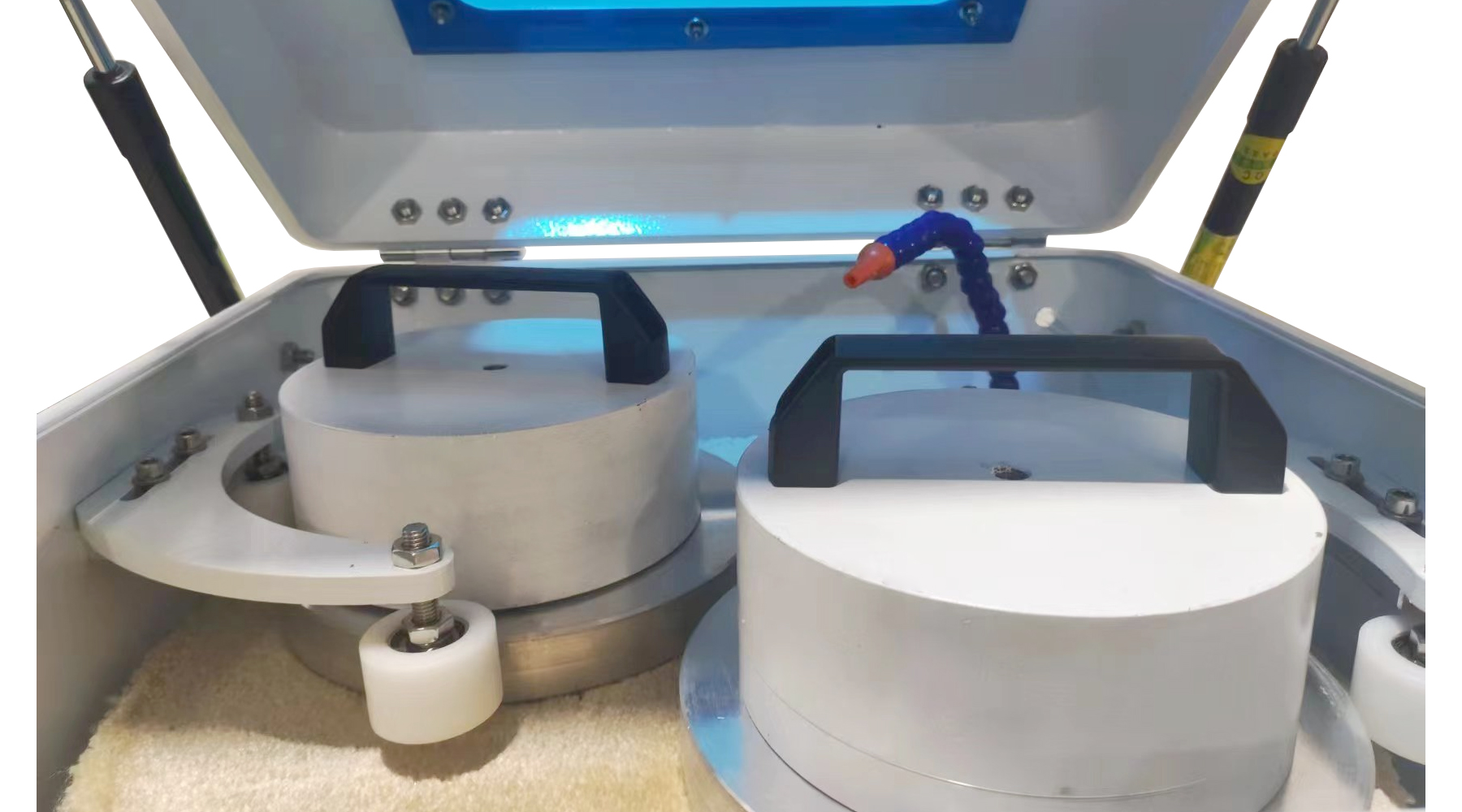
Technically, the polishing process utilizes a controlled mechanical abrasion method. By applying a specialized micron-grade abrasive compound alongside a polishing pad, the machine gently levels the microscopic peaks and valleys of the scratched glass surface. This leveling process effectively removes the scratch by blending it into the surrounding undamaged glass, restoring optical clarity. Because this process removes a microscopic layer of the glass, it is imperative that the equipment applies perfectly uniform pressure. Any uneven pressure can result in optical distortion or edge rounding, which compromises the structural integrity and aesthetic quality of the final product.
Attempting to polish deep fractures will not only fail to restore the screen but will also introduce stress points that lead to total glass failure during the process. By strictly limiting intake to devices with superficial glass wear, factories can maintain high throughput capacity and predictable yield rates. For a comprehensive breakdown of how this impacts your bottom line and operational workflows, review our Refurbishment ROI & Process guide.
The Economics of Surface Scratch Removal and Scrap Rate Reduction
In the secondary mobile market, the visual grade of a device directly dictates its resale value. A phone categorized as “Grade B” due to visible screen scratches sells at a significant discount compared to a “Grade A” device. By integrating a polishing step for devices with light surface wear, refurbishment centers can upgrade the cosmetic grade of the unit. This unit cost reduction effectively transforms lower-tier inventory into premium-grade stock without the expense of full screen replacement.
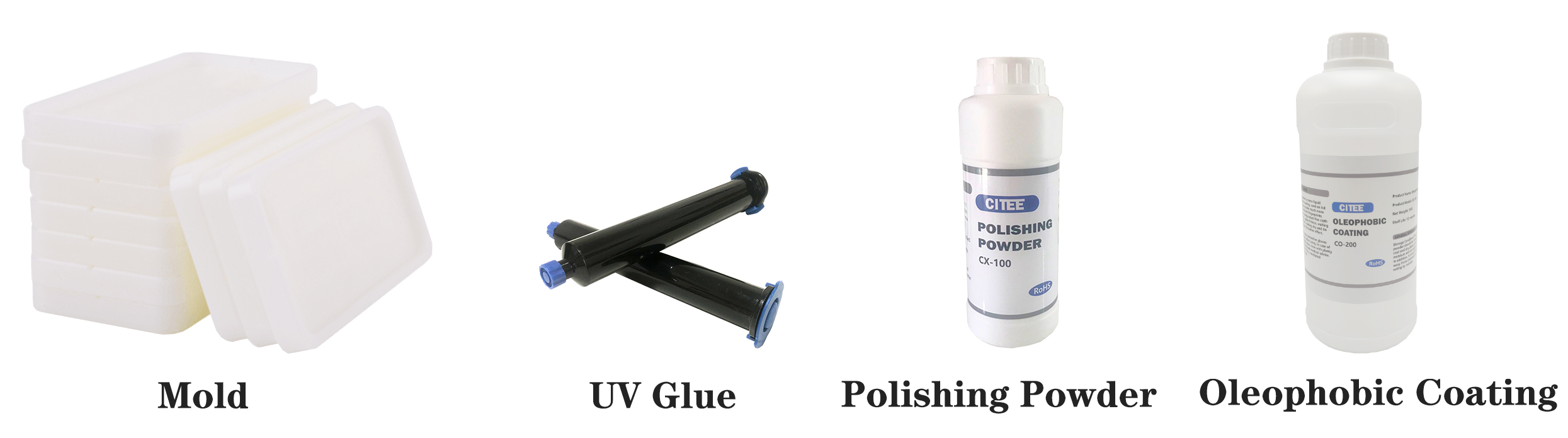
However, the economics of this process rely heavily on managing consumables repurchase cost and machine utilization. Polishing requires specialized abrasive films, polishing pads, and cooling lubricants. Calculating the exact cost-per-unit requires factoring in the lifespan of these consumables against the labor time required per device. When optimized, the cost of polishing a light surface scratch is a fraction of the cost of sourcing and installing a new OEM or aftermarket display assembly. This margin expansion is the primary driver for factories adopting automated or semi-automated polishing workflows.
Furthermore, managing the consumables repurchase cost is a critical factor in long-term profitability. Abrasive films and polishing pads degrade with use. A common mistake among new refurbishment operators is replacing consumables too early, which inflates the cost-per-unit, or running them too long, which results in poor polish quality and increased rework rates. Establishing a strict replacement schedule based on machine runtime and processed unit count is essential.
Equipment Selection for Repair Shops and Factories
Selecting the right hardware depends on your facility’s throughput capacity and spatial constraints. Large-scale factories may require multi-station automated lines, while smaller operations need compact, reliable units.
For independent repair shops and small-to-medium refurbishment operations, the CPM-001 Screen Polishing Machine is an excellent single-station solution. It is designed to handle the precise mechanical requirements of glass surface restoration, ensuring consistent pressure and rotation speeds necessary for uniform scratch removal. The CPM-001 allows shops to bring the refurbishment process in-house, eliminating the need to outsource cosmetic repairs and keeping profit margins intact.
As your operation scales, the transition from a single-station setup to a multi-station factory line requires careful planning. You must evaluate your floor space, power requirements, and labor allocation. The CPM-001 serves as an excellent entry point for shops looking to validate the refurbishment ROI before committing to larger, multi-station industrial lines.
Operational Selection Checklist for Polishing
To ensure your facility is optimized for surface scratch removal, evaluate your current workflow against the following operational checklist.
| Operational Parameter | Requirement for Successful Polishing |
|---|---|
| Intake Screening | Must strictly filter out deep cracks, shattered glass, and LCD bleed. Only light surface scratches qualify. |
| Consumables Management | Track abrasive film and pad lifespan meticulously to calculate accurate cost-per-unit and manage repurchase costs. |
| Throughput Capacity | Align machine station count (e.g., single-station vs. multi-station) with your daily graded device volume. |
| Quality Control | Implement post-polish optical inspection under standardized lighting to verify scratch removal without introducing haze. |
Conclusion and Next Steps
Ultimately, when evaluating whether can you remove scratches from iphone screen by polishing, the answer relies on strict adherence to surface-level damage parameters and a clear understanding of your operational economics. By restricting the process to light surface scratches, B2B operators can significantly reduce scrap rates, elevate device grades, and maximize profitability.
To determine the exact equipment and consumables configuration for your facility, we invite you to request a formal Proforma Invoice (PI). Please provide your company name, monthly refurbishment volume, target quantity for equipment, and whether you need matching consumables included in the quote. Our engineering team will review your specific throughput requirements and provide a tailored proposal.
No. Polishing is strictly limited to light surface scratches. It cannot fix deep cracks, shattered glass, or structural LCD/OLED damage.
When performed correctly with calibrated equipment, polishing removes only a microscopic layer of the glass surface to level scratches, preserving the structural integrity of the digitizer.
Continuous operations require specialized micron-grade abrasive films, polishing pads, and cooling lubricants. Managing their lifespan is critical for controlling cost-per-unit.
The CPM-001 is a single-station machine designed for independent repair shops and small-to-medium operations. Large-scale factories typically require multi-station automated lines for higher throughput capacity.