
Optimizing Cerium Oxide Slurry Storage Shelf Life Handling for Refurbishment ROI
In the highly competitive B2B mobile refurbishment sector, managing consumables efficiently is critical to maintaining profitability and scaling operations. Proper cerium oxide slurry storage shelf life handling directly impacts your unit cost reduction, scrap rate mitigation, and overall throughput capacity. When factory operators and wholesale repair centers optimize their liquid compound management, they significantly reduce material waste and maintain consistent polishing performance strictly for light surface scratches. Understanding the chemical stability of your abrasive compounds is the first step toward maximizing your operational margins.
Why Cerium Oxide Slurry Storage Shelf Life Handling Matters for B2B
For used phone wholesalers and large-scale repair facilities, the glass polishing process is strictly limited to removing light surface scratches. It is crucial to explicitly state that polishing CANNOT fix deep cracks, shattered glass, or deeply fractured screens—only surface-level defects can be remediated. To achieve consistent, wholesale-grade results on viable glass, the chemical and physical stability of your polishing compound is paramount. Poor cerium oxide slurry storage shelf life handling leads to particle agglomeration, reduced cutting efficiency, and an increased scrap rate due to incomplete scratch removal or surface hazing. By maintaining strict environmental controls over your liquid compounds, you protect your operational margins, ensure every unit processed meets strict grading standards, and prevent costly rework.
Best Practices for Slurry Preparation and Handling
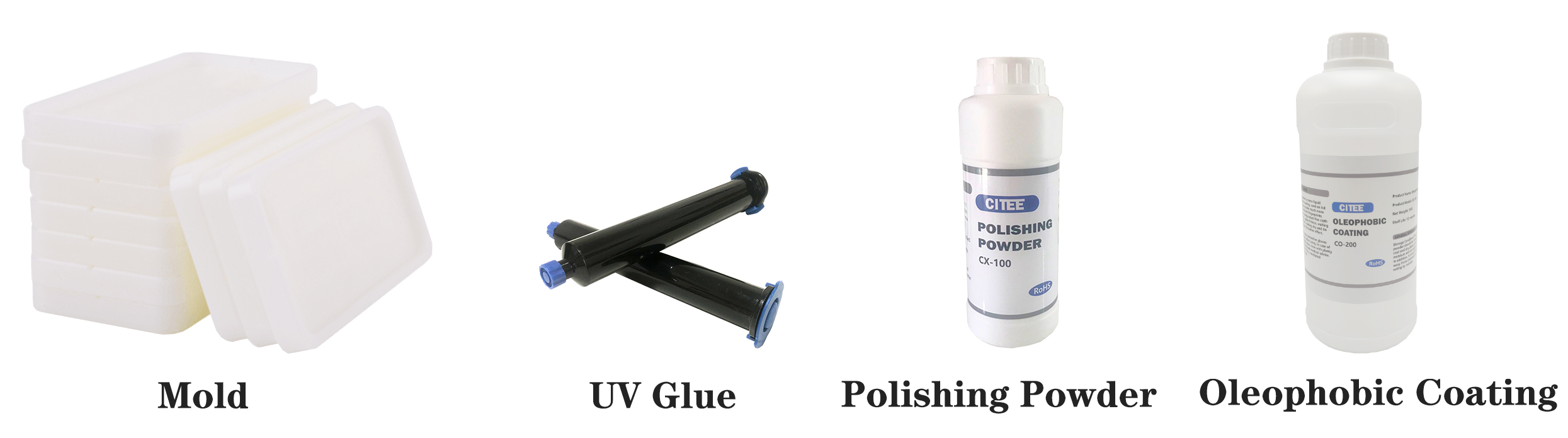
Effective management begins at the mixing stage and extends through the entire application lifecycle. Whether you are sourcing cerium oxide polishing powder 500g for pilot runs and small-batch testing, or utilizing bulk cerium oxide polishing powder 5KG for continuous high-volume production, the water-to-powder ratio must be strictly calibrated using deionized water. Tap water minerals can contaminate the slurry and accelerate degradation. Once mixed, the slurry must be stored in sealed, opaque containers to prevent UV degradation and moisture evaporation. Agitation before use is non-negotiable; cerium oxide particles will settle rapidly if left stagnant, leading to uneven polishing pressure, inconsistent scratch removal, and potential premature pad wear. Proper handling protocols ensure that the abrasive characteristics remain uniform across every batch, directly supporting your facility’s throughput capacity.
Reducing Consumables Repurchase Cost and Optimizing ROI
To fully understand how material management affects your bottom line, we recommend reviewing our comprehensive guide on Polishing Consumables & Operating Cost. A major factor in consumables repurchase cost is the premature degradation of the slurry due to improper environmental exposure. If your facility struggles with cerium oxide slurry storage shelf life handling, you may find yourself discarding usable compound, experiencing higher pad consumption due to inconsistent slurry viscosity, or facing machine downtime from clogged delivery lines. By implementing a first-in, first-out (FIFO) inventory system and storing mixed slurries in climate-controlled environments, factories can extend the usable life of their chemicals. This strategic approach lowers the effective cost per refurbished unit and significantly boosts your overall return on investment.
Slurry Management & Optimization Checklist:
- Mixing: Use deionized water to prevent mineral contamination that accelerates slurry degradation.
- Storage: Keep unmixed powder in a cool, dry place; store mixed slurry in airtight, opaque containers.
- Agitation: Implement mechanical stirrers for bulk tanks to prevent particle settling before machine feeding.
- Shelf Life Monitoring: Label all mixed batches with date/time; discard slurry exceeding the recommended operational window to prevent surface hazing.
- Equipment Sync: Ensure slurry delivery tubes are flushed regularly to prevent internal clogging and flow restriction.
Monitoring Slurry Viscosity and Flow Rates
Beyond basic storage, monitoring the physical properties of your slurry during the handling phase is critical for maintaining throughput capacity. As cerium oxide slurries sit, even in optimal conditions, slight shifts in viscosity can occur. Factory floor managers should implement routine checks on the slurry delivery pumps and flow meters. A drop in flow rate often indicates particle settling or minor agglomeration, which directly translates to insufficient abrasive delivery at the polishing pad interface. This results in longer cycle times per unit and increased energy consumption. By proactively managing the flow dynamics through rigorous cerium oxide slurry storage shelf life handling protocols, you ensure that every machine cycle operates at peak efficiency, keeping your unit cost reduction targets on track.

Conclusion: Strategic Cerium Oxide Slurry Storage Shelf Life Handling
Ultimately, mastering cerium oxide slurry storage shelf life handling is not just a routine maintenance task; it is a strategic operational imperative for B2B refurbishment centers. By protecting the integrity of your polishing compounds, you ensure consistent removal of light surface scratches, minimize pad wear, and maximize your return on investment. Remember, this process is exclusively for surface-level defect remediation and will not repair structural glass damage.
Ready to optimize your refurbishment line and reduce your unit costs? Request a formal Proforma Invoice (PI) today by providing your company name, monthly refurbishment volume, target quantity, and whether you need matching consumables. Our technical team will tailor a supply and operating cost strategy specific to your factory’s throughput requirements.
Frequently Asked Questions
Can polishing fix deep cracks or shattered screens?
No. Polishing is strictly designed to remove light surface scratches on glass screens. It CANNOT fix deep cracks, deeply fractured glass, or shattered screens.
How does poor slurry storage affect refurbishment ROI?
Poor storage leads to particle agglomeration and chemical degradation, which increases scrap rates, reduces throughput capacity, and drives up consumables repurchase costs.
What is the best way to store mixed cerium oxide slurry?
Mixed slurry should be stored in sealed, opaque containers in a climate-controlled environment to prevent moisture evaporation and UV degradation, ensuring consistent cutting efficiency.
Why is deionized water recommended for slurry mixing?
Deionized water prevents mineral contamination from tap water, which can alter the chemical balance of the slurry and accelerate its degradation over time.
No. Polishing is strictly designed to remove light surface scratches on glass screens. It CANNOT fix deep cracks, deeply fractured glass, or shattered screens.
Poor storage leads to particle agglomeration and chemical degradation, which increases scrap rates, reduces throughput capacity, and drives up consumables repurchase costs.
Mixed slurry should be stored in sealed, opaque containers in a climate-controlled environment to prevent moisture evaporation and UV degradation, ensuring consistent cutting efficiency.
Deionized water prevents mineral contamination from tap water, which can alter the chemical balance of the slurry and accelerate its degradation over time.