
Maximizing ROI with a compact screen polishing machine for small repair shop operations
For independent refurbishment facilities and local repair businesses, minimizing scrap rates is critical to profitability. Investing in a compact screen polishing machine for small repair shop environments allows operators to recover lightly scratched glass, transforming potential waste into revenue. This equipment is specifically engineered to restore optical clarity to devices with superficial surface damage, directly improving unit economics and throughput capacity.
Why a compact screen polishing machine for small repair shop is essential
In the secondary mobile device market, profit margins are heavily dictated by component recovery rates. When dealing with used phone wholesalers or managing an independent repair depot, a significant percentage of inventory is downgraded or scrapped simply due to light cosmetic wear on the glass digitizer. By integrating a compact screen polishing machine for small repair shop workflows, businesses can intercept these units before they hit the scrap bin.
The primary financial driver for this equipment is unit cost reduction. Instead of replacing the entire glass digitizer assembly, polishing recovers the original OEM glass. This drastically reduces the Bill of Materials (BOM) cost per unit. For high-volume operations, even a marginal reduction in per-unit refurbishment cost translates to substantial monthly savings, directly enhancing the bottom line.
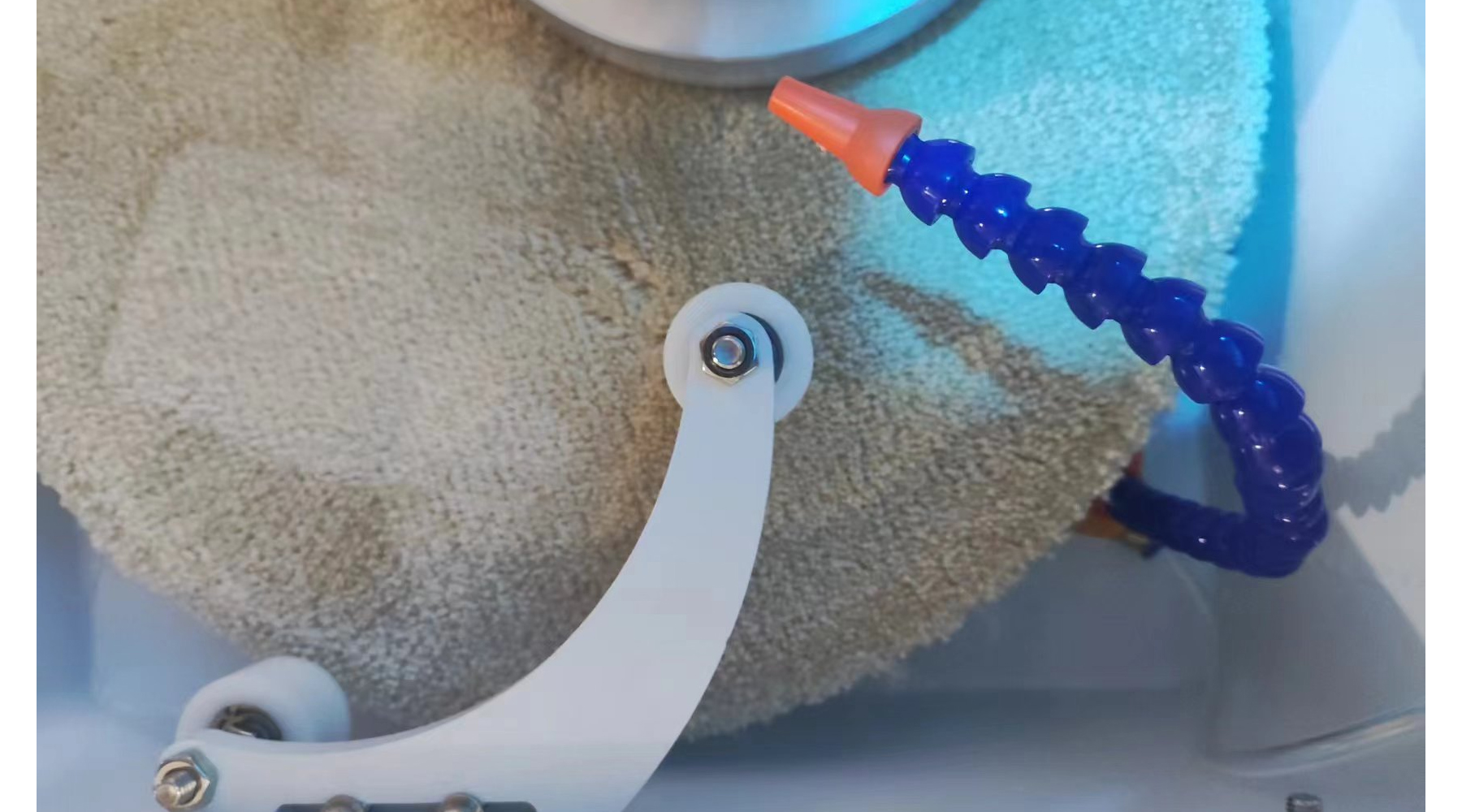
Surface scratch recovery vs. deep fracture limitations
It is vital for B2B operators to understand the technical boundaries of glass restoration. Polishing technology is strictly limited to light surface scratches. It CANNOT fix deep cracks, shattered glass, or deeply fractured screens. Attempting to polish structural damage will remove too much glass, cause severe optical distortion, and inevitably break the LCD or OLED panel beneath.
Our machinery is designed exclusively for superficial cosmetic recovery. By strictly limiting intake to devices with light surface wear, repair shops ensure structural integrity remains intact while achieving a flawless, factory-like finish. This strict adherence to technical limitations prevents costly mistakes and protects the reputation of your refurbishment brand.
Selecting the right station capacity for your throughput
Choosing the correct equipment footprint and station capacity is critical for optimizing throughput capacity. For a comprehensive overview of all available configurations, we recommend reviewing our Screen Polishing Machines Buying Guide.
For independent repair shops with moderate volume or constrained floor space, the CPM-001 single-station machine is the ideal entry point. It provides reliable, consistent polishing for standard daily workflows without requiring a massive capital expenditure.
Conversely, for repair shops and wholesale depots looking to scale operations, the CPM-002 dual-station desktop machine significantly increases throughput capacity. By processing two units simultaneously, operators can double their daily output without increasing the physical footprint or the number of technicians required on the floor.
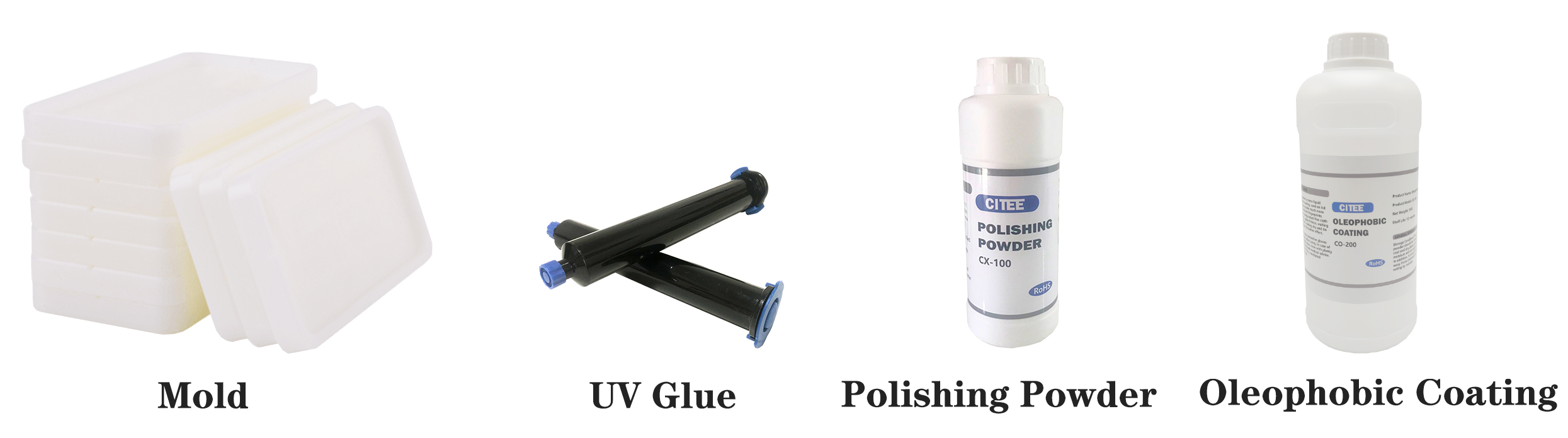
Cost optimization and ROI calculation
Maximizing return on investment requires a clear understanding of both capital expenditure and ongoing operational costs. A major factor in long-term profitability is the consumables repurchase cost. Polishing pads, cerium oxide slurry, and custom holding jigs are recurring expenses. To accurately calculate ROI, operators must divide the total monthly consumables cost by the number of successfully recovered units.
Furthermore, reducing the scrap rate directly impacts the overall yield of Grade-A inventory. In the wholesale market, the price differential between a Grade-B (scratched) device and a Grade-A (flawless) device can be substantial. By elevating the cosmetic grade of the inventory through precision polishing, wholesalers can command premium pricing, further accelerating the ROI of the machinery.
| Selection Checklist & ROI Formula | Operational Metric |
|---|---|
| Intake Quality Control | Reject all units with deep cracks or shattered glass; accept only light surface scratches. |
| Throughput Capacity | Match station count (CPM-001 vs CPM-002) to your monthly refurbishment volume. |
| Unit Cost Reduction | Calculate savings by comparing OEM glass replacement cost vs. polishing consumables cost. |
| Consumables Repurchase Cost | Track monthly slurry and pad usage to forecast ongoing operational expenditures. |
Optimize your refurbishment line today
Integrating a compact screen polishing machine for small repair shop environments is a proven strategy to reduce scrap rates, lower unit costs, and maximize throughput capacity. By strictly focusing on light surface scratch recovery, B2B operators can transform cosmetic defects into high-margin revenue.
To receive a formal Proforma Invoice (PI) and discuss pricing, please contact our sales team. When reaching out, please provide your company name, monthly refurbishment volume, target quantity, and whether you need matching consumables. Our engineering team will tailor a solution that aligns with your specific operational requirements and ROI targets.
No. Polishing technology is strictly limited to light surface scratches. It cannot fix deep cracks, shattered glass, or deeply fractured screens. Attempting to polish structural damage will compromise the underlying display panel.
By recovering lightly scratched OEM glass, operators avoid discarding units that would otherwise be downgraded or scrapped. This directly lowers the scrap rate and increases the yield of sellable, Grade-A inventory.
The CPM-001 is a single-station machine ideal for independent repair shops with lower throughput requirements. The CPM-002 is a dual-station desktop machine designed to double throughput capacity for shops with higher monthly refurbishment volumes.
Consumables such as polishing pads, cerium oxide slurry, and custom jigs are recurring operational expenses. When calculating ROI, divide the total monthly consumables repurchase cost by the number of successfully recovered units to determine the exact unit cost reduction.