
Does Polishing iPhone Screen Damage OLED or Face ID? A B2B Refurbishment Guide
For B2B refurbishment facilities and repair shop owners, evaluating equipment safety is critical. A common question we receive is: does polishing iphone screen damage oled or face id components during the refurbishment process? When scaling your operations to reduce scrap rates and improve unit economics, understanding the physical limitations of glass polishing is essential. This guide addresses the technical realities of surface scratch removal, ensuring your throughput capacity remains high without compromising device functionality.
Does Polishing iPhone Screen Damage OLED or Face ID Components?
When integrating glass restoration into your assembly line, the primary concern is whether the abrasive process compromises underlying sensitive electronics. The short answer is no, provided the operation is strictly limited to light surface scratches. The OLED display matrix and the Face ID dot projector are housed beneath the outer glass digitizer layer. Professional polishing machines are calibrated to remove only microns of the exterior glass surface, meaning the abrasion never penetrates deep enough to reach the OLED organic compounds or the infrared sensors used for biometric authentication.
However, it is critical to state explicitly that polishing CANNOT fix deep cracks, shattered glass, or deep fractures. If a screen is deeply damaged, it must be replaced. Polishing will not restore structural integrity to compromised glass and attempting to do so will result in liquid ingress or further mechanical failure of the display assembly.
The Mechanics of Safe Surface Scratch Removal
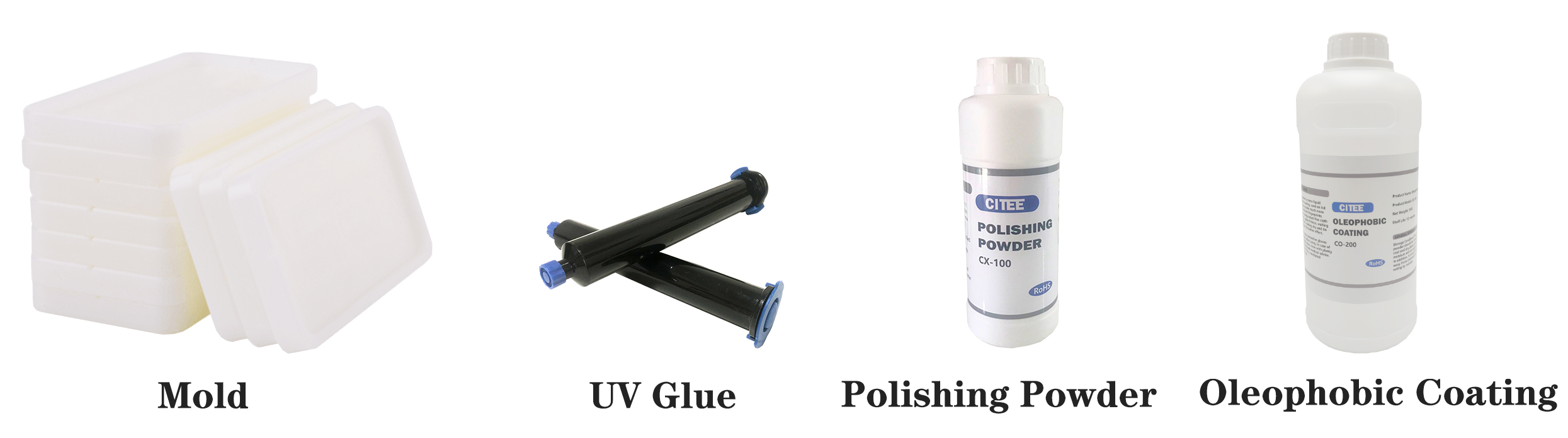
Safe refurbishment relies on controlling the variables of friction, pressure, and abrasive media. In a high-volume factory environment, operators use specialized cerium oxide slurries or diamond-based pastes paired with non-woven polishing pads. The machine applies consistent, computer-controlled downward pressure, ensuring an even distribution of force across the glass plane.
The thermal management during the polishing cycle is also a critical factor. Excessive friction can generate heat, which is why automated machines utilize water cooling systems or intermittent polishing cycles to keep the glass temperature within safe limits, ensuring the OLED adhesive and internal components remain completely unaffected.
To protect the OLED flex cables and the Face ID sensor array, technicians must apply high-temperature, residue-free masking tape around the bezel edges and the earpiece speaker grill before the polishing cycle begins. This prevents abrasive slurry from seeping into the internal components, which is the actual primary risk factor for OLED or Face ID damage—not the polishing process itself. Proper masking and post-polish ultrasonic cleaning are mandatory standard operating procedures for any B2B repair shop.
Maximizing Refurbishment ROI and Unit Cost Reduction
The financial justification for glass polishing lies in inventory upcycling. Sourcing used phones with light surface scratches typically yields a much lower acquisition cost compared to pristine units. By removing these cosmetic defects, factories can elevate Grade B and Grade C inventory to Grade A status, significantly increasing the resale margin.
Replacing an original OLED assembly incurs high unit costs and reduces your overall profit margin per device. By polishing light surface scratches, you retain the original factory-installed display, preserving the optimal color calibration and touch sensitivity that aftermarket screens often fail to replicate. Furthermore, retaining the original OLED assembly eliminates the risk of compatibility issues associated with third-party screens, such as True Tone loss or battery health reporting errors. This preservation of original software-hardware integration is highly valued by end consumers and downstream wholesalers, allowing you to command premium pricing in the B2B market.
To fully understand how this impacts your bottom line and calculate your specific operational metrics, review our comprehensive Refurbishment ROI & Process documentation.
Selection Checklist for Polishing Operations
To ensure your facility maintains high throughput capacity while protecting device internals, adhere to the following operational checklist:
| Operational Factor | B2B Consideration & Best Practice |
|---|---|
| Damage Assessment | Reject any unit with deep cracks or shattered glass. Only process units with light, superficial surface scratches. |
| Component Masking | Use industrial-grade masking tape to seal the earpiece grill, camera cutouts, and bezel edges to prevent slurry ingress. |
| Abrasive Media | Select the correct grit of polishing paste or slurry. Start with a coarser grit for visible scratches and finish with a fine grit for optical clarity. |
| Machine Calibration | Regularly calibrate the downward pressure and rotational speed to prevent uneven glass removal or localized heat buildup. |
| Post-Process Cleaning | Implement a strict ultrasonic cleaning and inspection protocol to remove all abrasive residue before final assembly. |

Managing Consumables Repurchase Cost and Throughput
While the capital expenditure for a polishing machine is a one-time cost, the ongoing consumables repurchase cost—such as polishing films, pads, and slurry—must be factored into your unit economics. High-quality consumables may have a higher upfront price per unit, but they offer a longer lifespan, reducing the frequency of changeovers and minimizing machine downtime.
Additionally, training your operators to apply the optimal amount of slurry prevents waste and extends the life of your polishing pads. Implementing a standardized workflow where consumables are tracked per batch allows you to accurately calculate the exact cost-per-unit for the polishing stage, ensuring no hidden margins are lost during the refurbishment cycle. Optimizing your consumables lifecycle directly impacts your throughput capacity and ensures predictable profit margins across large refurbishment batches.
Conclusion: Ensuring Safe and Profitable Refurbishment
Ultimately, when factory owners and wholesale directors ask does polishing iphone screen damage oled or face id, the answer relies on proper equipment calibration, strict adherence to surface-level repair protocols, and rigorous masking procedures. By focusing exclusively on light surface scratches and utilizing professional-grade machinery, your facility can safely enhance device aesthetics, retain original display quality, and maximize profitability without risking critical internal components.
To discuss how our industrial equipment can integrate into your production line, please contact our B2B sales team. When requesting a formal PI, ensure you provide your company name, monthly refurbishment volume, target quantity, and whether you need matching consumables included in the proposal.
Yes, but the pressure settings and abrasive media must be adjusted. OLED glass is often slightly different in thickness and hardness compared to older LCD glass. Always refer to the machine’s calibration guide for specific material settings to ensure optimal results without compromising the display.
Pad and slurry lifespan depends on your daily volume and the severity of the scratches. In a high-throughput B2B environment, it is best practice to track the cost-per-unit and replace pads when you notice a drop in polishing efficiency or an increase in micro-marring. Bulk purchasing matching consumables can help stabilize these replacement cycles.
Face ID failure is almost never caused by the actual polishing of the glass. It is typically caused by liquid ingress from polishing slurry seeping into the earpiece speaker grill or sensor array due to improper masking. Strict adherence to masking protocols and post-polish ultrasonic cleaning prevents this issue.