
Dry vs Wet Polishing Phone Glass: Which Method Maximizes Refurbishment ROI?
When scaling a mobile device refurbishment operation, choosing the right surface treatment is critical for profitability. Factory owners and repair shop managers frequently debate the merits of dry vs wet polishing phone glass to determine which method yields the highest throughput and lowest scrap rate. While both techniques address light surface scratches, understanding the operational differences is essential for optimizing your unit economics and consumables budget.
Understanding the Core Differences in Dry vs Wet Polishing Phone Glass
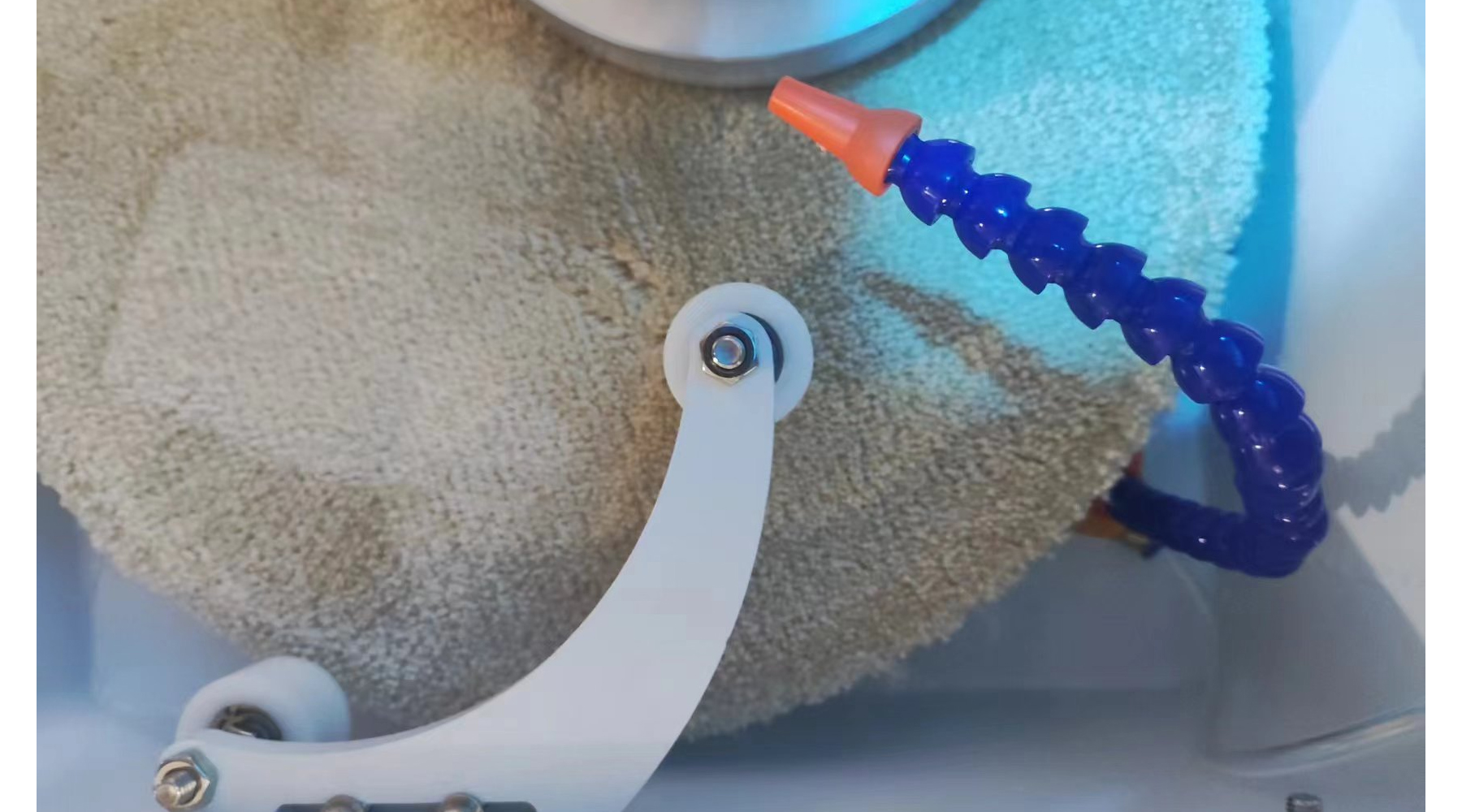
The fundamental difference lies in the application of coolants and abrasives. Dry polishing utilizes specialized diamond-impregnated pads or pastes without liquid coolants. In contrast, wet polishing relies on water or liquid coolants mixed with abrasive slurries. For a B2B facility, this choice directly dictates your workflow layout. Dry polishing keeps the work area significantly cleaner and eliminates the need for water drainage or extensive post-polish drying cycles. Wet polishing, however, requires splash guards, water pumps, and dedicated drying stations, which increases the physical footprint of the refurbishment line.
Evaluating Throughput Capacity and Consumables Repurchase Cost
Throughput capacity is the primary driver of ROI in high-volume refurbishment. Dry polishing typically offers faster cycle times because operators do not need to pause for coolant application or manage liquid runoff. This continuous workflow directly increases the number of units processed per shift. By reallocating labor from post-processing drying tasks to quality inspection, facilities can further optimize their operational expenditure. Conversely, while wet polishing might boast a lower initial consumables repurchase cost for abrasive slurries, the hidden costs of water management, wastewater disposal, and extended drying times can erode those savings. When calculating true unit cost reduction, facility managers must account for labor hours spent on post-processing and equipment maintenance.
Selecting the Right Equipment for Your Facility
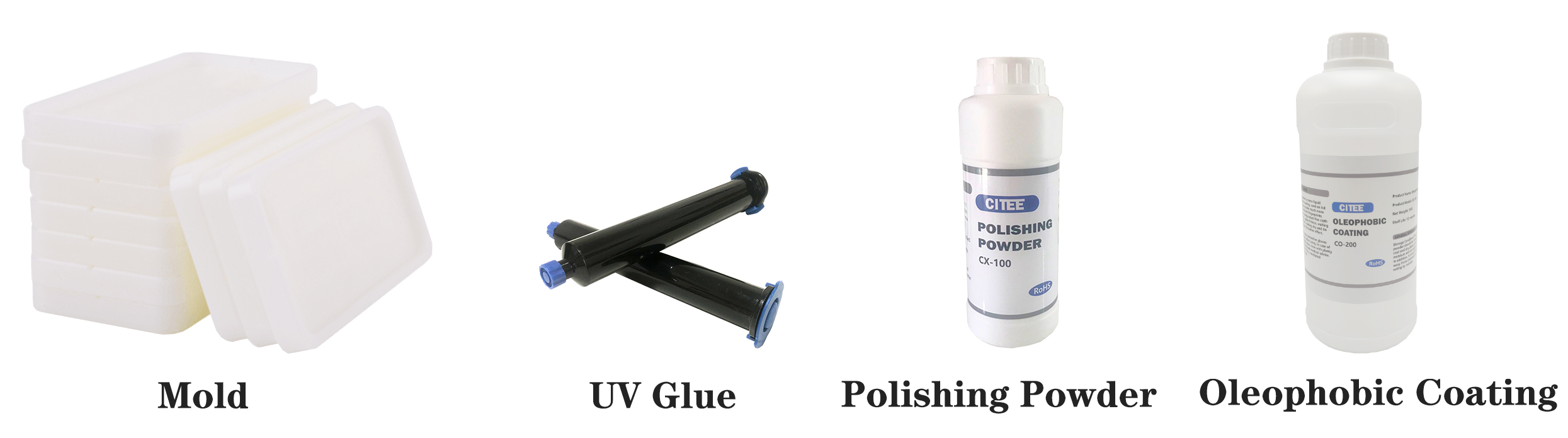
Upgrading to automated or semi-automated equipment is crucial for standardizing output and minimizing human error. For a complete overview of machinery options, refer to our Screen Polishing Machines Buying Guide. For repair shops and mid-sized wholesalers looking to optimize floor space without sacrificing output, the CPM-002 Screen Polishing Machine is an ideal solution. This dual-station desktop machine allows two operators to work simultaneously, effectively doubling the throughput capacity within a compact footprint. As your refurbishment volume grows, having a reliable dual-station setup ensures that your production line can scale efficiently without requiring immediate capital expenditure for additional floor space. By standardizing the polishing pressure and rotation speed, the CPM-002 minimizes operator-induced variations, ensuring consistent scratch removal across every batch.
Minimizing Scrap Rates Through Precision Control
In high-volume refurbishment, the scrap rate is the silent killer of profitability. Manual polishing often leads to uneven pressure distribution, resulting in either incomplete scratch removal or edge chipping. Modern machines mitigate this by utilizing precise digital pressure controls and automated rotation. By removing human inconsistency, facilities can drastically reduce their scrap rate, ensuring that a higher percentage of incoming inventory is successfully upgraded to Grade A condition. This precision is what ultimately drives unit cost reduction and maximizes the return on your equipment investment.
Critical Limitations: Surface Scratches vs. Deep Fractures
It is vital for B2B operators to set accurate customer expectations and avoid processing unviable inventory. Both dry and wet methods are strictly engineered to remove light surface scratches and restore optical clarity. Polishing CANNOT fix deep cracks, shattered glass, or deeply fractured screens. Attempting to polish structurally compromised glass will not yield a sellable unit and will only waste consumables and machine time. Implementing a strict pre-inspection sorting protocol ensures that only viable, surface-scratched devices enter the polishing queue, protecting your consumables budget and machine uptime. If a device exhibits deep structural damage, screen replacement is the only viable refurbishment path.
| Operational Metric | Dry Polishing | Wet Polishing |
|---|---|---|
| Workflow Footprint | Compact (No drying station needed) | Expanded (Requires water/drying setup) |
| Throughput Capacity | Higher (Continuous cycle) | Moderate (Interrupted by coolant/drying) |
| Consumables Repurchase Cost | Moderate (Pads/pastes) | Lower (Slurries), but hidden disposal costs |
| Post-Processing Labor | Minimal (Simple wipe down) | High (Drying and residue removal) |
Conclusion
Ultimately, the decision between dry vs wet polishing phone glass depends on your specific facility layout, labor costs, and throughput targets. Dry polishing generally offers superior ROI for modern refurbishment lines by maximizing throughput capacity and minimizing post-processing labor. To determine the most cost-effective solution for your operation, request a formal PI from our team. Please provide your company name, monthly refurbishment volume, target quantity, and whether you need matching consumables included in the quote.
No. Polishing is strictly engineered to remove light surface scratches. It cannot fix deep cracks, shattered glass, or deeply fractured screens. Structural damage requires a full screen replacement.
Dry polishing typically increases throughput capacity by eliminating the need for liquid coolant application and post-polish drying cycles. This allows for a continuous workflow, processing more units per shift and improving overall ROI.
To receive an accurate formal PI, you must provide your company name, monthly refurbishment volume, target quantity for the order, and specify whether you need matching consumables included in the quote.