
Understanding the Mechanics: How Does a Water Mill Screen Polishing Machine Work for B2B Refurbishment?
In the competitive B2B mobile refurbishment sector, minimizing scrap rates and maximizing throughput are critical for profitability. Many factory and repair shop owners frequently ask: how does a water mill screen polishing machine work to transform scratched inventory into sellable assets? By utilizing a specialized slurry of water and polishing compounds, this equipment safely removes light surface scratches without compromising the structural integrity of the glass. Understanding this process is essential for optimizing your unit cost reduction strategy and improving overall operational ROI.
The Core Mechanics: How Does a Water Mill Screen Polishing Machine Work?
At its core, the water mill polishing process relies on a controlled, fluid-based abrasive action. The machine utilizes a rotating mechanism combined with a continuous flow of water and a specialized polishing slurry. This slurry contains micro-abrasives that gently level the glass surface. Unlike dry polishing, which can generate excessive heat and cause thermal stress fractures, the water mill method keeps the glass temperature strictly regulated. The fluid dynamics ensure an even distribution of the abrasive compounds, resulting in a uniform, scratch-free finish across the entire display panel.
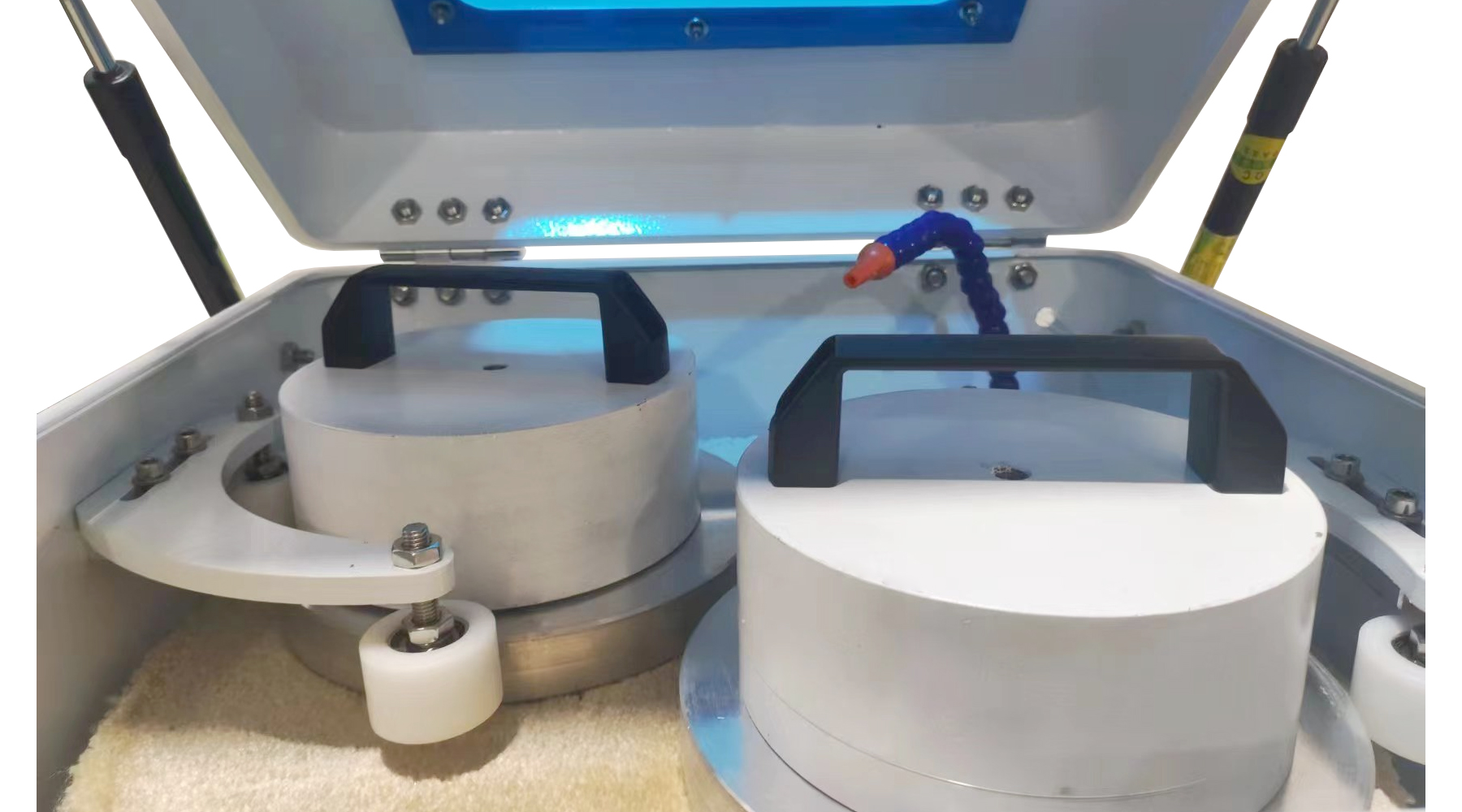
It is crucial to emphasize that this mechanical action is strictly calibrated for light surface imperfections. It removes microscopic layers of the glass to eliminate superficial marks, restoring optical clarity for secondary market sales.
Evaluating the ROI: Unit Cost Reduction and Scrap Rate Optimization
For wholesale refurbishment operations, the financial impact of integrating this technology is substantial. When a used device arrives with a scratched but fully functional screen, the traditional approach might involve replacing the entire display assembly. This incurs high parts costs and increases the scrap rate of original OEM screens. By implementing a water mill polishing system, factories can recover these units at a fraction of the replacement cost.
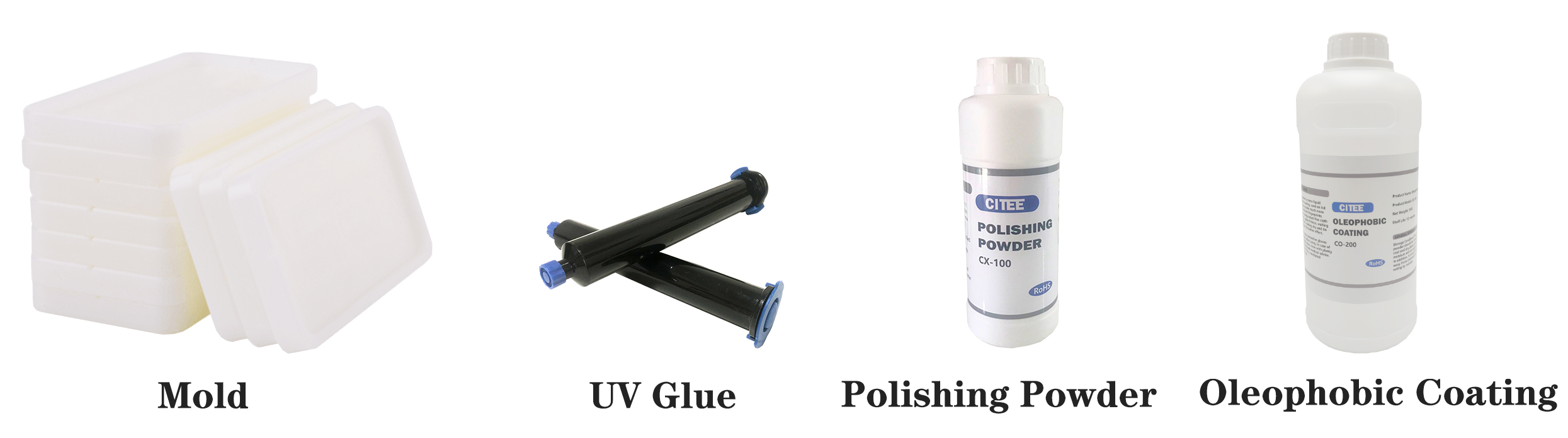
The primary drivers of ROI in this scenario are unit cost reduction and consumables efficiency. The ongoing operational expense is largely dictated by the consumables repurchase cost—specifically, the water and polishing compounds required per batch. When calculated against the wholesale value of a recovered OEM screen, the margin expansion is significant. Furthermore, recovering screens through polishing directly impacts your secondary market grading. Devices with pristine, scratch-free displays command higher wholesale prices and experience faster turnover rates. By reducing the reliance on aftermarket replacement screens, you also maintain the original OEM adhesive seals and display color accuracy, which are critical quality metrics for B2B buyers. For a comprehensive overview of equipment selection and calculating your refurbishment ROI calculator metrics, review our Screen Polishing Machines Buying Guide.
Throughput Capacity and Operational Efficiency
Throughput capacity directly influences labor costs and overall factory efficiency. Modern B2B equipment is designed to maximize the number of units processed per shift. For smaller repair shops or specialized workstations, the CPM-002 screen polishing machine offers a highly efficient dual-station desktop design. This configuration allows operators to process two units simultaneously, effectively doubling the output without requiring additional floor space or operator headcount. The compact footprint of the CPM-002 makes it an ideal addition to existing repair benches, ensuring that your facility can scale its polishing capabilities without undergoing major facility renovations.
Crucial Limitations: Surface Scratches vs. Deep Fractures
While understanding how does a water mill screen polishing machine work is valuable for operational efficiency, it is equally important to recognize its strict physical limitations. This technology is exclusively engineered to fix LIGHT SURFACE SCRATCHES. Polishing CANNOT fix deep cracks, deeply fractured, or shattered screens. Attempting to polish compromised glass will not restore structural integrity, will not prevent touch digitizer failures, and may actually worsen the visual damage. Deep damage requires full screen replacement; polishing is strictly a cosmetic recovery process for intact glass.
Optimizing Your Refurbishment Line
| Metric | Formula / Consideration |
|---|---|
| Cost per Unit Polished | (Consumables Cost + Labor Time + Machine Depreciation) / Units Processed |
| Scrap Rate Reduction | Percentage of previously scrapped screens now recovered for resale |
| Net ROI per Batch | (Recovered Screen Value – Polishing Cost) x Total Units in Batch |
Conclusion
Integrating advanced polishing technology into your refurbishment workflow is a strategic move to protect margins and reduce waste. Ultimately, knowing exactly how does a water mill screen polishing machine work allows B2B operators to make data-driven decisions that lower unit costs, minimize scrap, and elevate overall profit margins in a highly competitive secondary market.
To explore how our equipment can integrate into your facility, please contact us to request a formal PI. When reaching out, ensure you provide your company name, monthly refurbishment volume, target quantity, and whether you need matching consumables.
No. The technology is strictly engineered to fix light surface scratches. Polishing cannot fix deep cracks or shattered glass, as it only removes microscopic layers of the surface.
The water mill process requires a continuous supply of water-based polishing slurries and compounds. Factories must factor in the consumables repurchase cost when calculating total operational ROI.
Dual-station models allow operators to process two units simultaneously. This effectively doubles your throughput capacity compared to single-station setups, significantly reducing labor costs per unit.