
How Often Replace Polishing Blanket Rollers Maintenance Cycle for Maximum ROI
In the high-volume mobile device refurbishment industry, maintaining optimal throughput is critical for factory owners and wholesale repair shops. A common operational question we receive from facility managers is: how often replace polishing blanket rollers maintenance cycle to ensure consistent results? Understanding this cycle is essential for minimizing downtime, controlling unit costs, and protecting your profit margins. At CITEE Industrial, we supply equipment designed exclusively to remove light surface scratches from glass screens. Please note that polishing cannot fix deep cracks, shattered glass, or structural fractures—it is strictly for surface-level aesthetic restoration.
Understanding the Mechanics of Your Refurbishment Line
To determine the optimal replacement schedule, it is crucial to understand the mechanical relationship between the polishing blanket and the feed rollers in your screen refurbishment equipment. The polishing blanket is not merely a passive pad; it is a precision-engineered wool matrix designed to hold and distribute abrasive slurry evenly across the glass surface. Over time, the continuous friction and pressure cause the wool fibers to compress and mat down.
Simultaneously, the rubber rollers are responsible for feeding the glass at a precise, consistent rate while applying uniform downward pressure. As these rollers accumulate residue from the polishing compound and experience mechanical wear, they can develop flat spots or lose their grip. When this happens, the glass feed experiences micro-stutters, leading to uneven pressure distribution. This directly impacts your scratch removal rate and increases the likelihood of edge stress.
Factors Dictating Your Replacement Schedule
The frequency at which you need to replace these consumables depends heavily on your facility’s specific operational parameters. Here are the primary factors that dictate your maintenance cycle:
1. Monthly Refurbishment Volume
High-throughput factories processing thousands of units per month will naturally compress the wool blanket and wear down the rubber rollers much faster than a mid-sized repair shop. If your line runs continuously for multiple shifts, the physical degradation of the consumables accelerates.
2. Glass Thickness and Device Types
Polishing thicker glass panels or devices with slightly more aggressive surface textures requires higher downward pressure. This increased pressure accelerates the compression of the polishing blanket and the wear on the rubber rollers.
3. Slurry Abrasiveness
The type and concentration of the polishing compound you use also play a role. More aggressive slurries will break down the wool fibers faster, necessitating more frequent blanket changes to maintain a consistent scratch removal rate.
For a deeper dive into managing your facility’s specific expenses and calculating your exact break-even points, review our comprehensive guide on Polishing Consumables & Operating Cost.
Identifying When Consumables Reach End-of-Life
Waiting for a consumable to fail completely is a costly mistake in a B2B environment. Instead, facility managers should monitor for specific performance indicators that signal it is time to initiate your replacement protocol.
Visual and Tactile Indicators
Inspect the polishing blanket weekly. If the surface appears glossy, matted, or heavily stained with hardened slurry that cannot be cleaned, the wool fibers have lost their ability to hold fresh abrasive. Similarly, check the rubber rollers for visible grooves, flat spots, or a hardened, shiny surface. If the rubber feels hard to the touch rather than slightly tacky, it has lost its friction coefficient.
Performance Indicators
The most reliable indicator is your scrap rate and throughput quality. If you notice an increase in units that still exhibit light surface scratches after a standard polishing cycle, or if the polishing time required to achieve a clear finish has increased by 15-20%, your consumables are degraded. Additionally, if the glass is slipping during the feed process, the rollers are no longer providing adequate grip.
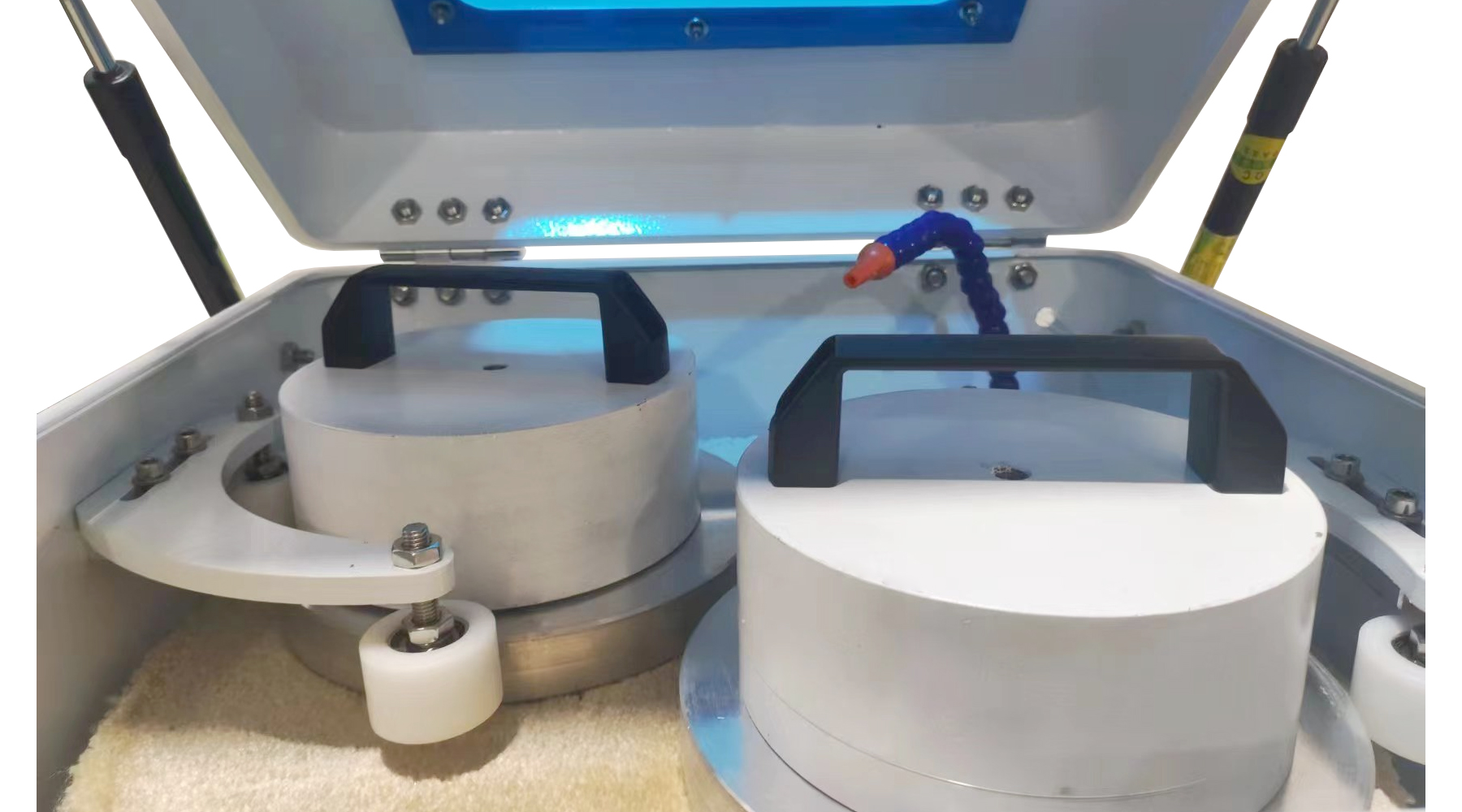
When wear is detected, procuring a premium replacement wool polishing blanket restores the original friction coefficient and slurry distribution. Furthermore, pairing it with new replacement rubber rollers ensures the glass feeds smoothly without micro-stutters that cause uneven polishing.
Selection Checklist for Maintenance Procurement
To optimize your unit cost and ensure uninterrupted throughput, use the following checklist when planning your consumable repurchase cycle:
B2B Consumable Replacement Checklist:
- Audit Current Wear: Measure blanket thickness and check roller hardness against baseline specs.
- Calculate Volume Impact: Adjust replacement frequency based on current monthly unit throughput.
- Synchronize Replacements: Replace blankets and rollers simultaneously to ensure uniform pressure distribution.
- Stock Safety Inventory: Maintain at least one full set of spares on-site to prevent line stoppages.
- Request Formal PI: Contact your supplier with your exact specifications to get accurate pricing and lead times.
Maximizing ROI Through Preventative Maintenance
In the refurbishment business, ROI is driven by unit cost reduction and scrap rate minimization. A degraded polishing blanket requires longer cycle times to achieve the same level of surface scratch removal, directly reducing your throughput capacity. Longer cycle times also mean higher power consumption and increased labor costs per unit.
By strictly adhering to a preventative maintenance schedule, you ensure that every unit passes through the machine with optimal pressure and slurry distribution. This consistency not only maximizes your daily output but also ensures that the light surface scratches are removed efficiently without risking edge damage. Remember, while our equipment excels at restoring the aesthetic quality of glass by eliminating surface-level imperfections, it cannot repair structural damage. Maintaining your consumables ensures the machine operates strictly within its designed parameters for surface refinement.
Conclusion
Understanding how often replace polishing blanket rollers maintenance cycle intervals occur is fundamental to running a profitable, high-throughput refurbishment facility. By monitoring wear indicators, aligning replacements with your production volume, and synchronizing your consumable upgrades, you protect your bottom line and maintain consistent quality.
To get a formal PI tailored to your operation, please contact us and provide your company name, monthly refurbishment volume, target quantity, and whether you need matching consumables. Our team will calculate the most cost-effective procurement strategy for your facility.
No. Our equipment is engineered strictly for the removal of light surface scratches on glass screens. It cannot fix deep cracks, shattered glass, or structural fractures. It is designed solely for surface-level aesthetic restoration.
You should inspect the blanket weekly. If the surface appears glossy, matted, or heavily stained with hardened slurry that cannot be cleaned, the wool fibers have lost their ability to hold fresh abrasive. Additionally, if your polishing cycle times have increased or your scrap rate is rising, it is time to replace the blanket.
Yes, it is highly recommended to synchronize their replacement. The blanket and rollers work together to apply uniform pressure and feed the glass. Replacing them simultaneously ensures consistent friction, prevents micro-stutters, and maintains optimal throughput capacity.
To receive a formal Proforma Invoice (PI) tailored to your facility, please contact us directly. You will need to provide your company name, monthly refurbishment volume, target quantity, and whether you need matching consumables so we can calculate the most cost-effective procurement strategy for you.