
How Refurbishers Price Polished vs Glass Replaced Units for Maximum ROI
In the highly competitive secondary mobile device market, understanding how refurbishers price polished vs glass replaced units is critical for maximizing profit margins. Factory owners and used phone wholesalers must carefully balance throughput capacity with unit cost reduction to maintain a healthy bottom line. While glass replacement involves high material costs and extended labor, surface-level scratch polishing offers a highly scalable alternative. This guide breaks down the pricing dynamics, operational costs, and ROI considerations for both refurbishment methods.
Understanding How Refurbishers Price Polished vs Glass Replaced Units
When B2B wholesalers evaluate inventory, the pricing structure heavily depends on the integrity of the original equipment manufacturer (OEM) glass. Units that retain their original factory lamination and OEM glass command a premium in the secondary market. This is where the distinction between polishing and replacement becomes a major financial factor.
Glass replacement requires separating the digitizer, applying aftermarket glass, and utilizing OCA/LOCA adhesives. Even with high-quality aftermarket parts, B2B buyers can often distinguish replaced glass from OEM glass, which slightly depresses the wholesale unit price. Conversely, screen polishing removes only light surface scratches, leaving the original OEM glass, factory oleophobic coating (if reapplied correctly), and original lamination entirely intact. Because the OEM glass is preserved, refurbished units processed via polishing are priced significantly higher than those requiring full glass replacement.
It is vital to note that polishing is strictly limited to light surface scratches. Polishing CANNOT fix deep cracks, shattered screens, or deeply fractured glass. If a device suffers from deep structural damage, glass replacement or full assembly replacement is the only viable path.
The Economics of Screen Polishing vs. Glass Replacement
To optimize your factory’s unit cost reduction, you must analyze the hidden expenses of both methods. Glass replacement carries a high consumables repurchase cost, including the price of aftermarket glass, adhesive films, and separation wires. Furthermore, the lamination process introduces a higher scrap rate; if dust enters the chamber or a bubble forms during curing, the entire unit may need to be reworked or scrapped.
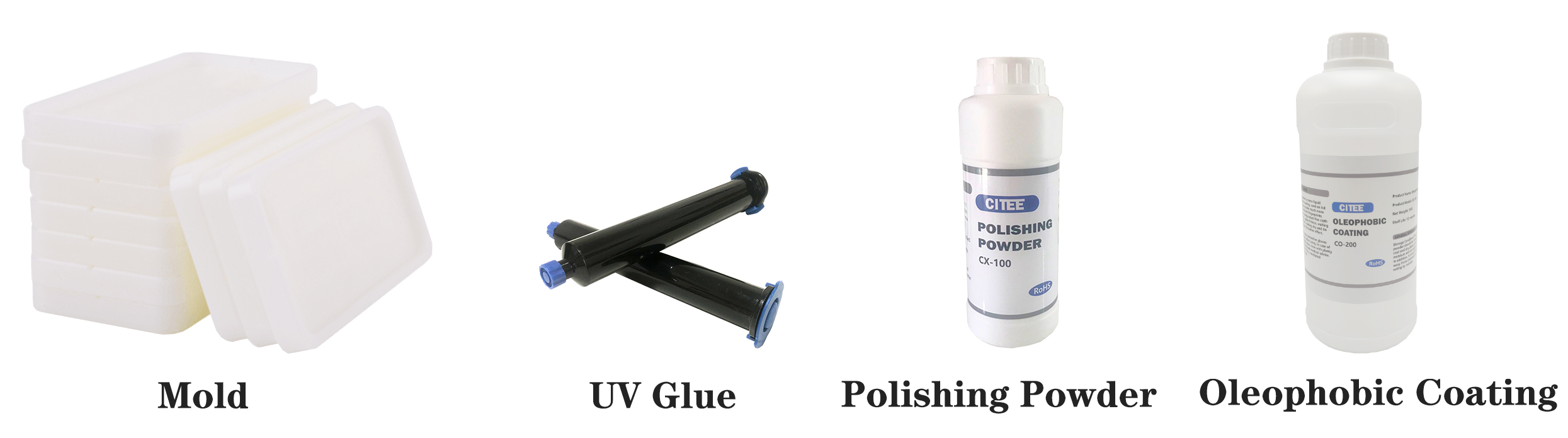
In contrast, screen polishing relies on precision machinery and specialized polishing films. The consumables repurchase cost for polishing films is highly predictable and significantly lower per unit than aftermarket glass. Because there is no liquid adhesive or lamination step, the scrap rate associated with the glass component drops to near zero. The labor cost per unit is also reduced, as polishing cycles are faster and do not require the extended curing times mandated by glass lamination.
Calculating Your Refurbishment ROI
Maximizing your return on investment requires looking beyond the immediate cost of materials and focusing on throughput capacity. A factory’s profitability is dictated by how many units it can process per shift. For a comprehensive breakdown of operational metrics, refer to our Refurbishment ROI & Process guide.
When calculating ROI, factor in the equipment depreciation and the daily output. Polishing machines can process multiple units simultaneously or feature rapid cycle times, drastically increasing your daily throughput compared to the bottleneck of lamination curing ovens. Higher throughput directly correlates to lower unit labor costs and faster inventory turnover.
Selection Checklist: Polishing vs. Glass Replacement
Use the following checklist to determine the most cost-effective refurbishment path for your incoming inventory.
| Evaluation Criteria | Screen Polishing | Glass Replacement |
|---|---|---|
| Damage Type | Light surface scratches only | Deep cracks, shattered glass, severe fractures |
| OEM Glass Retention | 100% Retained | Replaced with aftermarket glass |
| Wholesale Pricing Tier | Higher (OEM glass premium) | Lower (Aftermarket glass discount) |
| Consumables Cost | Low (Polishing films) | High (Glass, OCA/LOCA, separation wire) |
| Scrap Rate Risk | Near Zero | Moderate (Lamination bubbles, dust) |
| Throughput Speed | High (No curing time) | Low (Requires curing/lamination time) |
When to Choose Polishing Over Glass Replacement
The decision ultimately comes down to the condition of the incoming device and your target market segment. If your wholesale buyers demand OEM-quality displays and you are processing high volumes of Grade B devices with minor cosmetic wear, polishing is the superior choice. It preserves the structural integrity of the original display assembly while delivering a flawless visual finish.
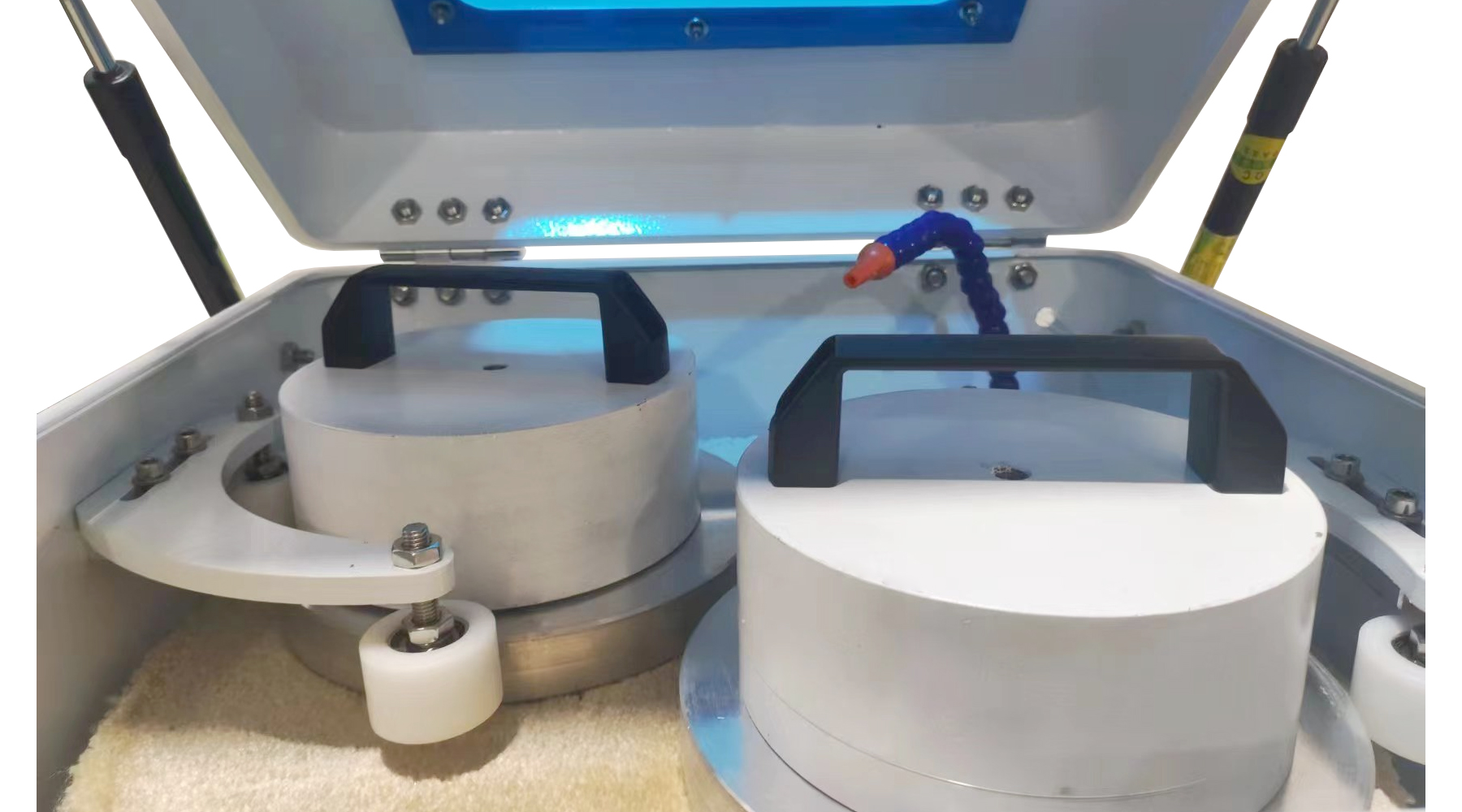
However, if your incoming lot consists of devices with shattered screens or deep fractures, polishing is not an option. You must route these units through the glass replacement or assembly replacement line. Attempting to polish deeply fractured glass will not yield a sellable product and will waste valuable consumables and machine time.
Frequently Asked Questions
Q: Does polishing a screen weaken the original OEM glass?
A: No. Professional industrial polishing removes only microns of material from the very top surface layer to eliminate light scratches. It does not compromise the structural integrity or depth of the original OEM glass.
Q: Can polishing fix a screen that has a deep crack or chip?
A: No. Polishing is exclusively designed for light surface scratches. It cannot fix deep cracks, shattered screens, or deeply fractured glass. Deep damage requires glass replacement.
Q: How does polishing affect the wholesale price of the unit?
A: Because polishing retains the original OEM glass and factory lamination, wholesalers price these units higher than those with aftermarket replaced glass. It allows you to sell the unit in a higher grading tier.
Q: What is the main cost advantage of polishing over glass replacement?
A: The primary cost advantages are the lower consumables repurchase cost, the elimination of lamination-related scrap rates, and the increased throughput capacity due to the absence of curing times.
Optimize Your Factory’s Refurbishment Line Today
Understanding how refurbishers price polished vs glass replaced units is the first step toward maximizing your B2B profit margins. To receive a formal Proforma Invoice (PI) and detailed equipment specifications, please contact our sales team. When reaching out, ensure you provide your company name, monthly refurbishment volume, target quantity for equipment or consumables, and whether you need matching consumables included in your order. Our engineers will tailor a solution that optimizes your unit cost reduction and throughput capacity.
No. Professional industrial polishing removes only microns of material from the very top surface layer to eliminate light scratches. It does not compromise the structural integrity or depth of the original OEM glass.
No. Polishing is exclusively designed for light surface scratches. It cannot fix deep cracks, shattered screens, or deeply fractured glass. Deep damage requires glass replacement.
Because polishing retains the original OEM glass and factory lamination, wholesalers price these units higher than those with aftermarket replaced glass. It allows you to sell the unit in a higher grading tier.
The primary cost advantages are the lower consumables repurchase cost, the elimination of lamination-related scrap rates, and the increased throughput capacity due to the absence of curing times.