
How to Polish iPhone Screen Scratches Before Resale: A B2B Guide
For used phone wholesalers and repair shop owners, maximizing profit margins requires minimizing scrap rates. Understanding how to polish iphone screen scratches before resale is a critical operational capability that directly impacts your bottom line. By integrating industrial-grade polishing into your refurbishment pipeline, you can recover devices that would otherwise be sold at a steep discount or written off entirely.
The Business Case: Why You Need to Know How to Polish iPhone Screen Scratches Before Resale
In the secondary mobile device market, cosmetic grading dictates wholesale pricing. A device classified as “Grade B” due to visible screen scuffs sells for significantly less than a “Grade A” unit. The ability to remove these light surface imperfections allows refurbishment facilities to upgrade the cosmetic grade of their inventory without the high cost of full screen replacements. This unit cost reduction is the primary driver of refurbishment ROI.
However, it is crucial to establish strict operational boundaries. Polishing is exclusively designed for light surface scratches. We must explicitly state that polishing CANNOT fix deep cracks, shattered glass, or deeply fractured screens — it will only address surface-level scratches. Attempting to polish a structurally compromised screen will lead to further damage, liquid ingress, and a total loss of the unit. Proper triage ensures your polishing line only processes viable candidates, protecting your throughput capacity and preventing costly write-offs.
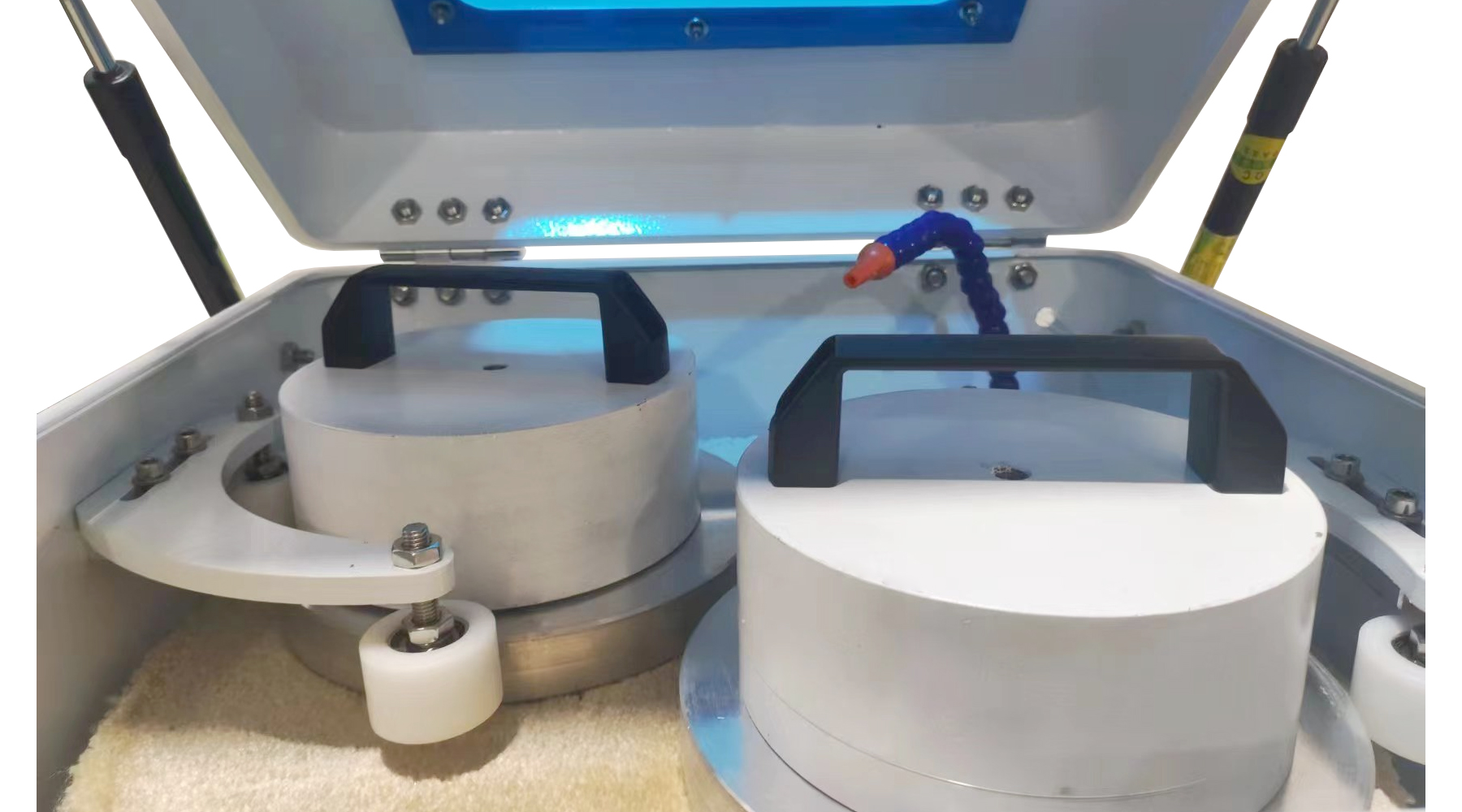
Evaluating Surface Damage vs. Deep Fractures
When evaluating incoming inventory, your technicians must accurately triage glass conditions. Light surface scratches are typically caused by contact with keys, coins, or abrasive surfaces. These micro-abrasions sit entirely on the exterior oleophobic coating and the top layer of the glass.
Deep fractures, on the other hand, compromise the structural integrity of the glass. If a fingernail catches in the scratch, or if the damage extends to the edges of the display, it is a deep fracture. For a complete guide on calculating the financial impact of proper triage and processing, refer to our refurbishment ROI calculator. Accurate assessment prevents your team from wasting labor and consumables on unsalvageable units.
Optimizing Throughput and Consumables Repurchase Cost
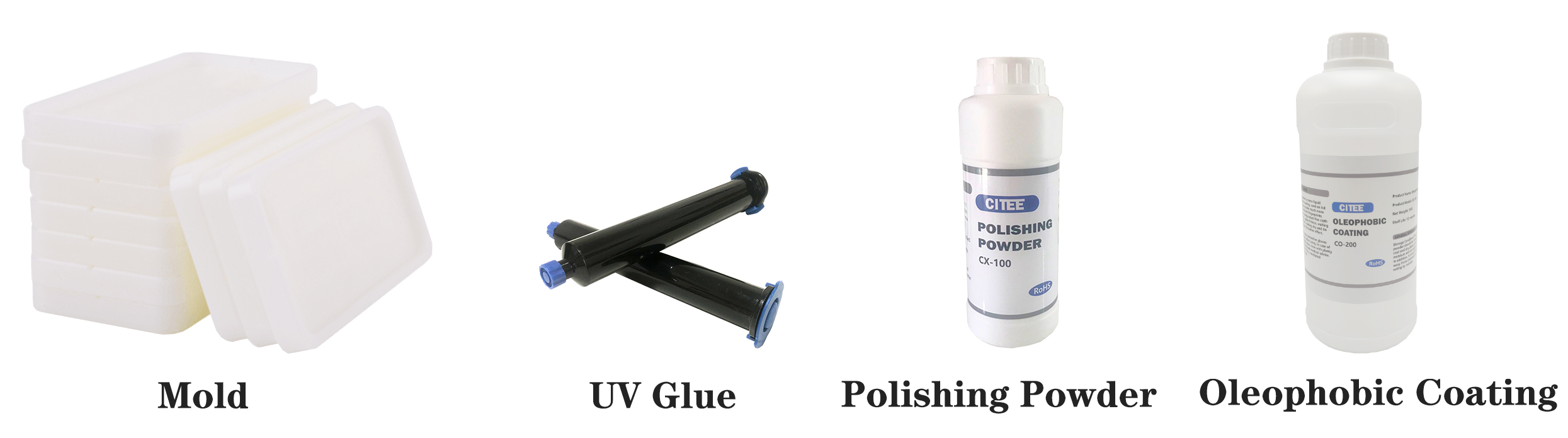
In a high-volume refurbishment facility, throughput capacity and consumables repurchase cost are your primary metrics. A single industrial polishing station can process dozens of units per shift, but only if calibrated correctly. The cost of consumables—such as cerium oxide powder, polishing films, and backing pads—must be factored into your per-unit cost.
By optimizing the pressure, speed, and slurry mixture, you extend the lifespan of your consumables. Over-application of polishing compound does not speed up the process; it merely increases your consumables repurchase cost and creates a messy work environment. Consistent, measured application ensures a uniform finish while keeping your operational expenses low.
Unit Cost Reduction Formula
To accurately project your savings, use the following formula to calculate your net profit per polished unit:
Net Profit per Unit = (Grade A Wholesale Price – Grade B Wholesale Price) – (Labor Cost per Unit + Consumable Cost per Unit + Machine Depreciation per Unit)
If the net profit is positive, the unit should be routed to the polishing line. If negative, it should be sold as-is or routed for a full screen replacement, depending on your current parts inventory.
Selection Checklist for Industrial Polishing Equipment
When upgrading your facility’s capabilities, selecting the right equipment is vital for long-term ROI. Use this checklist to evaluate potential machinery:
- Platen Size and Compatibility: Ensure the machine accommodates the specific dimensions of the smartphone models you process most frequently.
- Automation Level: Semi-automatic machines require more manual labor but offer lower initial capital expenditure. Fully automatic systems maximize throughput capacity but require a higher upfront investment.
- Consumable Ecosystem: Verify that the machine uses standardized, easily sourceable consumables to prevent vendor lock-in and keep your consumables repurchase cost competitive.
- Dust and Slurry Management: Industrial polishing generates fine glass dust and slurry. The equipment must have integrated extraction or easy-to-clean containment systems to maintain a safe factory environment.
Conclusion
Integrating glass restoration into your workflow is a strategic move that directly enhances your wholesale margins. By strictly limiting the process to light surface imperfections and accurately triaging incoming stock, you protect your equipment and your bottom line. Ultimately, mastering how to polish iphone screen scratches before resale transforms your scrap pile into a predictable, high-margin revenue stream.
Request a Formal Quotation
To understand how our industrial polishing solutions can integrate into your facility, we invite you to request a formal Proforma Invoice (PI). Please provide your company name, monthly refurbishment volume, target quantity for equipment, and whether you need matching consumables included in the quote. Our engineering team will review your requirements and provide a customized proposal.
No. Polishing is strictly designed to remove light surface scratches. It CANNOT fix deep cracks, shattered glass, or deeply fractured screens. Attempting to polish a cracked screen will worsen the damage and ruin the display assembly.
By removing light surface scratches, you can upgrade a device’s cosmetic grade from Grade B to Grade A. This allows you to sell the unit at a higher wholesale price without the high cost of a full screen replacement, directly increasing your profit margin per unit.
Standard operations require cerium oxide polishing powder or specialized polishing films, backing pads, and cleaning solutions. Tracking the lifespan of these materials is essential for calculating your true consumables repurchase cost and per-unit operational expense.
Technicians should perform a fingernail test. If the scratch is shallow and the nail does not catch, it is a surface scratch suitable for polishing. If the nail catches, or if the damage reaches the edges of the glass, it is a deep fracture requiring a full screen replacement.