
How to Restore Oleophobic Coating After Polishing iPhone: A B2B Guide
For wholesale refurbishment facilities and high-volume repair shops, understanding how to restore oleophobic coating after polishing iphone glass is critical for maintaining premium resale value. While mechanical polishing effectively removes light surface scratches, it inevitably strips the factory-applied anti-fingerprint layer. Reapplying this coating is not just an aesthetic choice; it is a mandatory step to reduce your scrap rate, increase unit yield, and maximize overall refurbishment ROI.
Setting the Baseline: What Polishing Can and Cannot Fix
Before integrating coating reapplication into your workflow, it is vital to establish clear quality control parameters for incoming inventory. In the used phone wholesale market, intake sorting dictates profitability. Our industrial polishing systems are engineered exclusively to fix light surface scratches, swirl marks, and micro-abrasions on glass screens. We must explicitly state that polishing CANNOT fix deep cracks, shattered glass, or deeply fractured screens. If a device has sustained structural impact damage, no amount of surface polishing will restore its integrity; those units must be routed for full screen replacement. Attempting to polish deep fractures will only generate glass dust, damage your machine pads, and ruin the underlying LCD or OLED matrix. However, for the vast majority of used phones that only suffer from cosmetic surface wear, precision polishing restores optical clarity and perfectly prepares the glass for the final coating stage.
How to Restore Oleophobic Coating After Polishing iPhone: The Industrial Process
Once the light surface scratches are removed, the glass is entirely bare. The friction from the polishing pads and abrasive compounds inevitably strips away the original factory oleophobic layer. Many facility managers ask how to restore oleophobic coating after polishing iphone screens at a commercial scale without relying on inefficient consumer methods. It is crucial to understand that consumer-grade DIY wipe-on kits are entirely unsuitable for high-volume B2B operations. They lack the chemical consistency, durability, and throughput speed required for wholesale refurbishment.
To achieve factory-grade results, the first step is a meticulous ultrasonic or plasma cleaning process to remove any residual polishing compound. Any leftover abrasive particles will compromise the adhesion of the new layer. Next, the application of a high-quality AR oleophobic anti-fingerprint coating liquid is required. When evaluating your supply chain, the consistency of the coating liquid is paramount. Inferior liquids will cure unevenly, leading to visual defects like rainbow effects or streaks under direct lighting, which immediately flags a device as refurbished and lowers its wholesale value.
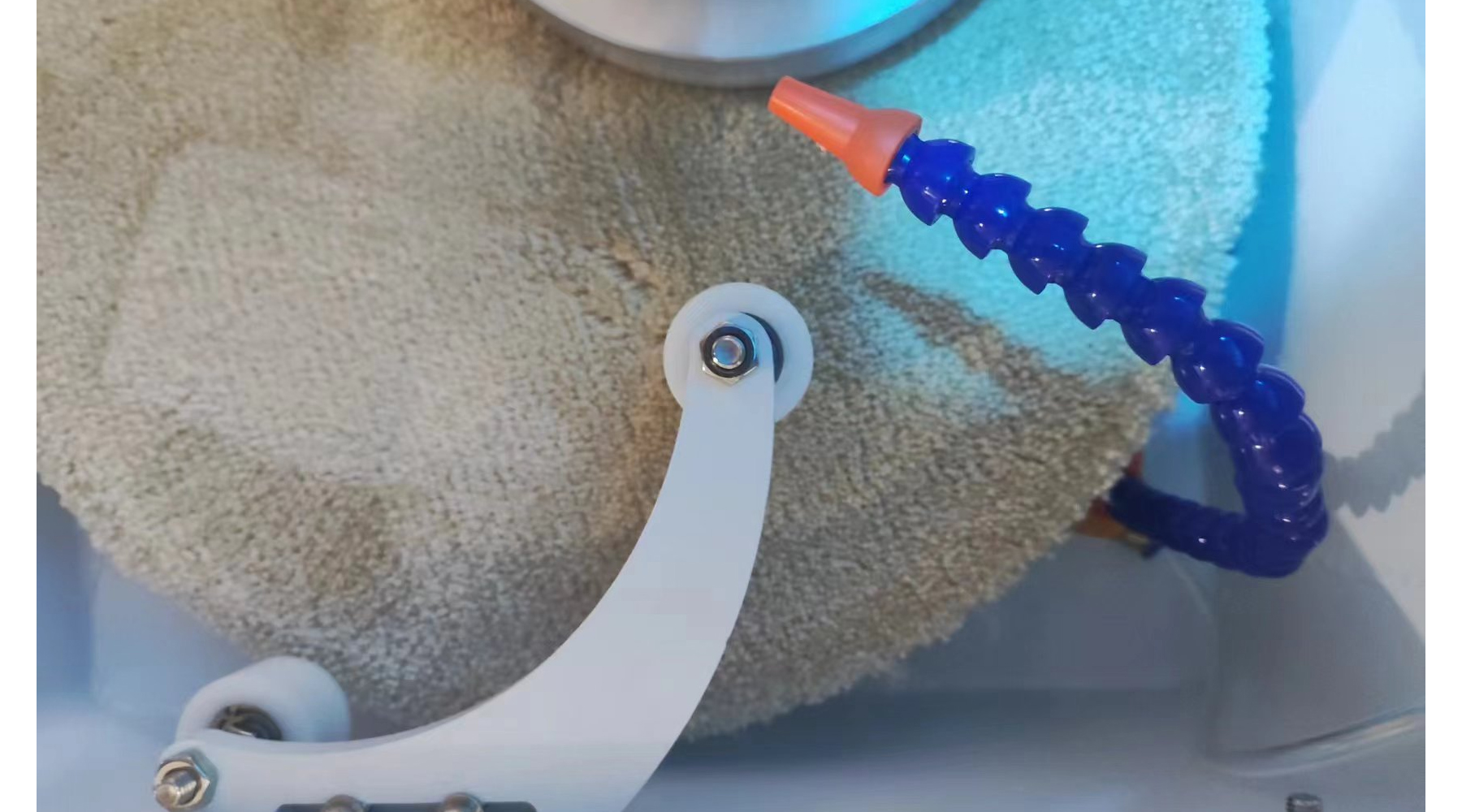
In a professional B2B environment, facilities should utilize automated spray or dipping machines combined with UV curing ovens. This ensures an even, nanometer-thick layer across the entire glass surface, restoring the hydrophobic properties necessary to pass strict quality assurance tests for water beading and fingerprint resistance.
Impact on Scrap Rate and Throughput Capacity
Integrating a dedicated coating station directly after your polishing line fundamentally transforms your operational economics. Without this step, polished screens feel rough to the touch and attract immediate fingerprint smudges. In the wholesale market, this leads to customer returns, downgraded wholesale pricing, or reclassification from A-stock to B-stock. By properly reapplying the coating, you elevate the perceived quality of the device, allowing you to command premium tier pricing.
Furthermore, optimizing this step significantly reduces your overall scrap rate. Units that might have been discarded due to “heavy cosmetic wear” can be salvaged if the wear is strictly limited to light surface scratches. This increases your throughput capacity, ensuring that more inventory moves through your facility as sellable stock rather than end-of-life scrap. Additionally, standardizing this process reduces labor variability. When operators rely on manual coating methods, the quality fluctuates shift-to-shift. Automated application eliminates human error, ensuring consistency across your entire production run. To fully understand the operational expenses tied to this workflow, reviewing our comprehensive guide on Polishing Consumables & Operating Cost will help you calculate the exact cost-per-unit and optimize your consumables repurchase cost for your specific production volume.
Selection Checklist for Refurbishment Facilities
| Operational Metric | Optimization Target | B2B Impact |
|---|---|---|
| Coating Adhesion | Plasma cleaning prior to application | Reduces delamination claims and warranty returns |
| Curing Time | Optimized UV cycle matching line speed | Eliminates bottlenecks and maximizes throughput capacity |
| Consumables Repurchase Cost | Bulk purchasing of coating liquids and pads | Lowers unit cost reduction and improves gross margin |
| Yield Rate | Strict intake sorting (surface scratches only) | Prevents wasted labor on deeply fractured, unpolishable screens |
Conclusion: Maximizing ROI Through Standardized Workflows
Ultimately, mastering how to restore oleophobic coating after polishing iphone glass is about standardizing your refurbishment workflow to protect and expand your profit margins. By strictly limiting polishing to light surface scratches and implementing an automated, high-quality coating reapplication process, you transform cosmetic defects into premium, high-yield inventory. This systematic approach guarantees consistent unit cost reduction, minimizes your scrap rate, and ensures every device leaving your factory meets the rigorous visual and tactile standards of top-tier global wholesalers.
Ready to optimize your refurbishment line and reduce your consumables repurchase cost? We invite you to request a formal PI tailored to your specific operation. Please provide your company name, monthly refurbishment volume, target quantity, and whether you need matching consumables. Our engineering team will analyze your requirements and deliver a customized proposal to maximize your facility’s ROI.
No. Our equipment is designed exclusively to fix light surface scratches and micro-abrasions. Polishing cannot fix deep cracks or shattered glass. Deeply fractured screens require complete replacement.
The mechanical friction used to remove light surface scratches strips away the factory-applied anti-fingerprint layer. Reapplying the coating is mandatory to restore hydrophobic properties, ensure quality assurance compliance, and maintain premium wholesale resale value.
By successfully refurbishing devices with light surface wear, you prevent them from being discarded as cosmetic scrap. This increases your overall yield, maximizes throughput capacity, and directly improves your gross profit margin per unit.
No. Consumer wipes lack the chemical consistency, durability, and application speed required for B2B operations. High-volume facilities must use industrial-grade AR oleophobic anti-fingerprint coating liquid applied via automated spray or dipping systems with UV curing.
The cost-per-unit depends on your consumables repurchase cost, machine depreciation, and labor. You can evaluate these metrics by reviewing our Polishing Consumables & Operating Cost guide, or by requesting a formal PI with your monthly volume data for a customized analysis.