
iPhone Screen Repair vs Polish for Refurbishers: When to Do Which
In the high-volume secondary market, maximizing yield per unit is critical for factory owners and wholesalers. Understanding the iphone screen repair vs polish for refurbishers when to do which is essential for minimizing scrap rates and optimizing throughput capacity. This operational guide breaks down the exact technical thresholds for deciding between full glass replacement and surface polishing to ensure maximum ROI on every device processed.
Evaluating the iphone screen repair vs polish for refurbishers when to do which
For B2B refurbishment facilities, the decision between replacing a screen assembly and polishing the existing glass dictates your profit margins. The core distinction lies in the depth and nature of the damage.
It is critical to state upfront: polishing CANNOT fix deep cracks or shattered glass — it is only effective for light surface scratches. If the structural integrity of the glass is compromised, or if the damage extends into the LCD/OLED matrix, full replacement is the only viable operational choice. However, if the device suffers from micro-abrasions, light scuffs, or superficial wear from standard use, polishing is the superior method for unit cost reduction.
When to Route to Screen Replacement (Repair)
Full screen replacement involves separating the damaged glass from the digitizer and LCD/OLED panel, then bonding a new glass layer. This process is mandatory when:
- The glass exhibits deep fractures, spiderweb cracking, or shattered fragments.
- There is structural compromise that could lead to glass splintering during handling.
- Touch functionality is impaired due to impact damage transferring to the digitizer.
- The device has suffered water ingress through a broken screen.
While replacement restores the device to factory specifications, it carries a high parts cost. For wholesale operations, purchasing high-quality OEM or premium aftermarket assemblies significantly impacts your baseline unit cost. Therefore, replacement should be strictly reserved for units where the wholesale margin can absorb the parts expense.
When to Choose Glass Polishing
Glass polishing is a mechanical abrasion process that removes a microscopic layer of the original glass to eliminate surface imperfections. This route is ideal when:
- The screen has light surface scratches, hairline scuffs, or sanding marks.
- The original OEM glass is intact, and touch functionality is 100% operational.
- You want to retain the original factory oleophobic coating base (before reapplication).
- The goal is to elevate a B-grade unit to A-grade wholesale status without the cost of a new assembly.
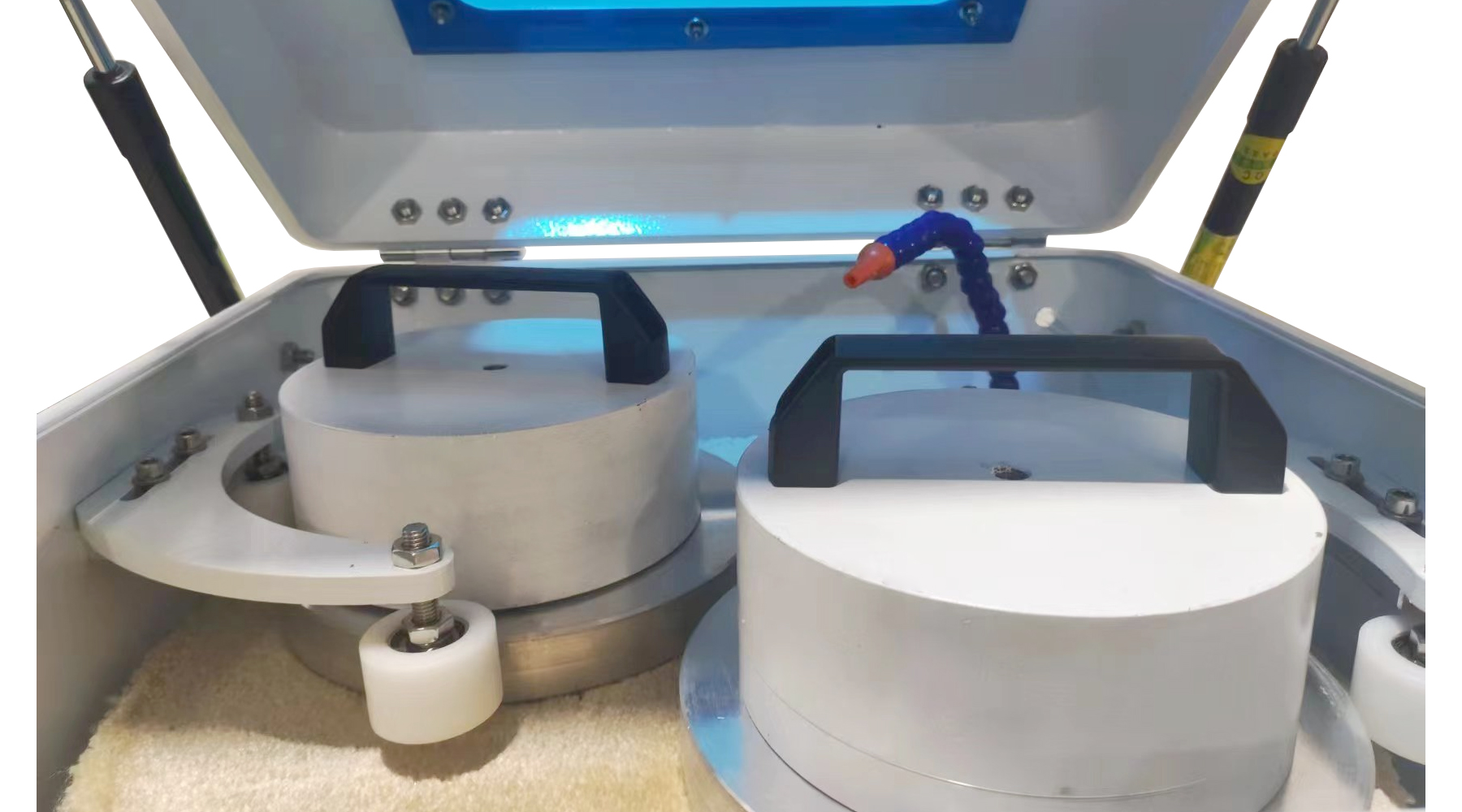
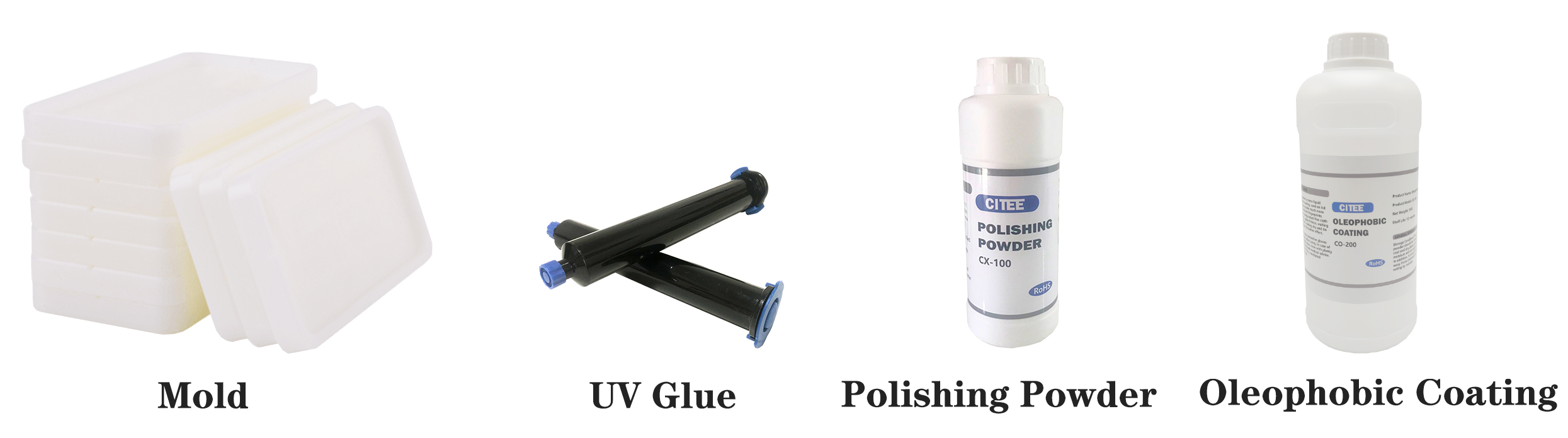
By utilizing industrial polishing equipment, factories can process high volumes with consistent throughput capacity. The key to profitability here is managing your consumables repurchase cost—specifically polishing pads, cerium oxide slurry, and masking materials.
The Economics: Unit Cost Reduction and Scrap Rate
The financial impact of choosing the right method is profound. When you polish a lightly scratched screen instead of replacing the entire assembly, you eliminate the cost of the new glass and the labor-intensive lamination process.
For a detailed breakdown of how these operational choices affect your bottom line, utilize our refurbishment ROI calculator to model your specific facility metrics.
Reducing your scrap rate is equally important. By salvaging units that would otherwise be discarded due to cosmetic flaws, you directly increase your yield. However, this requires strict intake triage. Misrouting a deeply cracked screen to the polishing line will result in wasted labor, wasted consumables, and a ruined device, ultimately increasing your scrap rate.
Operational Selection Checklist
Use the following matrix to train your intake technicians on routing decisions:
| Damage Type | Recommended Process | Impact on Unit Cost |
|---|---|---|
| Deep cracks / Shattered glass | Full Screen Replacement | High (Parts + Labor) |
| Light surface scratches | Glass Polishing | Low (Consumables only) |
| Touch dysfunction + scratches | Full Screen Replacement | High (Parts + Labor) |
| Micro-abrasions / Scuffs | Glass Polishing | Low (Consumables only) |
Conclusion
Ultimately, mastering the iphone screen repair vs polish for refurbishers when to do which ensures your facility operates at peak profitability. By strictly limiting polishing to light surface scratches and reserving full replacements for deep structural damage, you optimize your throughput capacity and minimize unnecessary parts expenditure. This disciplined approach to triage and processing is what separates high-margin industrial refurbishers from low-yield repair shops.
To discuss your specific operational requirements and request a formal PI, please provide your company name, monthly refurbishment volume, target quantity, and whether you need matching consumables. Our engineering team will tailor a solution that aligns with your production goals.
No. Polishing CANNOT fix deep cracks or shattered glass — it is strictly designed to remove light surface scratches and micro-abrasions. Deep structural damage requires full screen replacement.
Polishing restores optical clarity by removing superficial wear, allowing units to be upgraded from B-stock to A-stock grading. This significantly increases the wholesale resale margin without the high parts cost of a full assembly replacement.
The primary ongoing costs are consumables repurchase costs, which include polishing pads, cerium oxide slurry, and masking materials. While there is an initial capital expenditure for the machinery, the per-unit consumable cost is vastly lower than purchasing replacement screen assemblies.
Intake staff must be trained to distinguish between structural damage and cosmetic wear. Any device with deep fractures, shattered fragments, or touch dysfunction must be routed to screen replacement. Only devices with intact glass and light surface scratches should be routed to the polishing line.