
Is Screen Polishing Safe for OLED LCD Panels? A B2B Guide to Surface Scratch Removal
As mobile device refurbishment scales globally, factory owners and repair shop managers frequently ask: is screen polishing safe for OLED LCD panels? When processing high volumes of used smartphones, distinguishing between light surface scratches and deep structural damage is critical for profitability. This guide explores the technical realities of glass polishing, helping B2B operators optimize their throughput, reduce scrap rates, and maximize return on investment without compromising display integrity.
Understanding the Limits: What Polishing Can and Cannot Fix
Before integrating any glass restoration process into your refurbishment line, it is imperative to set strict operational boundaries. Industrial screen polishing is strictly designed to remediate light surface scratches, micro-marring, and superficial scuffs on the outer glass layer. It is crucial to explicitly state that polishing CANNOT fix deep cracks, shattered glass, or deeply fractured screens. Attempting to polish a structurally compromised panel will not only fail to restore the display but will also void any warranty and damage your facility’s reputation. For deeply fractured screens, the only viable B2B solution is complete glass or display module replacement. By strictly limiting polishing operations to light surface defects, factories can significantly lower their scrap rate and recover value from inventory that would otherwise be discarded or sold at a massive discount to secondary markets.
Is Screen Polishing Safe for OLED LCD Panels? The Technical Reality
Addressing the core question: is screen polishing safe for OLED LCD panels? The answer is yes, provided the process is executed using calibrated, industrial-grade equipment rather than manual or DIY techniques. OLED and LCD panels consist of multiple layers, with the outermost being a hardened glass cover. The polishing process removes a microscopic, highly controlled layer of this glass to level the surface and eliminate light scratches.
The safety of the underlying OLED or LCD matrix depends entirely on pressure distribution, rotational speed, and thermal management. Unregulated manual polishing can generate excessive friction heat, potentially damaging the polarizer or the organic compounds in an OLED panel. Conversely, automated B2B machinery utilizes precision pneumatic pressure and specialized lubricants to keep temperatures within safe thresholds. When managed correctly, the structural and visual integrity of the OLED or LCD panel remains completely unaffected, allowing you to confidently process high-value flagship devices.
Standard Operating Procedures for Damage Triage
To maintain the safety of OLED and LCD panels, your facility must implement rigorous damage triage protocols. Before any device enters the polishing station, technicians must inspect the glass under high-intensity LED lighting. Devices exhibiting any hairline fractures, corner impacts, or deep gouges must be immediately routed to the screen replacement line. Only devices with uniform, light surface scratching should be approved for polishing. This strict segregation ensures that the mechanical stress of the polishing pad never exacerbates hidden micro-fractures, thereby protecting your profit margins from unexpected breakage during the refurbishment cycle.
Optimizing Throughput and Unit Costs in Refurbishment
For wholesale used phone distributors and large repair centers, the primary metric of success is unit cost reduction and overall throughput capacity. Integrating a dedicated polishing station transforms your cost structure. Instead of writing off a phone with a scratched screen as a lower-grade device, or paying a premium for a full screen replacement, you can elevate it to top-tier condition for a fraction of the cost.
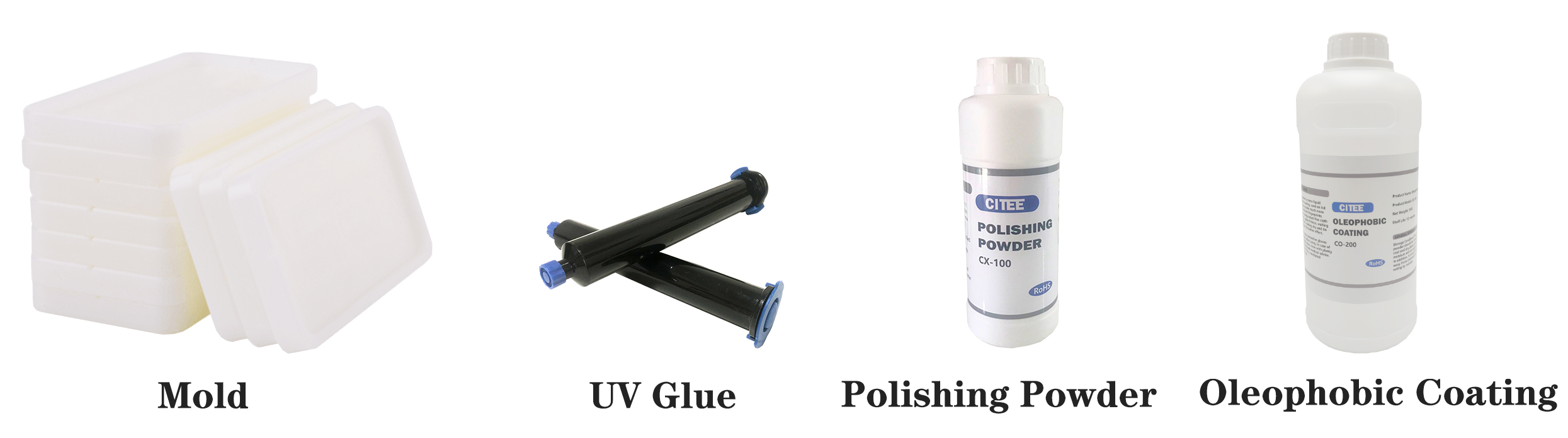
To understand the full financial impact, review our comprehensive Refurbishment ROI & Process guide. The savings compound when you factor in the consumables repurchase cost. High-quality polishing films and compounds are consumed per unit, but their per-unit cost is vastly lower than sourcing replacement OLED or LCD glass.
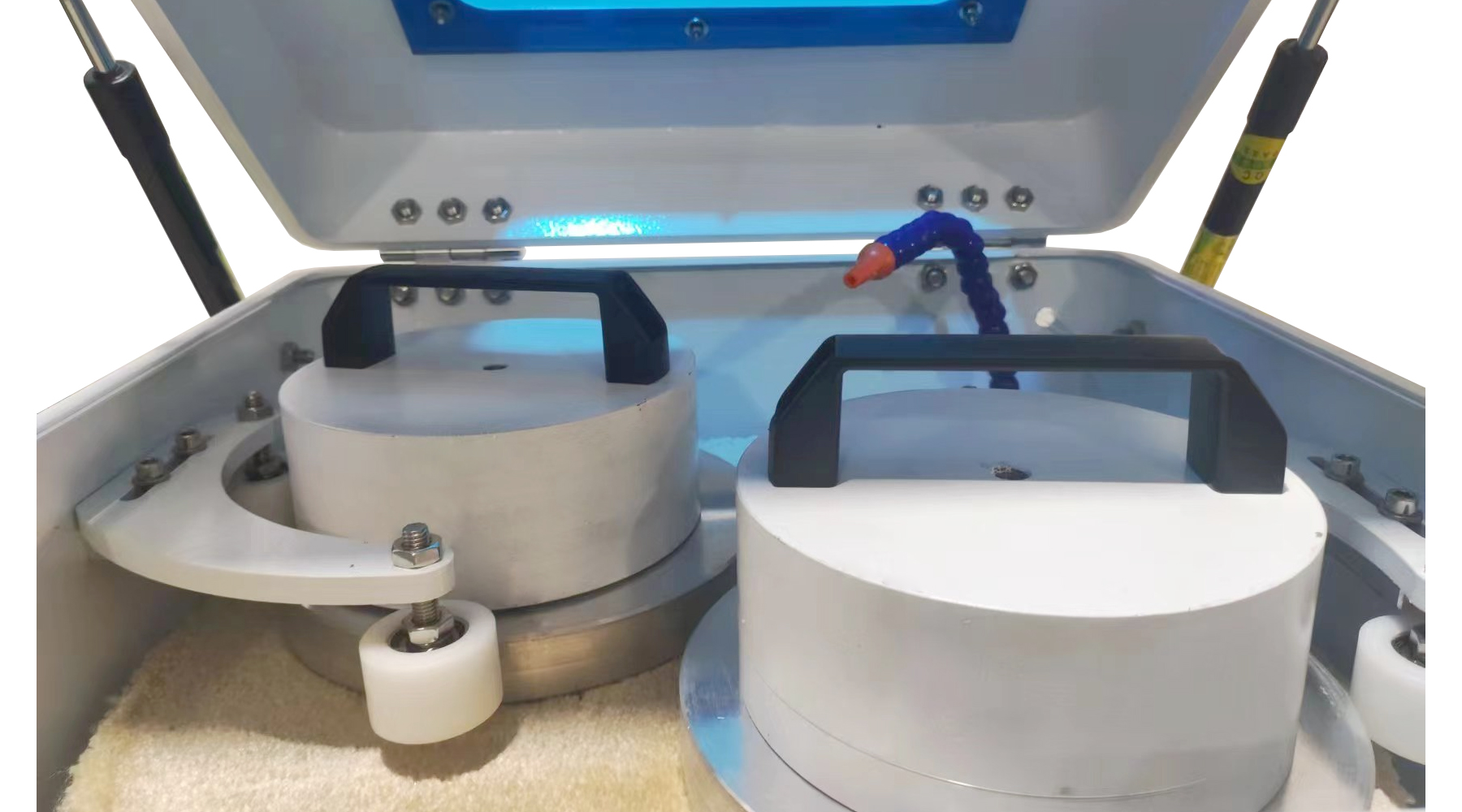
For independent repair shops or smaller facilities looking to integrate this process, the CPM-001 Screen Polishing Machine offers an optimal entry point. Designed as a single-station machine, it provides the precise pneumatic control necessary to ensure the process remains safe for delicate OLED LCD panels without requiring the massive footprint of multi-station factory lines.
Selection Checklist for B2B Polishing Operations
When evaluating equipment and processes for your facility, use the following checklist to ensure operational safety and maximum ROI.
| Operational Factor | B2B Requirement for OLED/LCD Safety |
|---|---|
| Pressure Control | Must utilize calibrated pneumatic systems to prevent glass fracture or LCD matrix damage. |
| Thermal Management | Requires integrated cooling or precise lubrication to prevent heat transfer to OLED organic layers. |
| Damage Triage | Strict SOPs must be in place to reject deep cracks; only process light surface scratches. |
| Consumables Sourcing | Establish a reliable supply chain for polishing films to maintain consistent unit economics. |
Conclusion
Ultimately, when factory operators ask if screen polishing is safe for OLED LCD panels, the consensus in the professional refurbishment industry is a confident yes—strictly for light surface scratches. By investing in precision equipment and enforcing strict damage triage protocols, B2B businesses can drastically reduce scrap rates, improve unit economics, and increase overall throughput. To get a precise quote tailored to your operation’s scale, please reach out to request a formal PI. When contacting us, ensure you provide your company name, monthly refurbishment volume, target quantity, and whether you need matching consumables included in the proposal.
No. Polishing is strictly limited to light surface scratches. It cannot fix deep cracks, shattered glass, or deeply fractured screens. Structurally damaged panels require full module replacement.
Yes, the polishing process removes the factory oleophobic coating along with the micro-scratches. B2B operators typically apply a new aftermarket oleophobic coating as a final step in the refurbishment process.
Industrial machines like the CPM-001 use precise pneumatic pressure and controlled speeds to prevent excessive friction heat and physical stress, ensuring the delicate internal layers of OLED and LCD panels remain completely safe.
Consumables costs vary based on the depth of the scratches and the specific films used. To get exact unit economics and consumables pricing for your specific volume, please request a formal PI with your company details.