
Mastering the Setup for Polishing Apple Watch Curved Screens with Precision Molds
In the high-volume refurbished electronics market, achieving a flawless finish on wearable devices is critical for maximizing profit margins. When configuring your production line for polishing apple watch curved screens setup molds, precision and repeatability are your most valuable assets. Factory owners and repair shop managers know that wearable glass presents unique challenges due to its continuous curved edges. Properly integrating specialized holding jigs with your polishing equipment ensures consistent surface scratch removal without altering the device’s structural integrity. This guide outlines the operational workflows, ROI factors, and equipment selection required to optimize your wearable refurbishment throughput.
Why Precision Matters When Polishing Apple Watch Curved Screens Setup Molds
Wearable devices like the Apple Watch feature complex 2.5D and 3D curved glass geometries. Unlike flat smartphone screens, the continuous curvature of a smartwatch display means that standard flat polishing platens will apply uneven pressure. This uneven pressure can lead to edge rounding, optical distortion, or incomplete scratch removal.
This is exactly why polishing apple watch curved screens setup molds are indispensable for B2B refurbishment operations. These precision-machined jigs hold the device chassis at the exact microscopic angle required for the polishing pad to maintain uniform contact across the entire curved surface. By securing the device rigidly, operators eliminate human error and vibration, ensuring that only the microscopic surface layer is removed.
It is critical to note that this mechanical polishing process is strictly designed for light surface scratches. Polishing cannot fix deep cracks, shattered glass, or deeply fractured screens. If a unit has sustained deep structural damage, the glass must be replaced entirely; no amount of surface polishing will restore a shattered display.
The Refurbishment Workflow: From Intake to Final Polish
To maximize throughput and minimize scrap rates, your factory floor must follow a strict, standardized workflow.
- Triage and Sorting: Incoming inventory must be inspected under high-intensity LED lighting. Units with light surface scuffs are routed to the polishing line. Units with deep cracks are immediately routed to glass replacement or parted out.
- Fixturing: Operators place the Apple Watch into the specialized holding molds. The mold contours perfectly to the device’s edges, protecting the bezel and chassis from accidental abrasion during the polishing cycle.
- The Polishing Cycle: The fixtured device is mounted to the machine. The operator applies the appropriate polishing compound and initiates the cycle. The machine’s automated pressure and speed settings ensure a uniform finish.
- Post-Polish Cleaning and QA: After polishing, the device is removed from the mold and cleaned using ultrasonic or specialized wiping techniques to remove all compound residue. A final optical inspection verifies that all light surface scratches have been eliminated.

Equipment Selection: Matching Molds to Multi-Station Machines
Selecting the right equipment is a balance between initial capital expenditure and long-term unit cost reduction. For a comprehensive overview of your primary equipment options, review our Screen Polishing Machines Buying Guide to calculate your expected refurbishment ROI.
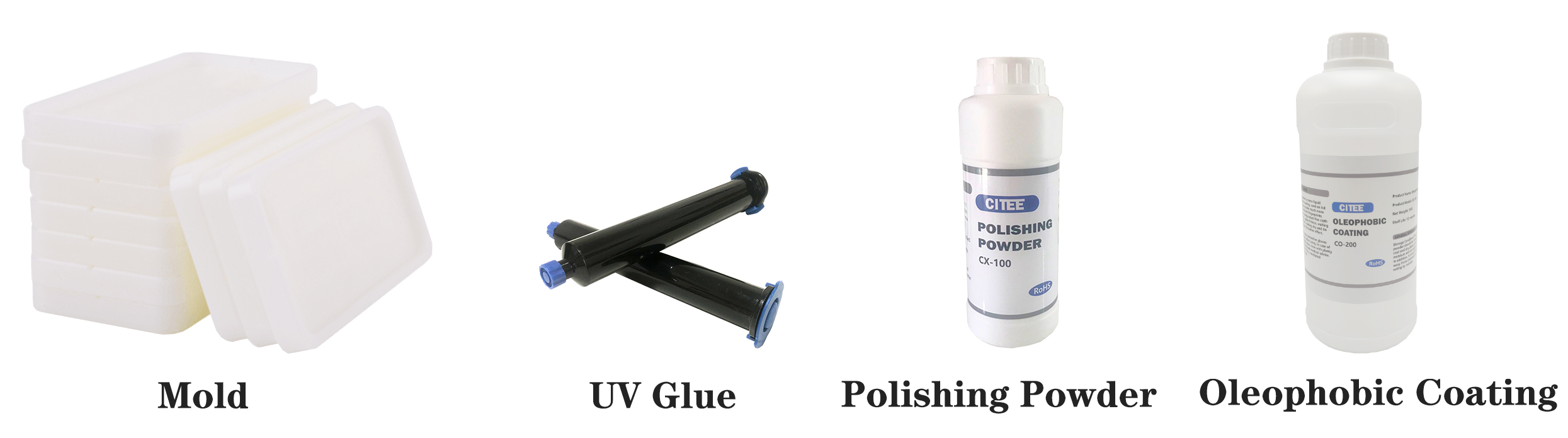
The foundation of your setup relies on the jigs. To secure these delicate devices, operators must utilize model-specific phone holding molds that perfectly contour to the Apple Watch chassis. Using generic or poorly machined molds will result in high scrap rates due to edge damage.
For large-scale factories and high-throughput repair centers, manual single-station machines become a bottleneck. Upgrading to a CPM-004/CPM-008 screen polishing machine provides 4 or 8 automated stations with a built-in compressor. This integrated design eliminates the need for external air lines, saving valuable factory floor space and drastically reducing setup time. By processing multiple units simultaneously, you significantly lower your labor cost per unit and increase daily throughput capacity.
Cost and Optimization Formula for Wearable Refurbishment
When evaluating the addition of wearable polishing to your production line, use the following optimization formula to project your ROI:
Refurbishment ROI Formula:
(Savings per Unit) = (Cost of Replacement Glass + Labor for Replacement) – (Cost of Polishing Consumables + Amortized Machine Cost per Unit)
(Monthly Net Profit Increase) = (Savings per Unit) x (Monthly Units Processed) – (Monthly Scrap Cost)
Key Variables to Optimize:
– Consumables Repurchase Cost: Monitor polishing pad and compound usage per unit to prevent margin erosion.
– Scrap Rate: Keep below 2% by ensuring molds are cleaned and replaced when worn.
– Throughput Capacity: Maximize machine utilization by batching similar models together.
Conclusion and Next Steps
Integrating precision tooling into your wearable repair line is a proven strategy for reducing unit costs and increasing profit margins. By standardizing your approach to polishing apple watch curved screens setup molds, you ensure consistent, high-quality results that meet the demands of wholesale buyers and retail partners. Remember, this process is exclusively for light surface scratches; deeply fractured screens require full replacement.
To request a formal PI and get exact pricing for your operation, please provide your company name, monthly refurbishment volume, target quantity, and whether you need matching consumables. Our engineering team will tailor a solution that aligns with your throughput goals and budget.
No. Polishing is strictly for light surface scratches. It cannot fix deep cracks, shattered glass, or deeply fractured screens. Units with deep structural damage require full glass replacement.
Precision setup molds allow for rapid, repeatable loading and unloading of devices. They eliminate the need for manual alignment during the polishing cycle, significantly reducing handling time per unit and increasing daily factory throughput.
You will need specific polishing pads, polishing compounds, and cleaning solutions. Monitoring the repurchase cost of these consumables per unit is critical for maintaining your profit margins.
To request a formal Proforma Invoice (PI), please provide your company name, monthly refurbishment volume, target quantity, and whether you need matching consumables. We do not publish fixed prices online as configurations vary by factory needs.