
Understanding the Polishing Back Glass Camera Lens Feasibility Limits for Refurbishment
For B2B refurbishment facilities and wholesale repair shops, evaluating the polishing back glass camera lens feasibility limits is critical for maintaining profitability. When processing high volumes of used devices, distinguishing between light surface scratches and deep structural damage dictates your scrap rate and overall ROI. Understanding these operational boundaries ensures your facility does not waste labor and consumables on unrepairable units, thereby optimizing your throughput capacity.
Defining the polishing back glass camera lens feasibility limits
In the secondary electronics market, optical clarity is a primary driver of resale value. However, mechanical polishing is not a universal cure for all glass damage. It is imperative for factory owners and repair shop managers to state clearly to their operations teams: polishing CANNOT fix deep cracks, shattered glass, or deeply fractured screens. The process is strictly limited to removing light surface-level scratches on glass screens and camera lenses.
When a device arrives at your intake station, operators must utilize proper lighting and magnification to assess the damage depth. A light surface scratch typically resides in the top few microns of the glass coating or the glass itself. These can be effectively leveled out using specialized abrasive compounds and polishing pads. Conversely, if a fingernail catches on the defect, or if the fracture extends through the structural integrity of the glass, it is classified as deep damage. Attempting to polish a deep crack will not only fail to restore the glass but will also generate micro-fractures, rendering the unit entirely unsalvageable.
Operational Impact on Scrap Rates and Unit Cost
Misdiagnosing the feasibility of a repair directly inflates your scrap rate. If an operator spends 15 minutes attempting to polish a deeply fractured camera lens, that is 15 minutes of lost throughput capacity. Furthermore, the abrasive compounds and polishing films consumed during this futile attempt represent a direct loss in unit cost reduction efforts.
By strictly adhering to the operational limits of surface scratch repair, your facility can implement a rapid triage system. Units with light surface scratches are routed to the polishing line, while deeply damaged units are immediately flagged for glass replacement or parted out. For a comprehensive breakdown of how to integrate this triage into your workflow, consult our screen polishing machine guide to align your equipment capabilities with your intake volume.
Scaling Throughput with the Right Equipment
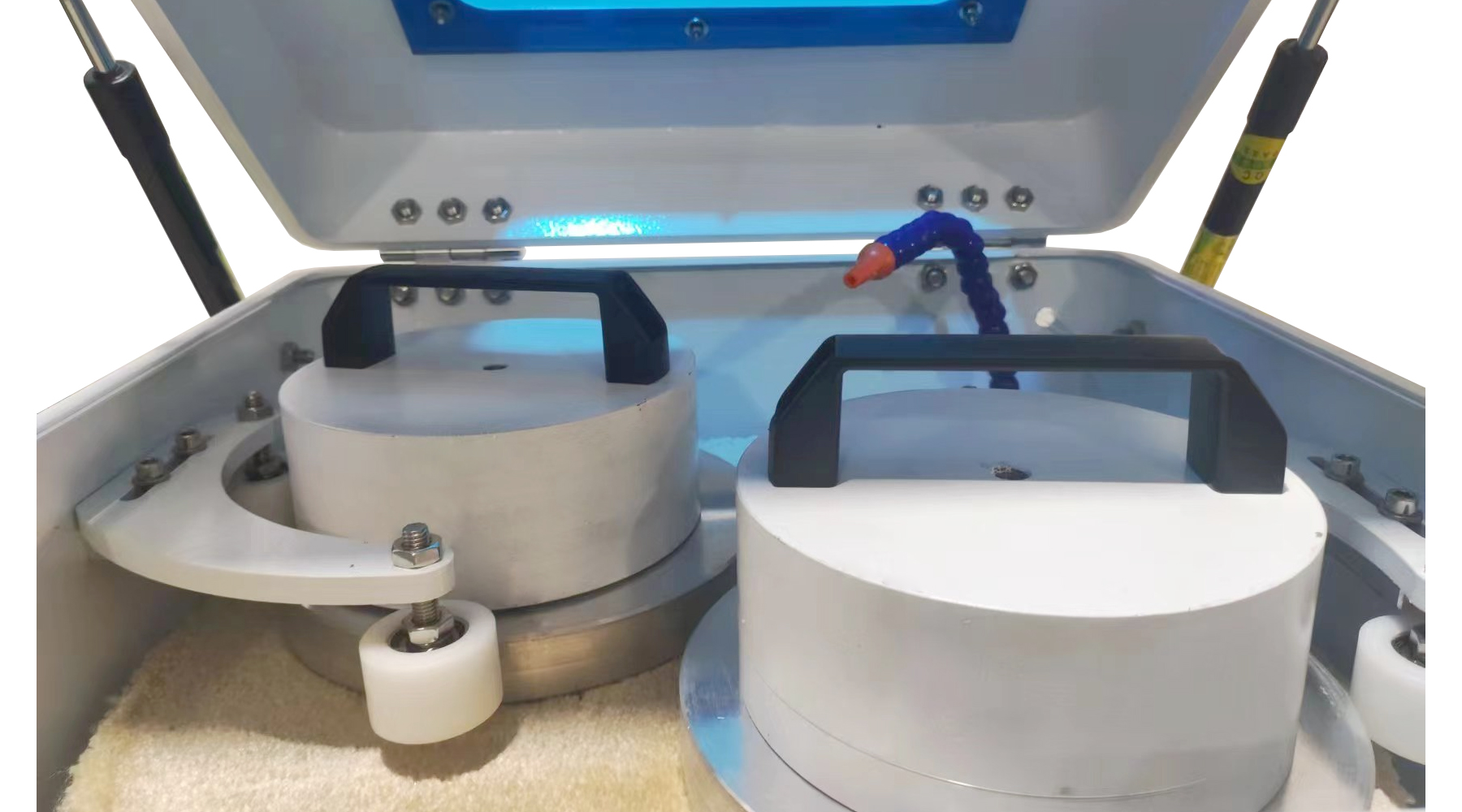
High-volume refurbishment requires machinery that can handle continuous operational cycles without bottlenecking. For large shops and factories, manual or single-station polishing is insufficient. You need multi-station equipment that allows multiple operators to work simultaneously while maintaining consistent pressure and speed.
The CPM-004/008 Screen Polishing Machine is engineered specifically for this scale. Featuring 4 or 8 independent stations and a built-in compressor, it eliminates the need for external air supply management and ensures uniform polishing pressure across all units. This built-in compressor design significantly reduces setup time and maintenance overhead, allowing your facility to maximize daily throughput capacity while keeping the unit cost per refurbished device exceptionally low.
Consumables Repurchase Cost and ROI Optimization
A critical component of refurbishment ROI is the ongoing consumables repurchase cost. Polishing pads, abrasive compounds, and protective films degrade with use. The rate of degradation depends heavily on the hardness of the glass being processed and the depth of the surface scratches.
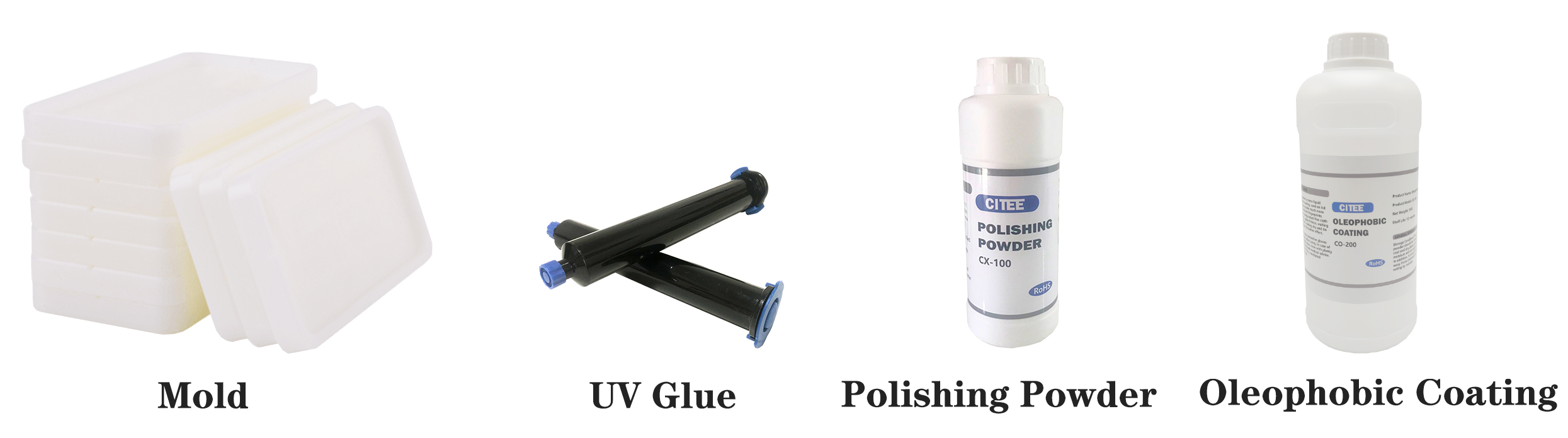
To optimize your consumables budget, track the lifecycle of your pads and compounds per batch. If you notice a sudden drop in pad lifespan, it may indicate that your intake team is failing to filter out deeply damaged units, causing the polishing pads to wear out prematurely against deep fractures rather than light surface scratches. Maintaining strict feasibility limits protects your consumables budget and ensures predictable repurchase cycles.
B2B Refurbisher Selection Checklist
Equipment & Process Selection Checklist:
- Intake Triage: Do operators have magnification tools to differentiate light surface scratches from deep cracks?
- Throughput Capacity: Does your current machine setup match your monthly refurbishment volume, or is it creating a bottleneck?
- Consumables Tracking: Are you monitoring pad and compound lifespan to forecast monthly repurchase costs accurately?
- Scrap Rate Analysis: Is your scrap rate for glass components trending downward after implementing strict surface-only repair protocols?
Conclusion
Ultimately, mastering the polishing back glass camera lens feasibility limits is what separates profitable B2B refurbishers from those struggling with high scrap rates and inflated operational costs. By restricting your polishing operations strictly to light surface scratches and immediately routing deeply fractured or shattered glass to replacement channels, you protect your labor, your consumables, and your profit margins. Equip your facility with the right multi-station machinery and enforce rigorous intake triage to maximize your throughput capacity.
To request a formal PI for your facility, please provide your company name, monthly refurbishment volume, target quantity, and whether you need matching consumables. Our engineering team will tailor a solution to optimize your specific operational requirements.
No. Polishing is strictly limited to light surface scratches. It cannot fix deep cracks, shattered glass, or structural fractures. Attempting to polish deep damage will only ruin the consumables and waste operational time.
It prevents operators from wasting labor and consumables on unrepairable units. By quickly triaging deep damage away from the polishing line, you directly reduce your scrap rate, save consumables, and optimize overall throughput capacity.
For large factories and shops, multi-station equipment like the CPM-004/008 is ideal. It offers 4 or 8 stations with a built-in compressor to maximize daily throughput and ensure consistent polishing pressure across multiple units.
Consumables usage depends on scratch depth and glass hardness. We recommend tracking pad and compound usage per unit batch. If pad lifespan drops suddenly, it usually indicates deep damage is bypassing intake triage, which increases your repurchase costs.