
Understanding the Limits of Polishing iPhone 15 16 Pro Ceramic Shield Screen Scratches for B2B Refurbishment
As a factory owner or wholesale refurbisher, evaluating the polishing iphone 15 16 pro ceramic shield screen scratches limits is critical for maximizing your unit profit margins. When processing high-value inventory, distinguishing between light surface abrasions and deep structural damage dictates your scrap rate and overall throughput. This guide breaks down the technical boundaries of glass restoration, ensuring your operation only invests in viable units while optimizing consumables repurchase costs and operational ROI.
Defining the Boundaries: Polishing iPhone 15 16 Pro Ceramic Shield Screen Scratches Limits
The Ceramic Shield glass used in recent flagship models is engineered for high impact resistance. However, this same hardness means that when surface abrasions do occur, they require precise, multi-stage industrial restoration. Understanding the exact operational limits of this process is what separates profitable refurbishment centers from those that accidentally destroy viable inventory.
What Polishing CAN Fix: Light Surface Abrasions
Industrial polishing is strictly designed to remediate light surface scratches, micro-marring, and hologram effects caused by improper cleaning or minor contact with abrasive materials. By utilizing calibrated diamond suspensions and precision polishing films, your technicians can safely remove the microscopic top layer of the glass. This restores optical clarity and allows the unit to be graded as A-stock, significantly increasing the resale value without the CAPEX of a full screen replacement.
What Polishing CANNOT Fix: Deep Fractures and Shattered Glass
It is a critical operational rule: polishing CANNOT fix deep cracks, shattered glass, or deep gouges that catch a fingernail. Attempting to polish deep damage will not only fail to remove the defect but will also generate micro-fissures, compromise the structural integrity of the Ceramic Shield, and ruin the optical clarity of the display. If a screen is deeply fractured, it must be routed to the LCD/OLED replacement line, not the polishing bay.
Scaling Throughput with the Right Equipment
For high-volume B2B operations, manual or single-head polishing machines create a bottleneck that destroys unit economics. To maintain high throughput capacity and consistent yield rates, facilities must upgrade to automated, multi-station equipment.
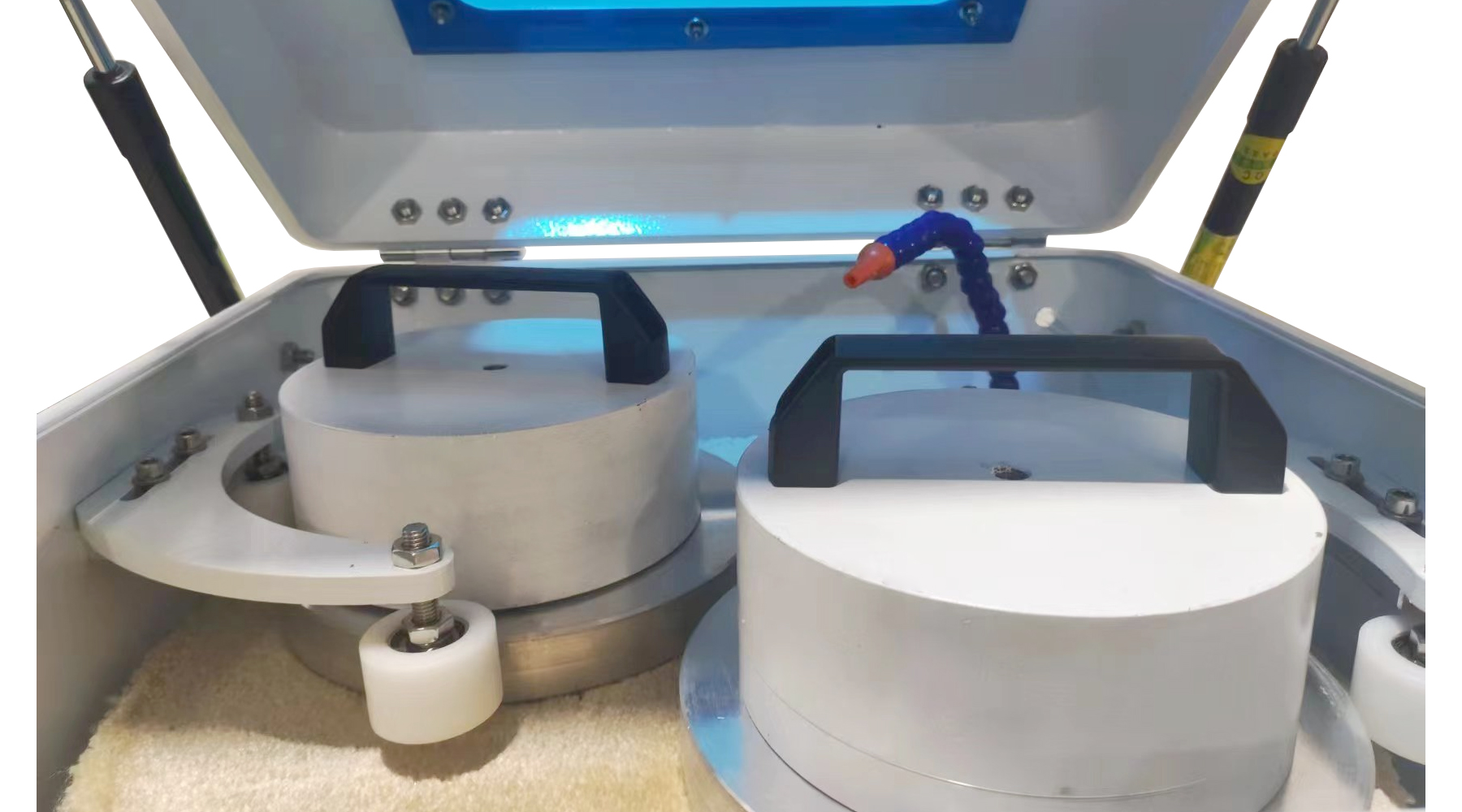
The CPM-004/008 Screen Polishing Machine is engineered specifically for large shops and factories. Featuring 4 or 8 independent stations and a built-in compressor, this system allows multiple technicians to process units simultaneously. This parallel processing drastically reduces labor cost per unit and ensures that your polishing line can keep pace with your intake volume.
Training and Standard Operating Procedures
Even the most advanced machinery will fail to deliver ROI if operators are not properly trained. Establishing strict SOPs for damage triage is the first step. Technicians must be trained to use calibrated lighting to accurately assess scratch depth before a unit ever reaches the polishing bay. Furthermore, standardizing the pressure applied during the polishing phase ensures uniform material removal, preventing edge-to-edge thickness variations that could affect the final assembly and touch sensitivity.
Refurbishment ROI and Cost Optimization
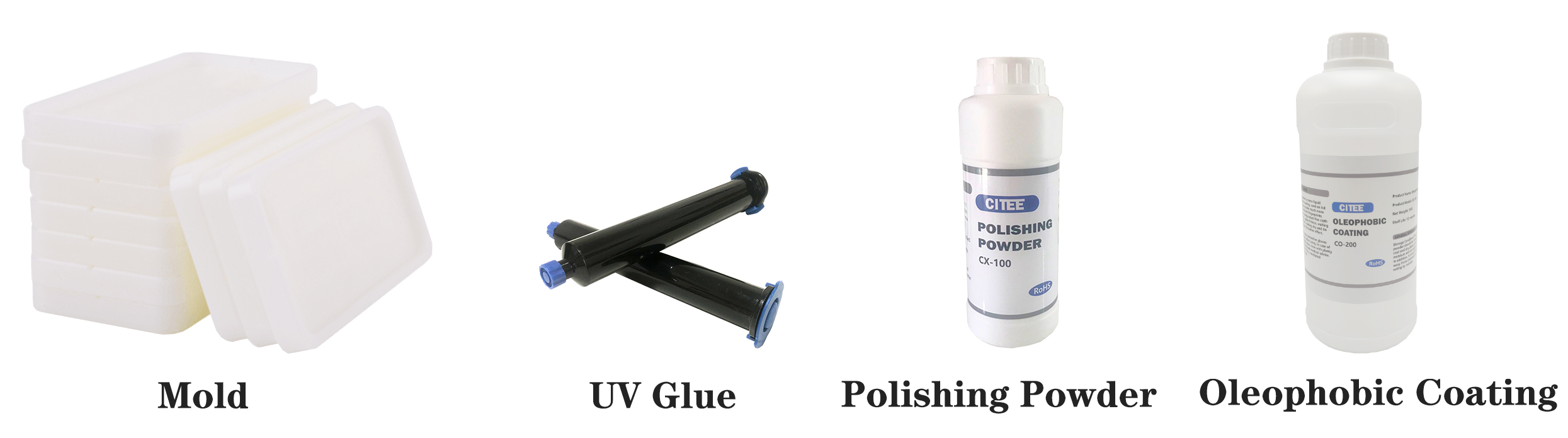
Maximizing ROI in glass restoration requires strict control over OPEX, specifically consumables repurchase cost. Diamond paste, polishing pads, and protective films degrade with use. Tracking the cost-per-unit of these materials is essential. For a comprehensive breakdown of how to calculate your true margins, review our Refurbishment ROI & Process guide.
B2B Selection Checklist for Glass Restoration:
1. Damage Assessment: Is the scratch visible only under direct light? (Yes = Polishable. No = Scrap/Replace).
2. Fingernail Test: Does your fingernail catch in the groove? (Yes = Deep damage, do not polish).
3. Throughput Requirements: Do you process >200 units/month? (Yes = Upgrade to 4/8 station machines).
4. Consumables Tracking: Are you monitoring diamond paste and film wear rates per unit?
Conclusion
Understanding the polishing iphone 15 16 pro ceramic shield screen scratches limits ensures your facility maintains high profitability without risking equipment damage or customer returns. By strictly limiting polishing to light surface scratches and investing in high-throughput machinery, your factory can drastically reduce scrap rates and maximize the yield of every incoming batch.
To request a formal PI and discuss how our equipment can reduce your unit cost, please provide your company name, monthly refurbishment volume, target quantity, and whether you need matching consumables.
No. Polishing can only fix light surface scratches. It cannot fix deep cracks, shattered glass, or deep fractures.
Ceramic Shield is highly durable, meaning it requires specialized industrial abrasives and multi-stage polishing to safely remove light surface marks without compromising the oleophobic coating.
For large shops and factories, a multi-station setup like the CPM-004/008 is ideal, as it features 4 or 8 stations and a built-in compressor to maximize throughput capacity.
By tracking the cost-per-unit of diamond paste, polishing films, and pads, and by ensuring operators are trained to use only the necessary amount of abrasive material per cycle to minimize waste.