
Optimizing the Pre Polishing Waterproofing Workflow Prevent Liquid Damage in Screen Refurbishment
In high-volume mobile refurbishment, protecting internal components is just as critical as restoring the exterior glass. Implementing a structured pre polishing waterproofing workflow prevent liquid damage to the logic board, cameras, and sensitive electronics during the wet grinding process. By hermetically sealing the device chassis before any abrasive contact, factory owners can significantly reduce scrap rates and protect their overall throughput capacity. This guide details the operational steps to integrate this vital workflow seamlessly into your production line, ensuring maximum yield on every batch.
Why a Pre Polishing Waterproofing Workflow Prevent Liquid Damage
The screen refurbishment process relies on wet polishing to safely remove light surface scratches from the glass. This method requires a continuous flow of water mixed with specialized polishing compounds. Without proper isolation, this liquid inevitably breaches the device chassis, leading to catastrophic corrosion of the logic board and internal connectors.
It is crucial to understand that screen polishing is strictly limited to repairing light surface scratches. It cannot fix deep cracks, structural fractures, or shattered glass. For units with deep damage, the glass must be replaced entirely. However, for units with superficial wear, the wet polishing method is the most cost-effective way to restore the screen to near-original clarity.
When liquid infiltrates the housing during polishing, the unit transitions from a high-margin refurbished product to a total loss. The cost of a destroyed logic board far exceeds the value of the screen refurbishment. Therefore, a pre polishing waterproofing workflow prevent liquid damage is not just a quality control step; it is a fundamental financial safeguard that protects your unit economics and ensures a positive return on investment.
Step-by-Step Execution of the Waterproofing Process
To achieve a reliable seal, operators must follow a strict sequence. Precision and consistency are key to maintaining high throughput capacity without compromising on quality.
1. Device Preparation and Inspection
Before any sealing occurs, the device must be fully disassembled. The logic board, battery, and cameras are removed. The bare housing and the glass assembly are cleaned using isopropyl alcohol to remove dust, oils, and debris. Any residue left on the mating surfaces will compromise the adhesive bond.
2. Securing the Assembly
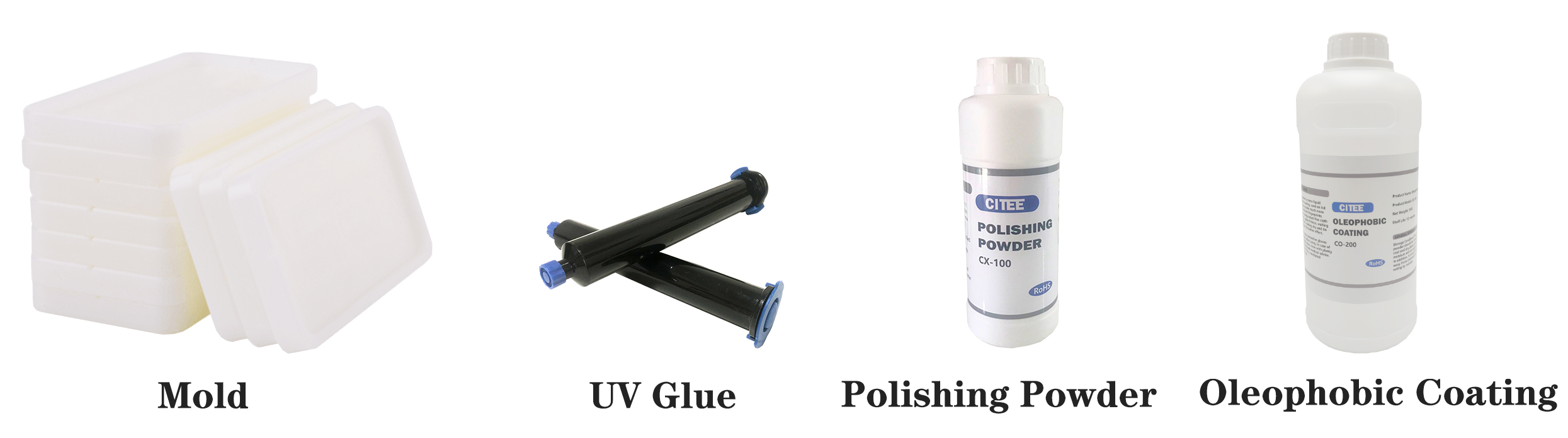
The glass and frame assembly must be held perfectly level and secure during the sealing and polishing phases. Operators should utilize model-specific phone holding molds/jigs to ensure the device remains immobile. These precision-machined jigs prevent micro-movements that could break the seal during the mechanical stress of polishing.
3. Application of the Waterproof Sealant
Once secured, the perimeter of the glass-to-frame gap must be sealed. We recommend applying a high-viscosity UV waterproof sealing glue 30ml/50ml along the entire seam. The glue must be applied in a continuous, unbroken bead. Avoid over-application, which can lead to excess glue seeping onto the visible glass area and requiring additional cleanup time.
4. UV Curing and Inspection
Immediately after application, the assembly is placed under a UV curing lamp. The curing time is typically brief, allowing the glue to harden into a flexible, waterproof barrier. After curing, operators must perform a visual inspection under bright light to ensure there are no pinholes or gaps in the seal.
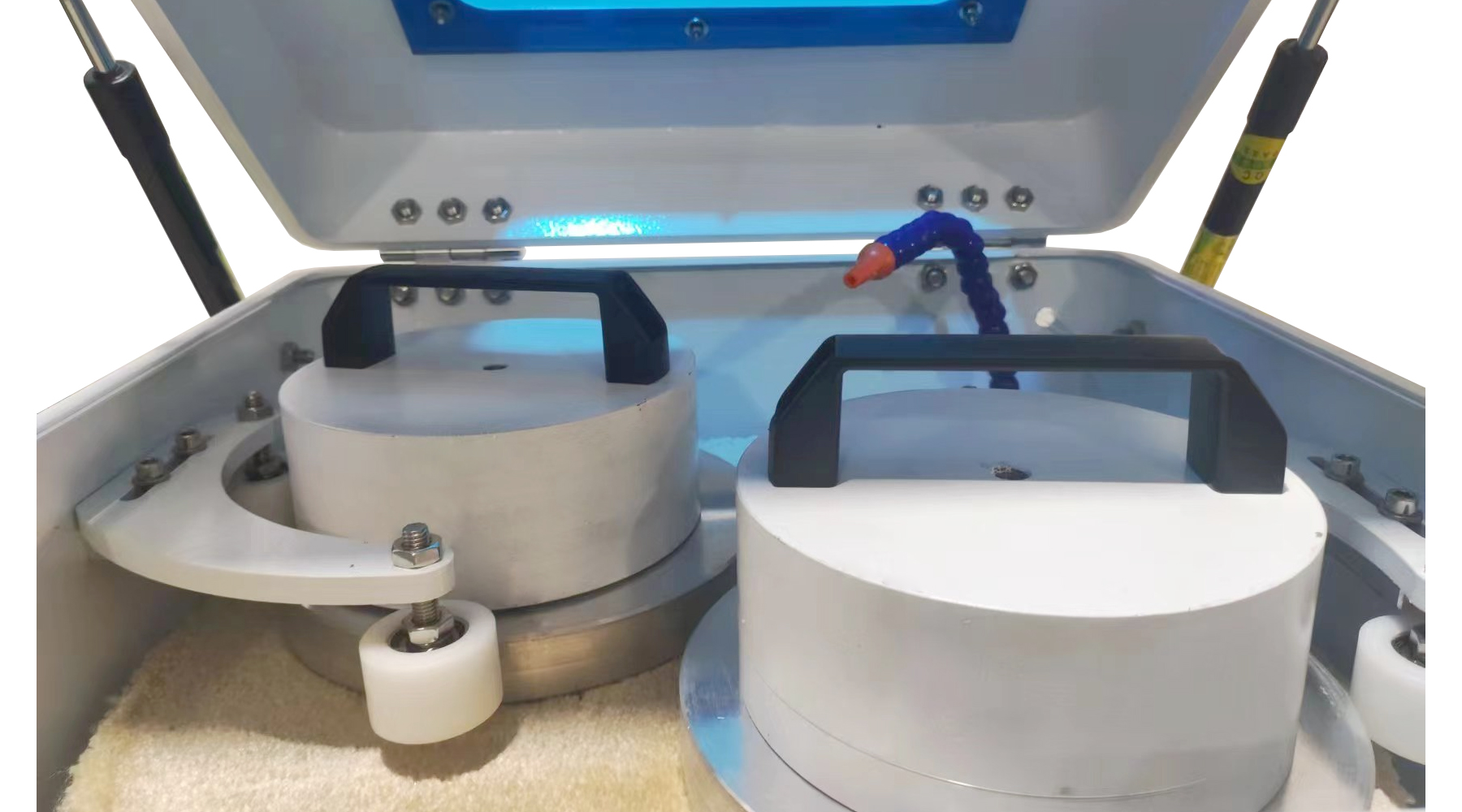
Equipment and Consumables Required for Sealing
The efficiency of your waterproofing stage directly impacts your overall line balance. If the sealing process is too slow, it becomes a bottleneck; if it is too fast, the seal fails.
Selecting the right consumables is critical. The UV glue must have the correct viscosity to flow into microscopic gaps without running down the frame. Furthermore, the holding molds must be durable and precisely calibrated for each specific phone model to ensure a perfect fit.
For a detailed breakdown of your operational expenses and how to calculate the lifecycle cost of your abrasives and sealants, refer to our comprehensive guide on Polishing Consumables & Operating Cost. Understanding these variables allows factory owners to optimize their repurchase cycles and negotiate better terms on bulk orders.
Waterproofing Workflow Selection Checklist
| Workflow Stage | Key Action | Required Consumable/Tool |
|---|---|---|
| Preparation | Deep clean mating surfaces | 99% Isopropyl Alcohol, Microfiber Cloths |
| Fixturing | Secure assembly for sealing | Model-specific phone holding molds/jigs |
| Sealing | Apply continuous adhesive bead | UV waterproof sealing glue 30ml/50ml |
| Curing | Harden sealant under UV light | Industrial UV Curing Lamp |
| Quality Check | Inspect for pinholes or gaps | High-Intensity Inspection Light |
Debunking Common Myths in Screen Refurbishment
In the B2B refurbishment sector, misconceptions can lead to costly operational errors.
Myth 1: Screen polishing can repair deep cracks.
This is entirely false. Screen polishing is strictly engineered to remove light surface scratches and restore optical clarity. It cannot fix deep cracks, structural fractures, or shattered glass. Attempting to polish a deeply damaged screen will only exacerbate the fracture, turning a simple glass replacement into a total unit loss.
Myth 2: High-speed polishing eliminates the need for waterproofing.
Some operators believe that by minimizing the time the screen is exposed to water, they can skip the sealing step. This is a critical error. Even a few seconds of exposure under pressure will force liquid into the chassis. The pre polishing waterproofing workflow prevent liquid damage is non-negotiable, regardless of your machine’s speed.
ROI and Unit Cost Optimization
Integrating this workflow requires an initial investment in time and materials, but the ROI is realized through drastic reductions in scrap rates. Consider the cost of a single logic board versus the cost of a few milliliters of UV glue and the seconds of labor required to apply it. The math heavily favors proactive waterproofing.
Additionally, a reliable seal allows operators to increase the water flow and pressure during the polishing stage. Higher water flow improves the cooling of the glass and flushes away debris faster, which directly increases throughput capacity. Faster polishing cycles mean more units processed per shift, lowering the fixed labor cost per unit.
Furthermore, by preventing liquid damage, you eliminate the hidden costs associated with troubleshooting failed units, reworking boards, and disposing of hazardous liquid waste. The consumables repurchase cost remains low because the UV glue is applied with precision, minimizing waste.
Conclusion
To maximize the profitability of your refurbishment operations, every variable must be controlled. The wet polishing method is highly effective for restoring light surface scratches, but it introduces significant liquid hazards to the internal components. By standardizing a pre polishing waterproofing workflow prevent liquid damage, you protect your margins, reduce scrap, and ensure consistent quality across every batch. Remember, this process is strictly for surface-level refinishing; deeply fractured or shattered screens require complete glass replacement, not polishing.
Ready to optimize your production line and reduce your scrap rate? To receive a formal Proforma Invoice (PI) tailored to your facility’s needs, please contact our B2B sales team. When requesting your quote, ensure you provide your company name, monthly refurbishment volume, target quantity for this order, and whether you need matching consumables such as UV glue and holding molds. Our engineers will analyze your throughput requirements and provide a customized equipment and consumables package.
No. Screen polishing is strictly engineered to remove light surface scratches and restore optical clarity. It cannot fix deep cracks, structural fractures, or shattered glass. Units with deep damage require complete glass replacement.
UV waterproof sealing glue cures rapidly under UV light, allowing for immediate processing without long drying delays. It also remains slightly flexible after curing, which accommodates the thermal expansion of the phone chassis during operation without breaking the seal.
Model-specific phone holding molds/jigs ensure the device remains perfectly level and immobile. This precision prevents micro-movements that could break the waterproof seal during the mechanical stress of polishing, ensuring consistent quality and reducing scrap rates.
The ROI is realized through drastic reductions in scrap rates. The cost of a few milliliters of UV glue and seconds of labor is negligible compared to the cost of a destroyed logic board. It also increases throughput capacity by allowing higher water flow during polishing.