
How to Reduce Scrap Rate Screen Polishing Operator Errors in B2B Refurbishment
In the high-volume used electronics refurbishment industry, profit margins are directly tied to your facility’s yield. Factory owners and repair shop managers constantly seek strategies to reduce scrap rate screen polishing operator errors to maximize ROI. When technicians mishandle light surface scratch removal, perfectly good glass panels are incorrectly routed to the scrap bin or damaged beyond repair. Implementing standardized protocols is the most effective way to minimize human error, protect your bottom line, and ensure consistent throughput across your production line.
The Hidden Costs of Technician Mistakes in Glass Refurbishment
In any B2B refurbishment facility, the unit economics of screen repair dictate overall profitability. A single misstep by an operator can turn a salvageable panel into a total loss. It is critical to establish a strict operational boundary: industrial polishing equipment is engineered exclusively to fix LIGHT SURFACE SCRATCHES on glass screens. If a device has a cracked, deeply fractured, or shattered screen, polishing CANNOT fix the structural damage. Attempting to polish deep cracks will not only fail to restore the glass but will also waste valuable machine time and consumables.
Consider the cascading effect of a 5% increase in scrap rate on a facility processing 10,000 units a month. The lost revenue from prematurely discarded glass, combined with the wasted labor hours and depreciated consumables, severely impacts net margins. Furthermore, sending a deeply fractured screen through a polishing cycle risks contaminating the machine’s platen with glass shards, leading to secondary damage on subsequent batches. This is why strict triage protocols are non-negotiable in a professional B2B environment.
Strategies to reduce scrap rate screen polishing operator errors
To effectively reduce scrap rate screen polishing operator errors, facility managers must move away from ad-hoc repair methods and implement rigid, repeatable systems. Human error in this context usually stems from three areas: improper triage, inconsistent pressure application, and incorrect consumable usage.
First, implement a mandatory triage station before the polishing line. Operators must be trained to use high-intensity inspection lighting to differentiate between light surface marring and deep structural fractures.
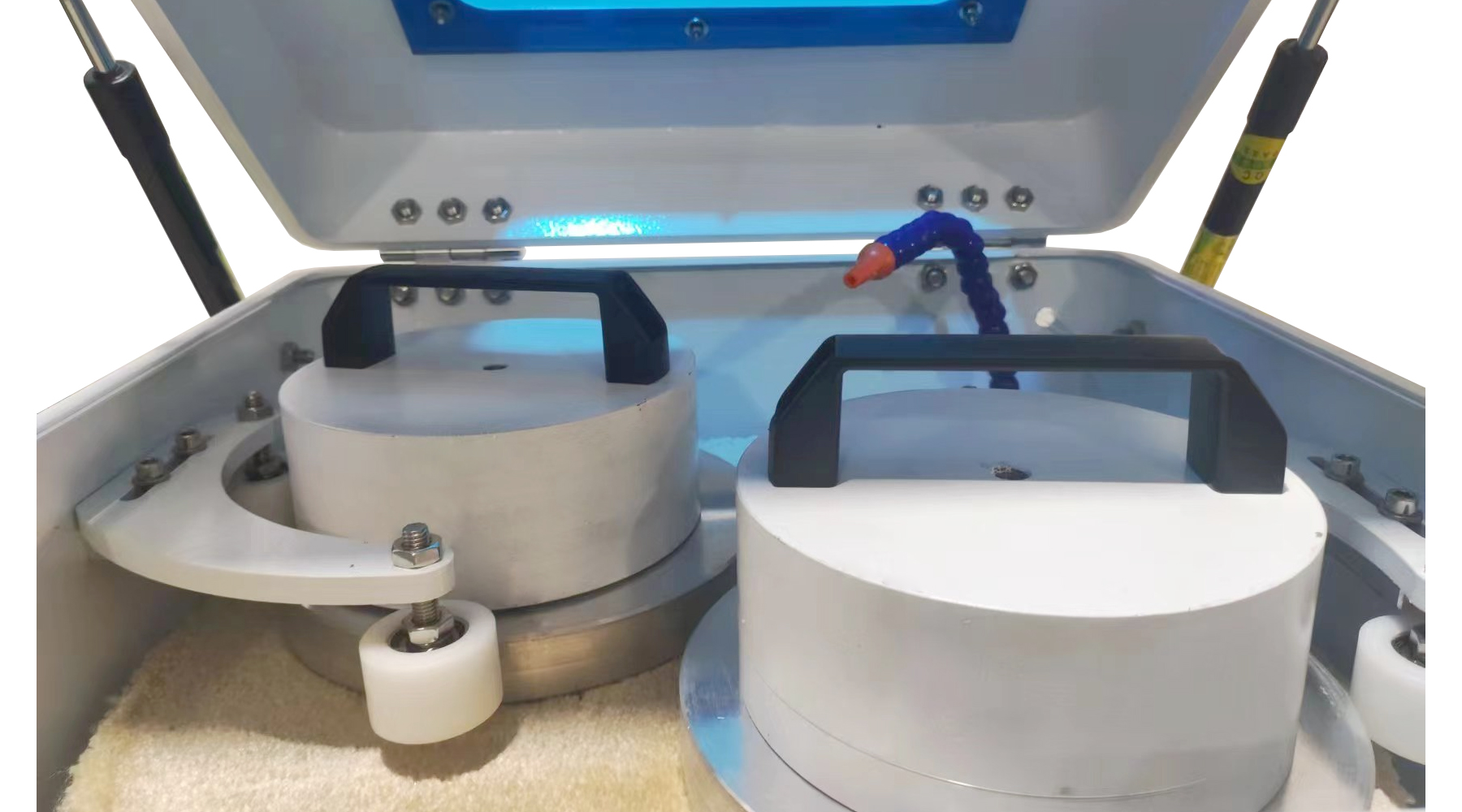
Second, utilize precision-machined jigs and fixtures. When a glass panel is not securely locked into the machine’s platen, operator vibration and uneven hand pressure can cause edge chipping or uneven material removal. Automated pressure sensors and programmable logic controllers (PLCs) can remove the human variable entirely, ensuring a uniform polishing pass every time.
Beyond mechanical fixtures, continuous operator training is vital. Implementing a tiered certification system for your polishing technicians ensures that only highly skilled personnel handle high-value flagship device screens. Regular audits of the polishing output, using microscopic inspection to check for edge roll-off or optical distortion, provide actionable feedback. This data-driven approach allows managers to identify which operators require retraining before a costly batch of screens is ruined. By treating operator error as a systemic process failure rather than an individual mistake, you can engineer the human element out of the scrap equation.
Equipment Calibration and Consumables Management
Machine calibration is only half the equation. The consumables repurchase cost and the physical state of your polishing pads and compounds play a massive role in operator success. Worn-out pads or improperly mixed cerium oxide slurries lead to inconsistent cutting rates. An operator might compensate for a dull pad by increasing down-pressure, which introduces heat stress and micro-fractures to the glass.
The chemistry of the polishing compound must be perfectly matched to the glass hardness of the specific device models you are refurbishing. Using an overly aggressive compound on softer glass variants will result in excessive material removal, altering the optical clarity and structural integrity of the panel. Conversely, a compound that is too mild will require extended cycle times, creating a bottleneck in your throughput capacity. Tracking the exact volume of compound dispensed per cycle allows for precise calculation of your consumables repurchase cost, ensuring your unit economics remain accurate and predictable.
Standardizing your consumables and establishing a strict replacement schedule based on machine run-time—not just visual inspection—eliminates this variable. For a complete breakdown of how equipment and consumables impact your bottom line, review our Refurbishment ROI & Process documentation.
Selection Checklist for Error-Proof Polishing Operations
| Operational Phase | Error-Proofing Mechanism | Impact on Scrap Rate |
|---|---|---|
| Intake & Triage | High-intensity LED inspection & SOP checklists | Prevents deep-cracked screens from entering the polishing line |
| Fixturing | Custom-machined vacuum jigs | Eliminates panel shift and uneven edge pressure |
| Polishing Execution | PLC-controlled pressure and speed limits | Removes human variance in down-pressure and feed rate |
| Consumables | Automated slurry dispensing & pad replacement logs | Prevents heat stress and micro-fractures from dull pads |
Maximizing Yield Through Operational Discipline
Ultimately, the ability to reduce scrap rate screen polishing operator errors comes down to combining the right industrial machinery with rigorous operational discipline. By strictly limiting polishing to light surface scratches, standardizing your fixtures, and tightly managing your consumables lifecycle, your facility can achieve predictable throughput and maximize the ROI of every refurbished device.
Are you looking to upgrade your facility’s polishing capabilities or optimize your current consumables supply? To get started, please contact our B2B sales team. Provide your company name, monthly refurbishment volume, target quantity, and whether you need matching consumables. Our team will evaluate your requirements and issue a formal Proforma Invoice (PI) tailored to your production needs.
No. Polishing is strictly engineered to fix light surface scratches on glass screens. Deep cracks, deep fractures, or shattered glass cannot be fixed by polishing and require full screen replacement.
Proper training ensures technicians correctly identify light surface scratches versus deep damage during triage, and use the correct pressure and consumables during the polishing phase. This directly reduces accidental scrapping and prevents machine contamination.
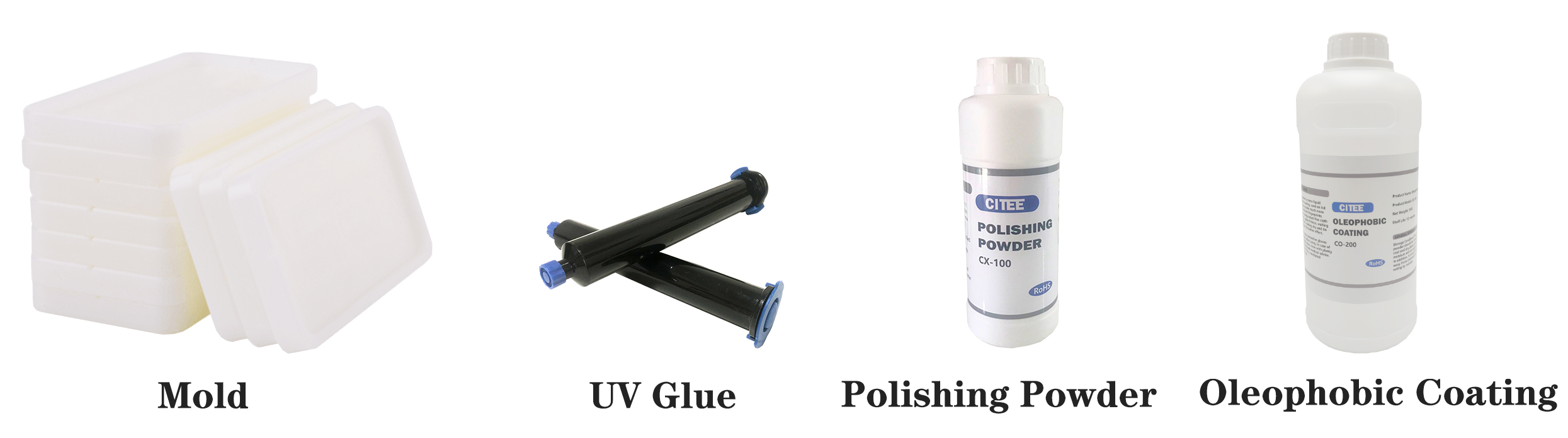
High-quality polishing pads, precisely mixed cerium oxide or diamond compound slurries, and cleaning microfibers. Standardizing these consumables and tracking their lifecycle prevents variable results and heat stress on the glass.
Please provide your company name, monthly refurbishment volume, target quantity, and whether you need matching consumables to our B2B sales team. We will evaluate your production requirements and issue a formal Proforma Invoice (PI).