
Mastering Refurbished iPhone Grading ABC Cosmetic Screen Scratch Standards for B2B Workflows
In the competitive B2B mobile refurbishment industry, establishing clear refurbished iphone grading abc cosmetic screen scratch standards is critical for maximizing throughput and profitability. Factory owners and wholesale distributors must align their grading criteria to ensure consistent unit valuation and minimize subjective disputes. By standardizing how light surface scratches are evaluated, repair shops can significantly reduce scrap rates and optimize their polishing workflows.
Understanding Refurbished iPhone Grading ABC Cosmetic Screen Scratch Standards
To maintain high margins in wholesale distribution, your facility must operate on objective, repeatable metrics. The refurbished iphone grading abc cosmetic screen scratch standards provide a universal framework for evaluating the cosmetic condition of device glass under controlled lighting.
Here is how B2B operations typically define these tiers for surface-level imperfections:
- Grade A (Pristine/Like New): The glass surface exhibits zero visible scratches under standard 500-lux lighting conditions. Any micro-marring is only detectable under specialized magnification. This grade commands the highest wholesale premium.
- Grade B (Light Wear): The device features light surface scratches that are visible under direct lighting but do not catch the fingernail. These are strictly superficial imperfections. Polishing can often downgrade a Grade B unit to Grade A, significantly increasing its resale value.
- Grade C (Moderate Surface Scratching): The screen displays a network of light surface scratches and minor scuffs. While still structurally sound, the cosmetic degradation requires intensive polishing to restore market value.
Crucial Operational Disclaimer: It is critical to note that industrial polishing processes can ONLY fix light surface scratches. Polishing CANNOT fix deep cracks, shattered glass, or deeply fractured screens. Units with deep structural glass damage cannot be restored via surface polishing and must be routed for full screen replacement. Misrouting deeply damaged units through polishing lines wastes labor, consumables, and machine uptime.
The Economics of Surface Scratch Repair vs. Screen Replacement
Understanding the financial delta between grading tiers is where B2B refurbishment generates its highest returns. The price gap between a Grade A and a Grade B device can be substantial. By utilizing precision screen polishing equipment, factories can systematically upgrade Grade B and Grade C units to Grade A status without the exorbitant costs associated with full OLED or LCD screen replacements.
When you replace a screen, you absorb the cost of the new display assembly, the labor for teardown and reassembly, and the risk of damaging other components. In contrast, surface polishing only consumes abrasives and machine time. This drastically lowers your unit cost reduction metrics and directly improves your gross margin per device.
For a complete breakdown of how integrating automated polishing impacts your bottom line, consult our comprehensive Refurbishment ROI & Process guide. It details how minimizing screen replacements in favor of surface scratch removal transforms your operational economics.
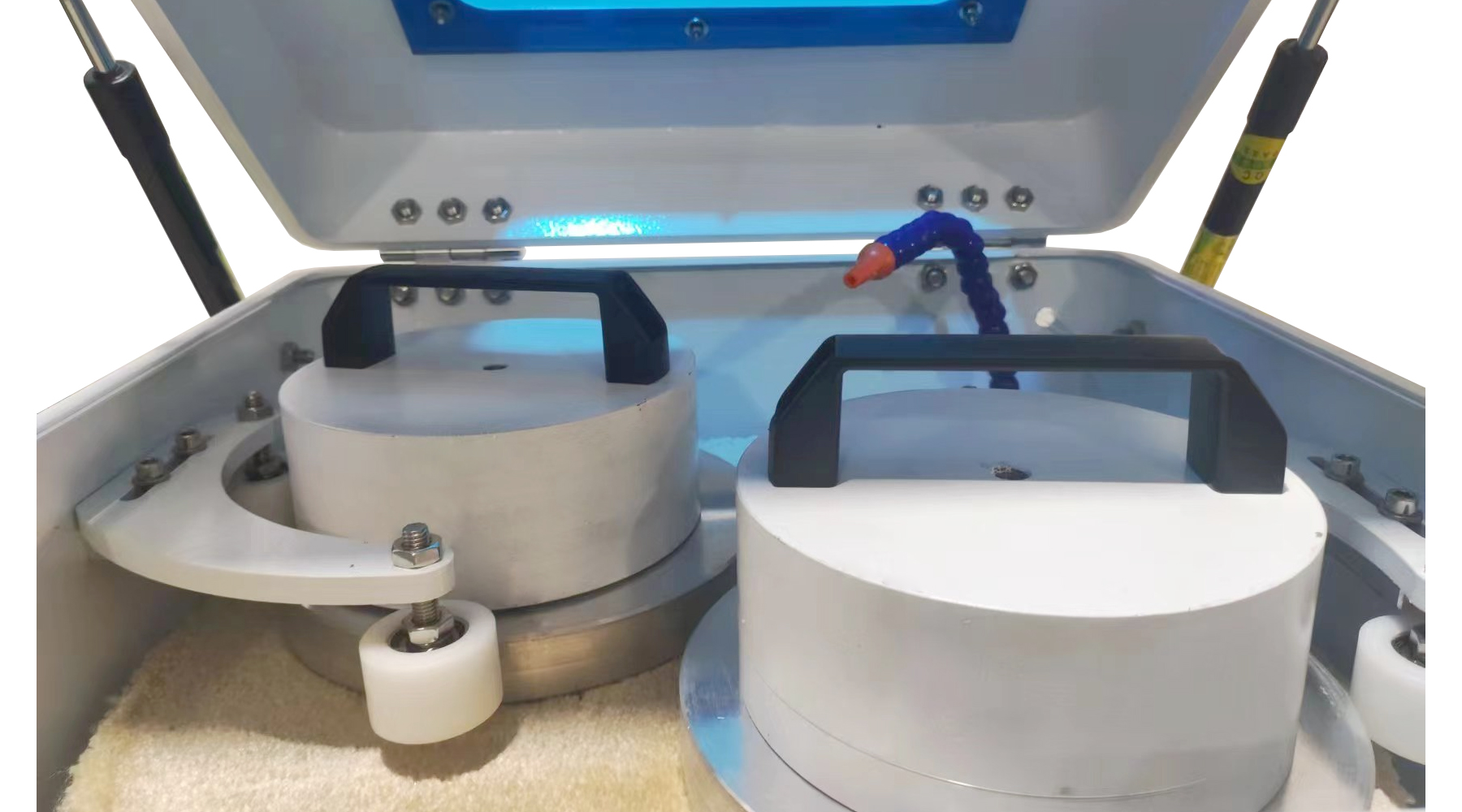
Selection Checklist: Evaluating Your Polishing Line Capabilities
To ensure your facility meets the rigorous refurbished iphone grading abc cosmetic screen scratch standards, your equipment and workflows must be precisely calibrated. Use the following selection checklist to audit your current polishing line capabilities.
| Audit Category | Key Performance Indicator (KPI) | B2B Target Benchmark |
|---|---|---|
| Lighting Environment | Inspection Station Lux Level | 500 – 800 lux for accurate Grade A/B/C sorting |
| Machine Throughput | Units Processed Per Hour | High-capacity automation to match inbound volume |
| Consumables Lifecycle | Pad and Slurry Replacement Rate | Extended lifespan to minimize consumables repurchase cost |
| Scratch Depth Limit | Maximum Micron Removal | Calibrated to remove only surface scratches, avoiding oleophobic coating damage |
Optimizing Throughput and Consumables Repurchase Cost
In high-volume B2B refurbishment, throughput capacity is just as important as repair quality. If your polishing line operates too slowly, it becomes a bottleneck, negating the ROI of the process. Conversely, running machines at excessive speeds can lead to uneven material removal and increased consumables repurchase cost.
Optimizing this balance requires industrial-grade equipment designed for continuous operation. High-quality polishing pads and precision cerium oxide slurries are engineered to maintain their cutting efficiency over thousands of cycles. When you source equipment and supplies from a dedicated B2B partner, you ensure that your consumables repurchase cost remains predictable and low.
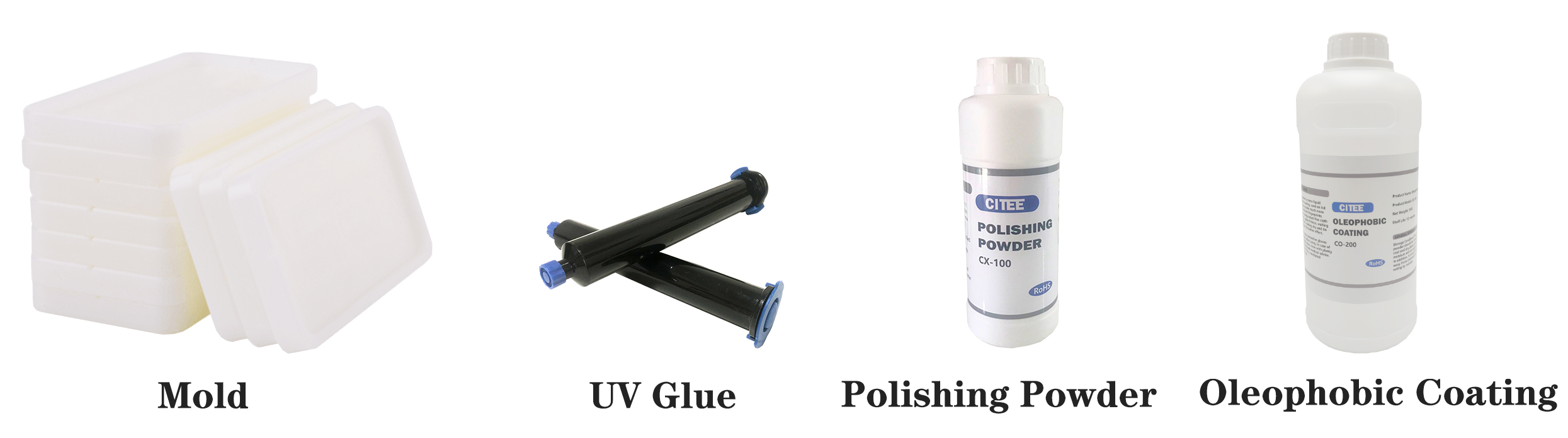
Furthermore, standardizing your refurbished iphone grading abc cosmetic screen scratch standards ensures that your operators do not over-polish Grade A units or under-polish Grade B units. This precision directly extends the life of your polishing pads and reduces the frequency of slurry changes, driving down your overall operational expenditures.
Conclusion
Adopting strict refurbished iphone grading abc cosmetic screen scratch standards is not just about quality control; it is a fundamental strategy for margin protection in the B2B mobile refurbishment sector. By clearly defining the boundaries of light surface scratches and strictly routing deep fractures to replacement lines, factory owners can optimize labor, reduce scrap rates, and maximize the resale value of every device. Remember, polishing is exclusively for light surface imperfections and cannot repair shattered or deeply cracked glass. Implementing these standards ensures your facility operates at peak efficiency and profitability.
Request a Formal PI and Equipment Consultation
To request a formal PI and discuss how our industrial equipment can integrate into your facility, please provide your company name, monthly refurbishment volume, target quantity, and whether you need matching consumables. Our B2B engineering team will analyze your throughput requirements and provide a customized proposal to optimize your unit cost reduction and overall ROI.
No. Industrial polishing is strictly designed to fix light surface scratches only. It cannot repair deep cracks, shattered glass, or deeply fractured screens. Units with structural glass damage must be routed for full screen replacement.
These standards provide an objective framework for grading devices. By using precision polishing to upgrade Grade B or C units (which have light surface scratches) to Grade A status, B2B wholesalers can significantly increase the resale value and profit margin of each device without the high cost of screen replacement.
The primary benefit is unit cost reduction. Polishing only consumes abrasives and machine time, whereas screen replacement requires purchasing expensive display assemblies and paying for extensive teardown labor. Polishing drastically lowers operational costs and reduces scrap rates.
Factories can optimize consumables repurchase cost by investing in industrial-grade polishing pads and high-efficiency slurries that maintain cutting performance over thousands of cycles. Additionally, standardizing grading criteria prevents operators from over-polishing, which unnecessarily degrades consumable lifespan.