
Refurbishment Quality Grades Cosmetic Screen Restoration: A B2B Guide
In the secondary mobile device market, maximizing yield per batch is the primary driver of profitability. When evaluating incoming inventory, factory owners and wholesalers must categorize devices accurately to optimize unit economics. This is where refurbishment quality grades cosmetic screen restoration becomes a critical operational metric. By effectively removing light surface defects, refurbishers can elevate a device from a lower tier to a premium grade, significantly reducing scrap rates and increasing overall throughput capacity.
Understanding Refurbishment Quality Grades Cosmetic Screen Restoration
In B2B wholesale, devices are typically categorized into Grade A, Grade B, and Grade C based on their cosmetic condition. Grade A devices command the highest margins, requiring flawless screens and minimal housing wear. Grade B allows for minor, barely noticeable wear, while Grade C devices exhibit visible scratches and heavier cosmetic defects.
The financial gap between these grades is substantial. A device that would otherwise be sold at a steep Grade C discount can be elevated to Grade B or even Grade A through precise surface polishing. This process directly impacts your bottom line by rescuing units that would otherwise be sold at a loss or discarded. However, it is crucial to understand that this process is strictly limited to light surface imperfections.
The Economics of Surface Scratch Removal
Replacing a damaged screen entirely is a costly endeavor. It incurs high parts procurement costs, increases labor time, and introduces the risk of improper installation. In contrast, surface polishing requires only specialized consumables and a fraction of the labor time. The unit cost reduction achieved by polishing instead of replacing is where the true ROI materializes.
For factory owners managing high throughput, the math is straightforward. If your facility processes 10,000 units a month, and 20% of those have light surface scratches, polishing those 2,000 units can shift them into a higher wholesale tier. To calculate the exact financial impact on your specific operation, consult our refurbishment ROI calculator to model your savings based on your local labor and wholesale pricing structures.
Strict Limitations of Cosmetic Restoration
It is vital for B2B operations to set accurate expectations for incoming inventory and client promises. Polishing processes are strictly designed to fix LIGHT SURFACE SCRATCHES on glass screens. We must explicitly state that polishing CANNOT fix deep cracks, deeply fractured, or shattered glass — only surface-level scratches can be remediated. Attempting to polish deep structural damage will result in further degradation of the glass, ruined units, and compromised structural integrity.
Operational Workflow for High-Volume Facilities
Integrating cosmetic restoration into a high-volume factory requires a streamlined workflow to maintain throughput capacity.
- Initial Diagnostic & Sorting: Devices are inspected under standardized lighting. Units with deep cracks are routed to full screen replacement, while units with light surface scratches are routed to the polishing line.
- Masking and Preparation: Protecting the device housing and sensors is critical to prevent collateral damage during the mechanical polishing process.
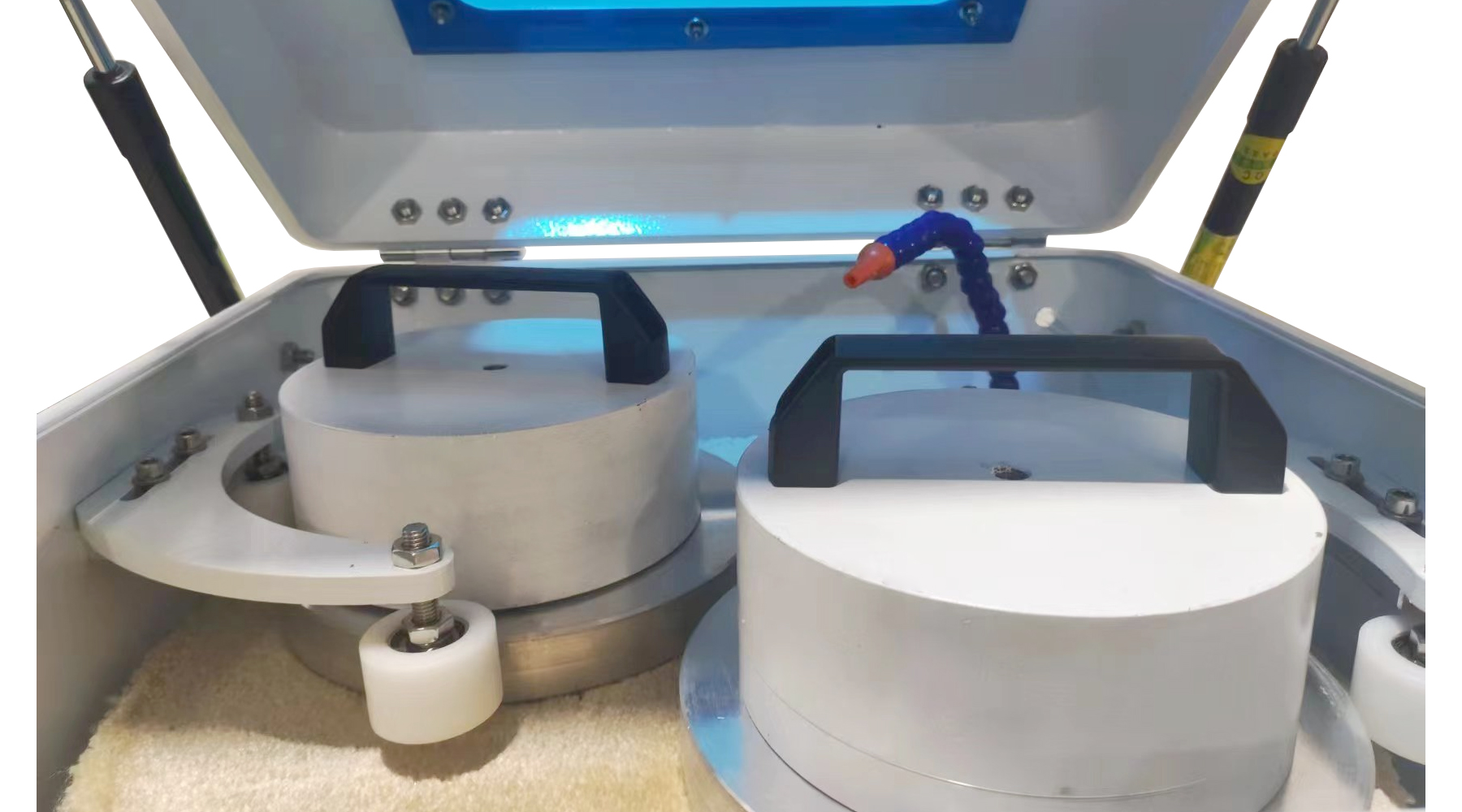
- Mechanical Polishing: Using calibrated machines and specific abrasive compounds, operators remove the microscopic layer of glass containing the scratches.
- Final QC and Grading: The device is cleaned, inspected, and officially re-graded based on the restored cosmetic condition.
Selection Checklist for Screen Polishing Equipment
When upgrading your facility’s capabilities, selecting the right equipment is paramount. Use the following checklist to evaluate potential machinery investments:
| Evaluation Factor | B2B Consideration |
|---|---|
| Throughput Capacity | Units processed per hour to meet strict batch deadlines and maintain high-volume output. |
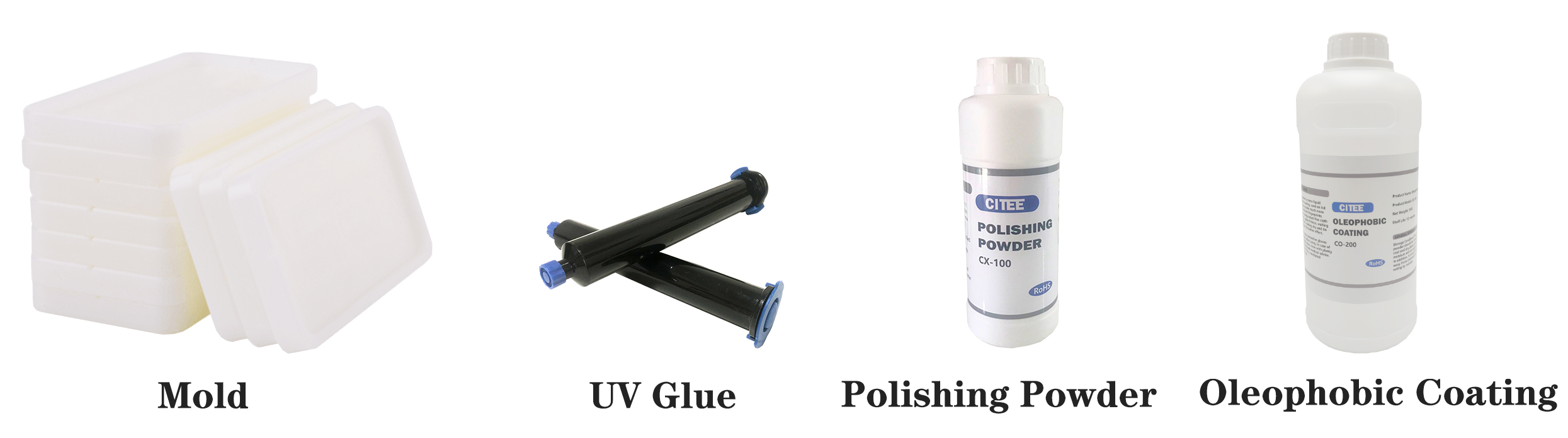
| Consumables Repurchase Cost | Frequency, lifespan, and cost of polishing pads, films, and compounds to ensure long-term operational viability. |
| Automation Level | Manual vs. semi-automatic operation to reduce labor overhead and minimize human error. |
| Yield Improvement Rate | Expected percentage of units successfully upgraded to Grade A/B without causing optical distortion. |
Conclusion
Integrating advanced surface polishing into your refurbishment line requires a strategic approach to equipment selection and consumables management. By focusing exclusively on light surface defects, your facility can drastically reduce scrap rates and maximize the wholesale value of every incoming batch. Ultimately, mastering refurbishment quality grades cosmetic screen restoration allows your business to capture higher margins, streamline operations, and maintain a competitive edge in the secondary mobile device market.
Request a Formal Proposal
Ready to optimize your refurbishment line and reduce your unit costs? To receive a formal Proforma Invoice (PI) tailored to your operational needs, please contact our sales team. Be sure to provide your company name, monthly refurbishment volume, target quantity, and whether you need matching consumables included in your quote.
By removing light surface scratches, you can upgrade devices from Grade B or C to Grade A. This directly increases the wholesale unit price and improves your overall batch ROI without the high cost of full screen replacements.
No. Our polishing processes are strictly designed to fix LIGHT SURFACE SCRATCHES on glass screens. Polishing CANNOT fix deep cracks, deeply fractured, or shattered glass — only surface-level scratches can be remediated.
Consumables costs depend on your monthly refurbishment volume and the severity of incoming inventory. We recommend requesting a formal PI with your specific volume data so we can calculate the exact consumables repurchase cost and unit cost reduction for your facility.
Screen polishing is typically integrated after initial diagnostic testing and before final quality control. For a complete operational breakdown, refer to our refurbishment ROI calculator to map out the exact workflow integration and labor requirements.