
How to Calculate Factory Profitability Using an ROI Automatic Screen Polishing Machine Worksheet
For refurbishment factory owners and used phone wholesalers, maximizing throughput while minimizing scrap rates is critical. To accurately project your unit cost reduction, you need a reliable ROI automatic screen polishing machine worksheet. This analytical tool helps B2B operators evaluate how automated polishing of light surface scratches impacts overall profitability, ensuring every operational decision is backed by hard data rather than guesswork.
Understanding the ROI Automatic Screen Polishing Machine Worksheet
An ROI automatic screen polishing machine worksheet is a structured financial framework used by B2B refurbishment facilities to quantify the economic benefits of integrating automated glass polishing into their production line. The primary objective of this worksheet is to compare the cost of discarding or replacing scratched screens against the cost of restoring them using automated machinery.
It is critical to establish operational boundaries before running these calculations. Automated polishing technology is strictly limited to removing light surface scratches. It CANNOT fix deep cracks, deeply fractured glass, or shattered screens. If a device has sustained structural glass damage, the screen must be entirely replaced. The worksheet is designed exclusively to calculate the financial recovery of screens suffering from superficial, light-level wear.
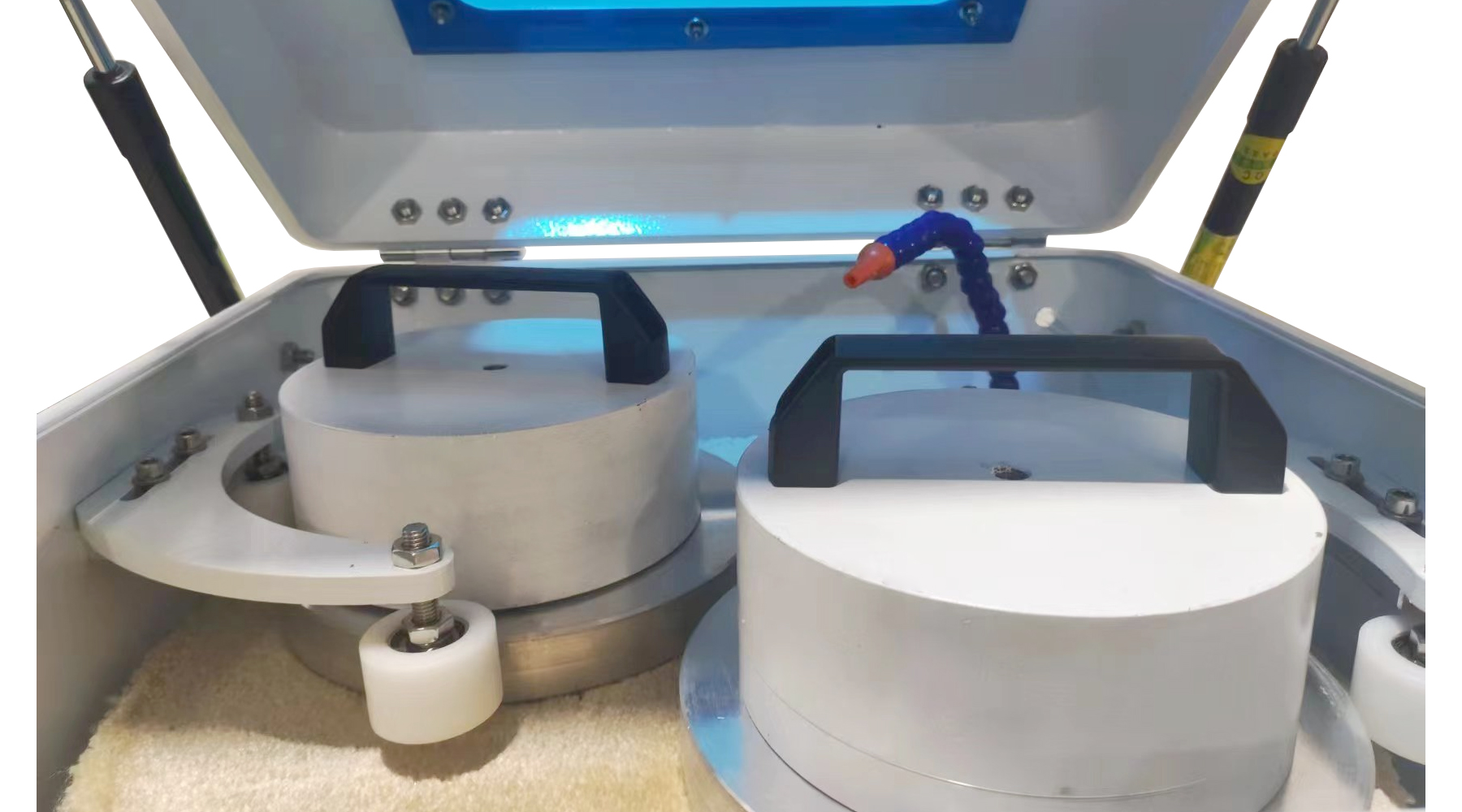
By mapping out your current scrap rate for superficially damaged screens, you can identify exactly how much revenue is being lost to the waste bin. The worksheet transforms this lost revenue into a measurable metric, allowing factory owners to see the direct impact of unit cost reduction on their bottom line.
Key Variables for Your Refurbishment ROI Calculation
To build an accurate projection, your worksheet must account for several core operational variables. To establish a comprehensive baseline for these metrics, we recommend reviewing our Refurbishment ROI & Process guide, which details how to map your current operational bottlenecks.
- Current Scrap Rate: The percentage of incoming inventory discarded due to light surface scratches.
- Replacement Screen Cost: The wholesale unit cost of sourcing new glass assemblies for damaged units.
- Polishing Consumables Cost: The expense of polishing pads, compounds, and maintenance parts required per unit.
- Labor Cost per Unit: The operator time required to load, run, and unload the automated machine.
- Throughput Capacity: The total number of units the machine can process per shift, directly impacting your daily revenue potential.
When these variables are entered into your ROI automatic screen polishing machine worksheet, the financial advantage of automated restoration over manual replacement becomes immediately apparent.
Selecting the Right Equipment Capacity for Your Factory
The accuracy of your financial projections depends heavily on matching the machinery to your specific throughput capacity. Selecting the wrong station count can lead to operational bottlenecks or underutilized capital.
For mid-sized refurbishment factories looking to optimize floor space while significantly increasing daily output, the CPM-016 16-station model provides an ideal balance of performance and spatial efficiency. It is engineered for facilities that require consistent, high-quality surface scratch removal without the footprint of a massive industrial line.

Conversely, for large-scale operations and high-volume wholesalers requiring maximum daily throughput, the CPM-024 24-station high-capacity machine is the optimal choice. Its expanded station count ensures your production line never experiences downtime, allowing you to process massive batches of lightly scratched inventory and drastically lower your overall scrap rate.
Cost Optimization Formula for Screen Refurbishment
A core component of the ROI automatic screen polishing machine worksheet is the cost optimization formula. This formula isolates the exact financial benefit of polishing versus replacing.
| Metric | Calculation Formula |
|---|---|
| Gross Savings per Unit | (Cost of Replacement Screen) – (Consumables + Labor for Polishing) |
| Monthly Gross Savings | (Gross Savings per Unit) x (Monthly Units Polished) |
| Net Monthly ROI | (Monthly Gross Savings) – (Machine Depreciation + Consumables Repurchase Cost) |
Minimizing Consumables Repurchase Cost
A common oversight in B2B refurbishment operations is failing to accurately project consumables repurchase cost. When building your worksheet, you must account for the lifespan of polishing pads and compounds. High-quality automated machines are engineered to optimize consumable usage, ensuring that the cost per unit remains exceptionally low. By calculating the exact consumable lifespan against your daily throughput, you can forecast your operational expenses with precision, preventing unexpected overhead that erodes your profit margins.
Finalizing Your ROI Automatic Screen Polishing Machine Worksheet
Ultimately, finalizing your ROI automatic screen polishing machine worksheet is a mandatory step for any B2B operation serious about scaling its refurbishment capabilities. By rigorously analyzing your scrap rates, unit costs, and throughput requirements, you can make data-driven equipment investments that yield measurable returns. Remember, this technology is strictly for light surface scratches; it will not repair deep cracks or shattered glass.
To request a formal PI and receive a customized quote tailored to your operation, please contact our B2B sales team. You must provide the following information:
- Company Name
- Monthly Refurbishment Volume
- Target Quantity
- Whether you need matching consumables
No. Automated polishing technology is strictly designed to remove light surface scratches. It cannot fix deep cracks, shattered glass, or deeply fractured screens. Deep structural damage requires a full screen replacement.
You need your current scrap rate for scratched screens, the unit cost of replacement screens, the cost of polishing consumables, labor costs per unit, and your target monthly throughput volume.
The choice depends on your monthly refurbishment volume. The 16-station model is ideal for mid-sized factories optimizing floor space, while the 24-station high-capacity machine is built for large-scale operations requiring maximum daily output.
Yes, polishing requires specific consumables such as polishing pads and compounds. When requesting a formal PI, you should specify whether you need matching consumables included in your initial order to ensure uninterrupted production.