
Understanding the Screen Polishing Glossary: Subtractive Water Mill & Cerium Oxide
For B2B factory owners, repair shop operators, and used phone wholesalers, maximizing yield on graded inventory is critical to maintaining healthy profit margins. When evaluating the screen polishing glossary subtractive water mill cerium oxide methodology, industrial operators must understand the precise capabilities, mechanical processes, and strict limitations of this refurbishment technique. This advanced industrial process is strictly designed to remove light surface scratches from glass screens, restoring optical clarity and aesthetic value. It is crucial to explicitly state that polishing cannot fix deep cracks, shattered glass, or deeply fractured screens. If a device suffers from structural glass damage, the screen must be replaced, not polished. By mastering these core concepts, refurbishment facilities can significantly reduce scrap rates and optimize their unit economics.
Decoding the Screen Polishing Glossary Subtractive Water Mill Cerium Oxide Process
To optimize your refurbishment line, it is essential to understand the terminology that defines modern glass restoration. The phrase screen polishing glossary subtractive water mill cerium oxide encompasses the core mechanical and chemical principles used in professional-grade screen restoration.
Subtractive Polishing: Unlike additive processes (such as applying a resin filler), subtractive polishing physically removes a microscopic layer of the glass surface. By leveling the surrounding glass to the depth of the scratch, the defect is eliminated entirely. This requires precise calibration to ensure uniform material removal across the entire screen panel.
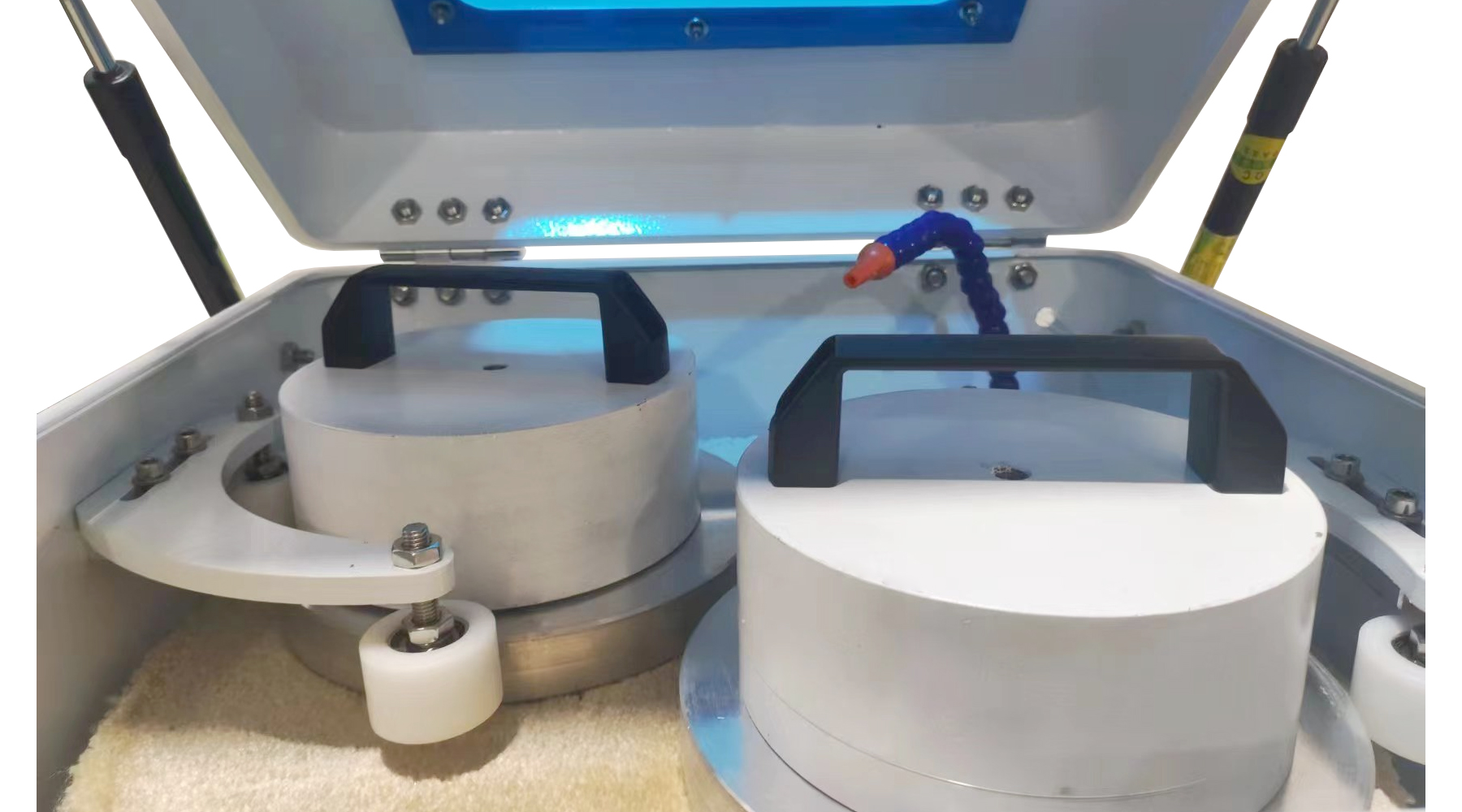
Water Mill Mechanism: The “water mill” refers to the wet-polishing environment utilized in industrial machines. High-speed dry polishing generates excessive friction and heat, which can weaken the glass or damage underlying LCD/OLED layers. A water mill system continuously feeds water to the polishing surface, dissipating heat, capturing hazardous glass dust, and creating a slurry that ensures a smooth, consistent finish.
Cerium Oxide Abrasive: Cerium oxide (CeO2) is a rare-earth compound that acts as the primary abrasive agent. In the presence of water, it facilitates a chemical-mechanical planarization (CMP) effect. It softens the silica network in the glass while the mechanical action of the polishing pad removes the microscopic layer, resulting in a factory-like optical finish.
Operational Limits: Surface Scratches vs. Deep Fractures
A common misconception in the secondary market is that polishing can repair all forms of glass damage. As a B2B equipment provider, we must set clear operational boundaries. The subtractive water mill process using cerium oxide is exclusively effective for light surface scratches—such as those caused by keys, sand, or minor abrasion from daily use.
If a screen is cracked, deeply fractured, or shattered, polishing is entirely ineffective and structurally dangerous. Deep cracks compromise the structural integrity of the glass and often extend into the digitizer or display layers beneath. Attempting to polish a cracked screen will not heal the fracture; it will only result in uneven material removal, potential water ingress into the display layers, and total destruction of the unit. For deep damage, full screen replacement is the only viable B2B solution.
Maximizing ROI and Throughput Capacity
Integrating a professional polishing line transforms your cost structure. When a phone arrives with a scratched but structurally sound screen, replacing the entire LCD/OLED assembly incurs high parts costs. By utilizing a subtractive water mill system, you convert a high-scrap unit into a premium-grade device for a fraction of the replacement cost.
Key financial metrics to monitor include:
- Unit Cost Reduction: The cost of cerium oxide and water per unit is negligible compared to the wholesale price of a replacement OLED panel.
- Throughput Capacity: Automated water mill machines can process multiple units simultaneously, drastically increasing daily output compared to manual replacement.
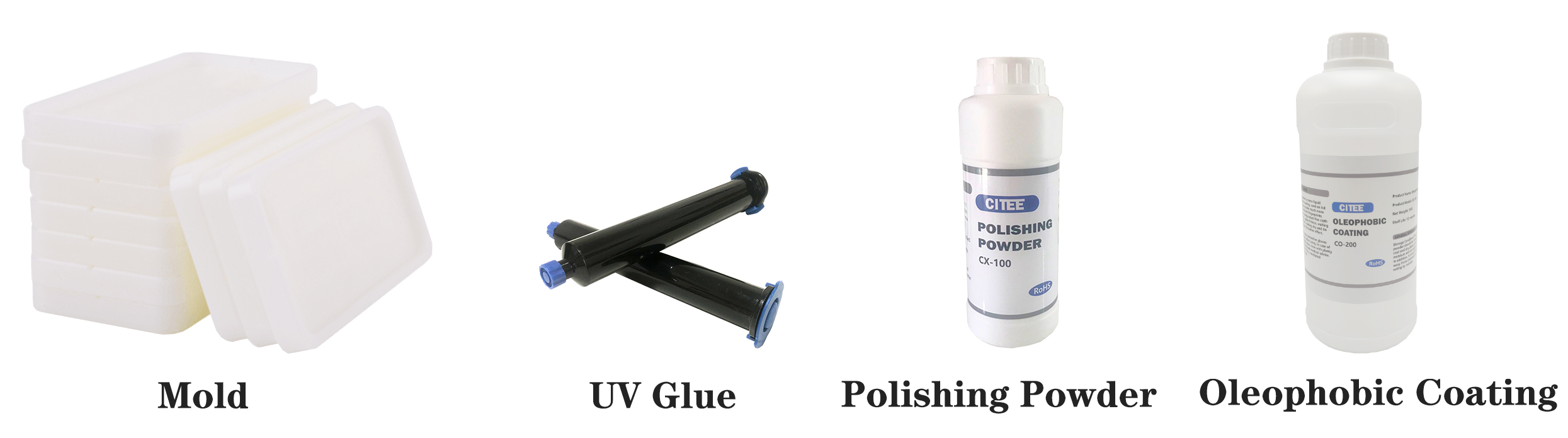
- Consumables Repurchase Cost: While the initial machine investment is fixed, operators must track the ongoing repurchase cost of cerium oxide powder, polishing pads, and masking materials to maintain accurate margin calculations.
For a comprehensive overview of equipment specifications and facility requirements, review our screen polishing machine guide.
B2B Refurbishment ROI Formula
| Metric | Calculation Formula | B2B Impact |
|---|---|---|
| Gross Savings Per Unit | (Cost of Replacement Screen) – (Labor + Consumables Repurchase Cost) | Directly increases margin per graded device. |
| Monthly Yield Increase | (Units Polished Successfully) x (Gross Savings Per Unit) | Expands monthly revenue without increasing raw material purchasing. |
| Scrap Rate Reduction | (Previous Scrap Volume – Current Scrap Volume) / Previous Scrap Volume | Improves overall inventory efficiency and grading accuracy. |
Selection Checklist for Factory Integration
Before scaling your operations, ensure your facility meets the following criteria:
- Water & Drainage: The water mill system requires a continuous clean water supply and proper filtration/drainage for the cerium oxide slurry.
- Power Stability: Industrial polishing motors require stable voltage to maintain consistent RPMs and prevent uneven subtractive removal.
- Consumables Supply Chain: Establish a reliable vendor for high-purity cerium oxide to ensure consistent chemical-mechanical results.
- Operator Training: Staff must be trained to identify the exact threshold between light surface scratches and deep structural fractures.
Conclusion
Mastering the screen polishing glossary subtractive water mill cerium oxide process is a game-changer for B2B refurbishment operations aiming to maximize inventory yield. By strictly limiting the process to light surface scratches and leveraging the chemical-mechanical advantages of cerium oxide in a water-cooled environment, factories can drastically reduce scrap rates and improve unit economics. Remember, deeply fractured or shattered screens cannot be polished and must be replaced.
To discuss how our industrial equipment can integrate into your facility, please contact our B2B sales team. When requesting a formal Proforma Invoice (PI), ensure you provide your company name, monthly refurbishment volume, target quantity, and whether you need matching consumables (such as cerium oxide and polishing pads) included in your initial order.
No. This process is strictly for light surface scratches. Deep cracks or shattered glass compromise structural integrity and require full screen replacement.
Cerium oxide acts as the chemical-mechanical abrasive. It facilitates the subtractive removal of microscopic glass layers to eliminate light surface scratches without generating excessive heat.
A water mill system uses continuous water flow to dissipate heat, prevent glass dust inhalation, and maintain a consistent polishing environment, thereby increasing daily throughput capacity and ensuring operator safety.
The primary consumables include cerium oxide powder, specialized polishing pads or discs, and protective masking materials. Factories must factor in the repurchase cost of these items when calculating overall unit economics.