
Optimizing Your Refurbishment Line: Screen Polishing Machine Throughput Per Hour Capacity Planning
When scaling a mobile device refurbishment operation, accurate screen polishing machine throughput per hour capacity planning is critical for maximizing ROI and minimizing scrap rates. Factory owners and wholesale distributors must align their processing capabilities with market demand to ensure profitable unit cost reduction. While polishing effectively removes light surface scratches to restore glass clarity, it is important to note that this process cannot fix deep cracks or shattered screens. Proper capacity planning ensures your facility meets volume targets without overextending labor or consumable budgets.
Why screen polishing machine throughput per hour capacity planning Matters for Refurbishment ROI
In the B2B refurbishment sector, profit margins are dictated by unit cost reduction and scrap rate management. When you accurately calculate your screen polishing machine throughput per hour capacity planning, you eliminate bottlenecks that cause devices to pile up in work-in-progress (WIP) inventory. High WIP levels tie up capital and increase the risk of secondary damage.
It is crucial to set realistic expectations with your procurement and sales teams: polishing technology is strictly designed to remove light surface scratches and restore optical clarity. It cannot fix deep cracks, deeply fractured glass, or shattered screens. Attempting to process heavily damaged units through a polishing line will only increase your scrap rate and waste consumables. By routing only light-scratch inventory to the polishing line, you protect your throughput metrics and maintain a high yield of sellable, refurbished devices.
Scaling Throughput: Choosing the Right Station Count
To achieve optimal throughput, your equipment must match your facility’s daily volume. Selecting the correct machine configuration is the foundation of effective capacity planning.
For smaller repair shops handling localized trade-ins, the dual-station desktop CPM-002 provides an efficient entry point. It is designed for low-to-medium volume environments where floor space is at a premium.
As operations grow, large repair shops and mid-sized factories require higher output. The CPM-004/008 offers 4 or 8 stations with a built-in compressor, eliminating the need for external air supply infrastructure and streamlining the workflow.
For dedicated refurbishment factories processing thousands of units monthly, high-capacity systems are mandatory. The CPM-016 features 16 stations, specifically engineered to handle the rigorous demands of large-scale factory environments.

At the highest tier of industrial refurbishment, the CPM-024 delivers 24 stations of continuous processing power. This high-capacity machine is built for large factories where maximizing throughput per shift is the primary operational KPI.
Integrating Consumables Repurchase Cost into Your Model
Throughput planning is not just about machine speed; it is equally about consumable lifecycle management. High-volume lines consume polishing pads, compounds, and cleaning agents at a predictable rate. If your screen polishing machine throughput per hour capacity planning does not account for consumables repurchase cost, your calculated unit cost reduction will be artificially inflated.
For a comprehensive overview of how machine selection impacts your operational expenses, consult our screen polishing machine guide. Understanding the relationship between station count, cycle time, and consumable degradation allows factory owners to forecast monthly operating expenses with high precision.
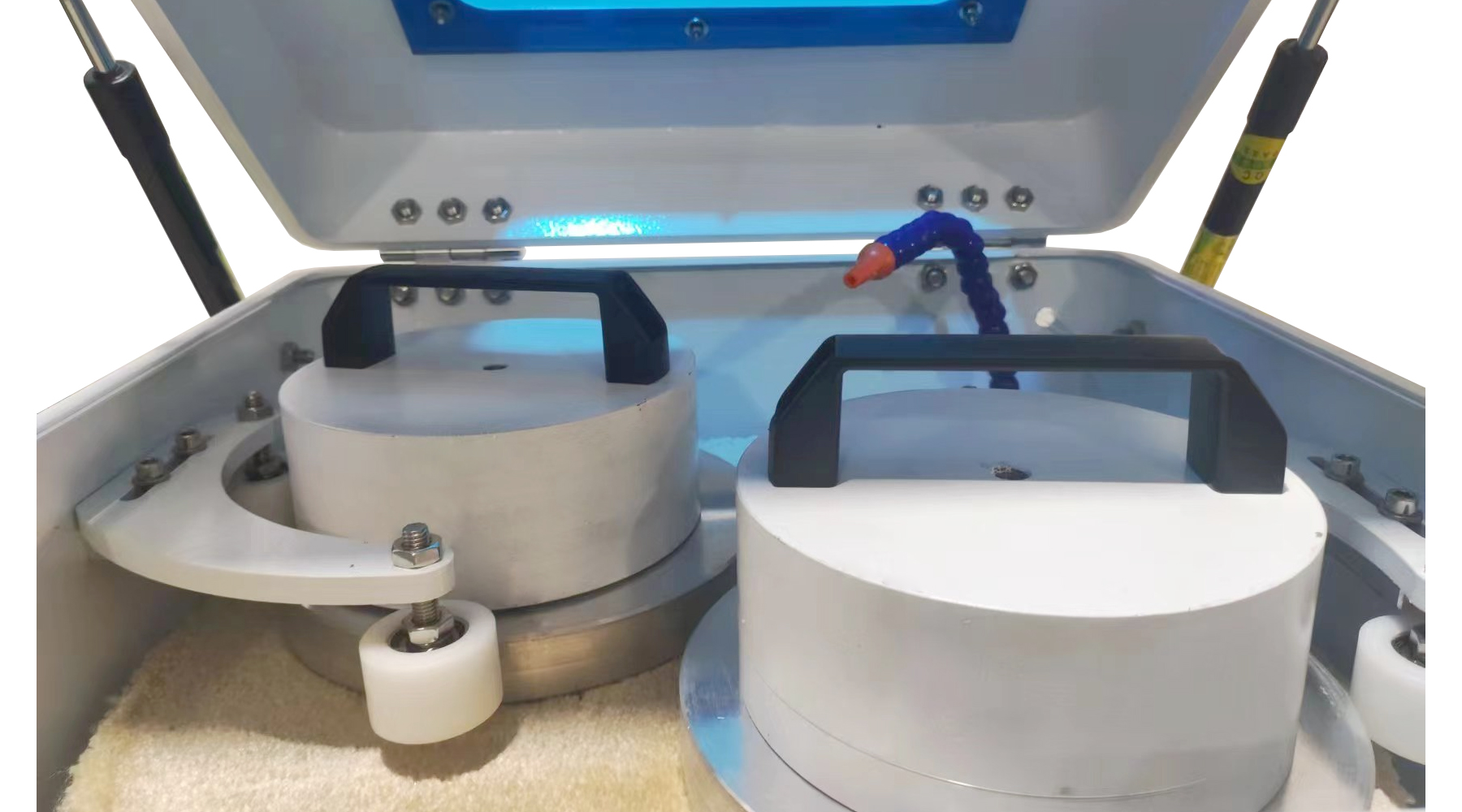
Capacity Planning Selection Checklist
Use the following checklist to align your facility’s needs with the correct CITEE equipment:
| Facility Type | Recommended Model | Stations | Throughput Focus |
|---|---|---|---|
| Local Repair Shop | CPM-002 | 2 | Low volume, high margin, space-saving |
| Large Shop / Mid-Factory | CPM-004/008 | 4 / 8 | Integrated compressor, medium-high volume |
| Refurbishment Factory | CPM-016 | 16 | High volume, continuous factory workflow |
| Large Industrial Factory | CPM-024 | 24 | Maximum throughput, enterprise-scale output |
Conclusion: Finalize Your screen polishing machine throughput per hour capacity planning
Mastering your screen polishing machine throughput per hour capacity planning is the difference between a profitable refurbishment line and an operational bottleneck. By accurately forecasting your volume, selecting the appropriate station count, and factoring in consumables repurchase cost, you ensure sustainable unit cost reduction. Remember, this process is strictly for light surface scratches and cannot fix deep cracks or shattered glass.
To request a formal PI and optimize your production line, please contact our B2B sales team. When reaching out, please provide your company name, monthly refurbishment volume, target quantity, and whether you need matching consumables. Our engineers will help you finalize your capacity plan and maximize your facility’s ROI.
No. Screen polishing machines are strictly designed to remove light surface scratches and restore optical clarity. They cannot fix deep cracks, deeply fractured glass, or shattered screens. Attempting to polish severely damaged glass will not yield results and will only waste consumables.
Station count directly dictates your hourly throughput capacity. Choosing a machine with too few stations for your volume creates bottlenecks and increases labor costs per unit, while choosing too many leads to underutilized capital. Matching the station count (e.g., 2 for small shops, 16 or 24 for large factories) to your monthly volume ensures optimal unit cost reduction.
When calculating your total cost of ownership, you must factor in the repurchase cost of polishing pads, polishing compounds, cleaning agents, and protective films. High-throughput machines like the CPM-024 will consume these materials at a higher rate, so forecasting monthly consumable usage is critical for accurate profit margin calculations.
It depends on the model. Smaller units like the CPM-002 may rely on standard shop air, but our mid-to-large scale models, such as the CPM-004/008, feature a built-in compressor. This integrated design eliminates the need for external air supply infrastructure, saving floor space and reducing setup complexity for large shops and factories.