
Understanding Screen Polishing vs Glass Replacement Cost for B2B Refurbishment
For used phone wholesalers and refurbishment factories, evaluating screen polishing vs glass replacement cost is critical for maximizing profit margins. When dealing with high volumes of pre-owned devices, every dollar spent on consumables or replacement parts directly impacts your bottom line. While deeply fractured glass requires full assembly replacement, light surface scratches can be efficiently removed through professional polishing, significantly lowering your unit cost and scrap rate.
The True Economics of Screen Polishing vs Glass Replacement Cost
In the B2B refurbishment sector, the decision between polishing and replacing hinges entirely on the type of damage and the resulting operational economics. When a device arrives with minor cosmetic blemishes, replacing the entire screen assembly is a massive waste of capital. Original equipment manufacturer (OEM) screens carry a high wholesale price, instantly eroding your margin. By contrast, polishing utilizes specialized abrasive compounds and machine automation to level the glass surface, removing only the microscopic layer of damage.
To fully understand how this impacts your facility’s financial health, we recommend reviewing our comprehensive guide on the Refurbishment ROI & Process. The core difference lies in the consumables repurchase cost versus the hard cost of a new LCD/OLED assembly. Polishing consumables (pads, compounds, and films) cost pennies per unit, whereas a replacement screen costs dollars.
Identifying Repairable Damage: Surface Scratches vs. Deep Fractures
It is imperative for factory managers and quality control teams to establish strict intake grading protocols. Professional screen polishing is strictly engineered to fix LIGHT SURFACE SCRATCHES on glass screens.
Let us be absolutely clear: polishing CANNOT fix deep cracks, shattered glass, or deeply fractured screens. If the structural integrity of the glass is compromised, or if the damage penetrates beyond the superficial oleophobic coating and top glass layer into the digitizer or display panel, the unit must be routed to the replacement line. Attempting to polish a cracked screen will not only fail to restore the device but will also void any warranty and result in catastrophic failure during final QA. Polishing is exclusively a cosmetic enhancement process for intact glass with light surface-level wear.
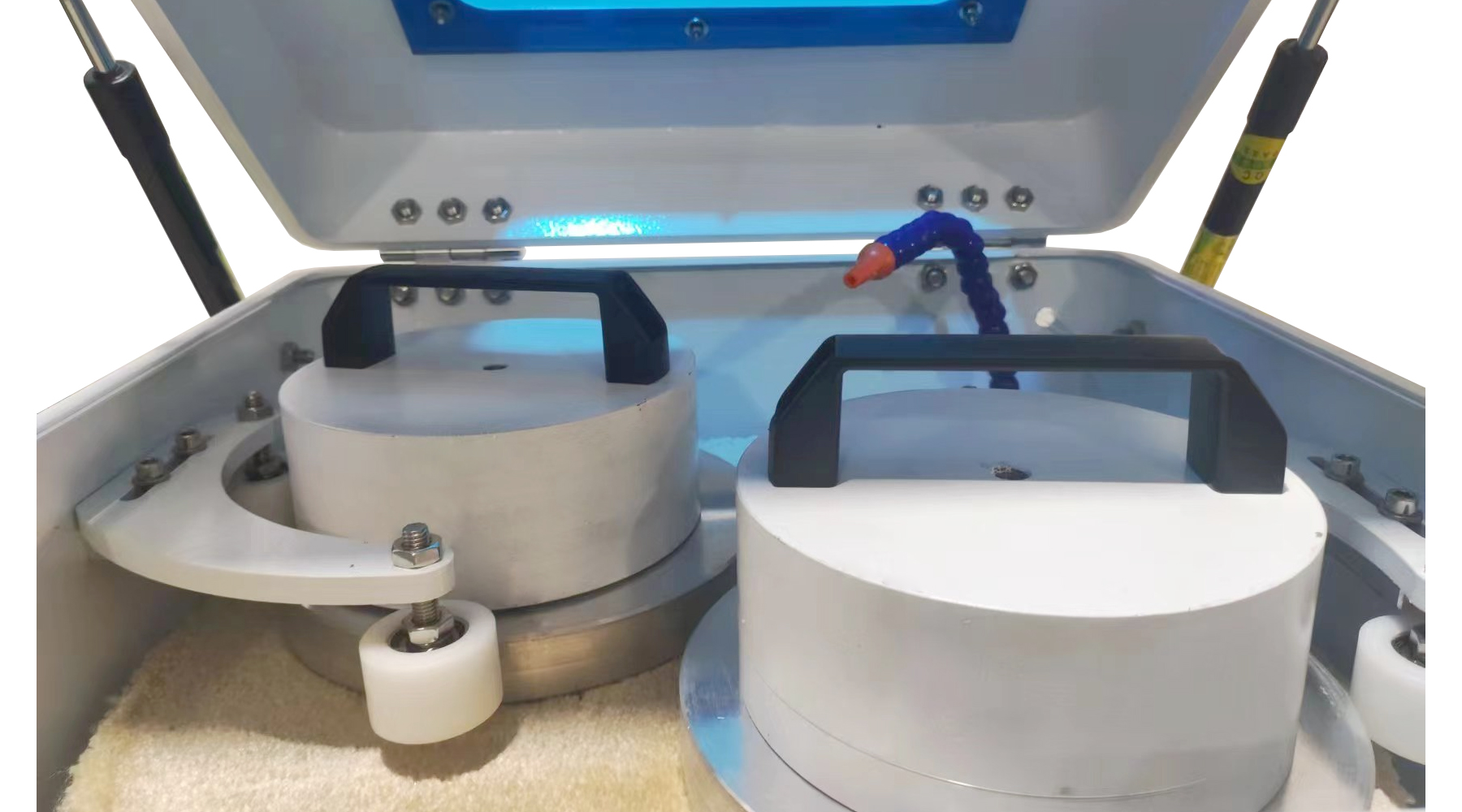
Scaling Throughput with Automated Polishing Equipment
Manual polishing is unviable for high-volume B2B operations. It introduces inconsistencies, relies heavily on operator skill, and creates a bottleneck in your throughput capacity. To achieve true unit cost reduction, factories must transition to automated, multi-station machinery.
For large shops and factories requiring high throughput, the CPM-004/008 Screen Polishing Machine is the industry standard. Featuring 4 or 8 independent stations and a built-in compressor, this equipment allows multiple devices to be processed simultaneously with uniform pressure and speed. This automation guarantees consistent results across thousands of units, drastically reducing the scrap rate caused by human error and ensuring that your operational metrics heavily favor polishing for Grade B and C inventory.
Integrating Polishing into Your QA and Grading Workflow
Integrating a polishing station into your existing quality assurance workflow requires precise intake grading. Before any device reaches the polishing line, it must pass a strict visual inspection under standardized lighting conditions. Technicians must differentiate between light surface scratches that can be buffed out and deeper gouges that require glass replacement. This triage process is the most critical step in ensuring your cost metrics remain favorable. If a device is mistakenly sent to the polishing line with deep structural damage, it will fail QA and require rework, negating the time saved. Proper training for your intake team ensures that only viable candidates enter the polishing cycle, thereby protecting your consumables and maximizing machine uptime.
Cost Optimization Formula for Refurbishment Lines
To determine the exact financial benefit for your specific operation, use the following optimization formula to compare your current replacement costs against polishing operational costs.
Refurbishment Cost Optimization Formula:
Total Replacement Cost = (Number of scratched units) × (Wholesale cost of replacement screen) + (Labor cost for screen swap) + (Disposal cost of old screen)
Total Polishing Cost = (Number of scratched units) × (Cost of polishing consumables per unit) + (Machine depreciation per unit) + (Labor cost for machine operation)
Net Margin Increase = Total Replacement Cost – Total Polishing Cost
By plugging in your actual wholesale procurement costs and local labor rates, the math overwhelmingly demonstrates that polishing yields a superior ROI. For exact machinery pricing and consumables costs, please request a formal Proforma Invoice (PI) by providing your company details to our sales team.
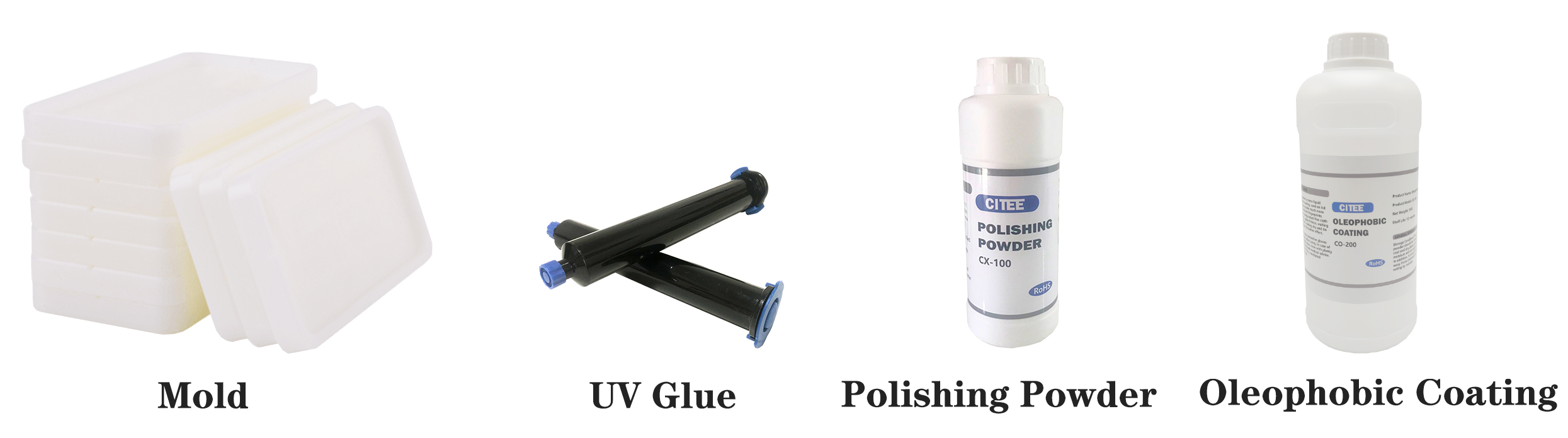
Maximizing ROI Through Consumables Management
The ongoing operational expense of a polishing line is dictated by consumables repurchase cost. High-quality polishing films, diamond suspensions, and conditioning pads are engineered to last for a specific number of cycles. By purchasing these directly from the equipment manufacturer, you ensure chemical compatibility and maximize the lifespan of each consumable batch.
When evaluating your operational costs, do not just look at the initial machine investment. Look at the recurring cost per cycle. A well-managed polishing line reduces the cost per unit to a fraction of a cent, making it the most economically sound strategy for handling high volumes of cosmetically imperfect, structurally intact devices.
Conclusion
Ultimately, the decision between screen polishing vs glass replacement cost comes down to strict damage categorization and operational scale. By restricting polishing to light surface scratches and automating the process with multi-station equipment, refurbishment factories can dramatically lower their scrap rates and increase profit margins on every batch of used phones. Remember that deep cracks and shattered glass require full replacement, but for surface-level defects, polishing is the undisputed champion of cost efficiency.
To get a precise quote tailored to your facility’s needs, please contact our B2B sales team. Provide your company name, monthly refurbishment volume, target quantity for machinery, and whether you need matching consumables. We will generate a formal PI to help you optimize your refurbishment line.
No. Professional screen polishing is strictly designed to fix light surface scratches on intact glass. It cannot fix deep cracks, shattered glass, or deeply fractured screens. Devices with structural glass damage must undergo full screen assembly replacement.
Polishing significantly reduces unit costs compared to glass replacement. While replacing a screen requires purchasing expensive OEM or high-quality aftermarket assemblies, polishing only incurs the minimal cost of abrasive consumables (pads, compounds, and films) per unit, drastically improving your profit margins.
High-volume factories require automated, multi-station equipment to ensure consistent throughput and quality. Machines like the CPM-004/008 feature 4 or 8 stations with a built-in compressor, allowing multiple devices to be processed simultaneously with uniform pressure, eliminating the inconsistencies of manual polishing.
We do not publish standard prices, as costs depend on your specific operational scale and requirements. To receive an accurate quote, please contact our B2B sales team with your company name, monthly refurbishment volume, target machinery quantity, and consumables needs to request a formal Proforma Invoice (PI).