
Screen Polishing Wholesale Used Phone Lots Buyer Guide for B2B Refurbishers
Welcome to the definitive screen polishing wholesale used phone lots buyer guide for B2B refurbishment operations. When processing bulk inventory, factory owners and wholesale distributors face a critical challenge: maximizing yield while minimizing scrap rates. Light surface scratches on glass screens can downgrade a device’s resale value, but they do not require a full screen replacement. By implementing industrial polishing, businesses can significantly reduce unit costs and increase throughput capacity.
The Screen Polishing Wholesale Used Phone Lots Buyer Guide: Core Principles
Before investing in equipment, it is crucial to understand the physical limitations of the polishing process. Industrial screen polishing is strictly designed to remediate light surface scratches, micro-abrasions, and minor scuffs on glass displays. It is imperative to state that polishing CANNOT fix deep cracks, shattered glass, or deeply fractured screens. Attempting to polish structural damage will compromise the display’s integrity and result in total device failure. For wholesale buyers processing mixed-grade lots, establishing a strict triage protocol to separate surface-scratched units from structurally damaged units is the first step toward profitability.
Maximizing ROI: Transforming Wholesale Inventory
The primary driver for adopting polishing technology is unit cost reduction. Replacing a glass screen involves high parts costs and significant labor time. In contrast, polishing utilizes consumable compounds and pads to restore the glass surface at a fraction of the cost. This directly impacts your bottom line by converting what would be classified as scrap or Grade C inventory into premium Grade A devices. To fully understand the financial impact of this conversion, we recommend reviewing our comprehensive Refurbishment ROI & Process documentation, which breaks down the exact metrics for yield improvement and operational scaling.
Managing Consumables Repurchase Cost
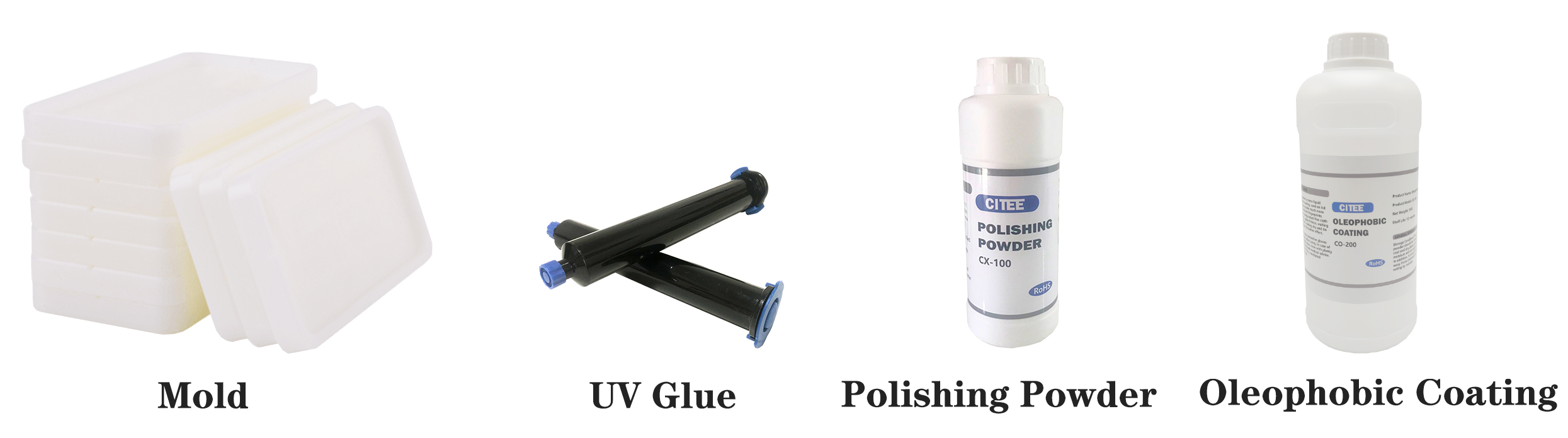
When calculating the true cost of ownership for your polishing line, the initial capital expenditure is only part of the equation. The ongoing consumables repurchase cost—specifically polishing compounds, diamond pads, and cooling lubricants—must be factored into your unit cost reduction model. High-quality consumables ensure that each pad maintains its cutting efficiency over thousands of cycles, preventing micro-scratches that could occur with degraded materials. For wholesale buyers processing massive lots, securing a reliable supply chain for these consumables is just as critical as the machinery itself.
Scaling Throughput with High-Capacity Equipment
For large-scale factories processing thousands of wholesale units monthly, manual or low-capacity machines create bottlenecks. High-volume operations require automated, multi-station equipment to maintain consistent throughput capacity. The CPM-024 24-station polishing machine is engineered specifically for high-capacity environments. With 24 simultaneous polishing stations, it drastically reduces the labor cost per unit and ensures uniform pressure and compound distribution across every device.

B2B Selection Checklist for Polishing Operations
When evaluating equipment for your facility, use the following optimization formula and checklist to ensure alignment with your operational goals.
| Operational Metric | Selection Criteria |
|---|---|
| Monthly Volume | Match station count to daily intake (e.g., 24-station for >5,000 units/month) |
| Damage Triage | Ensure staff is trained to reject deep cracks and only process light surface scratches |
| Consumables Cost | Calculate the repurchase cost of polishing compounds and pads per 1,000 units |
| Scrap Rate Target | Aim to reduce screen-related scrap by at least 15-20% through surface restoration |
Frequently Asked Questions
Q: Can industrial polishing machines fix a shattered or deeply cracked screen?
A: No. Polishing equipment is strictly engineered to fix light surface scratches and micro-abrasions. It cannot repair deep cracks, shattered glass, or structural fractures. Devices with deep damage must be routed to full screen replacement lines.
Q: How does surface polishing impact the scrap rate in wholesale lots?
A: By successfully remediating light surface scratches, you convert Grade C or scrap inventory into Grade A retail-ready devices. This directly reduces your overall screen-related scrap rate and increases the average resale value of the wholesale lot.
Q: What is the recommended throughput for a 24-station machine?
A: The CPM-024 is designed for high-capacity factories. Its 24-station configuration allows for simultaneous processing, significantly boosting throughput capacity and reducing the labor cost per unit compared to single or dual-station machines.
Q: How often do consumables need to be repurchased?
A: Consumables repurchase cost depends on your daily throughput and the severity of the surface scratches. High-volume factories typically order consumables in bulk to maintain continuous operation and secure better unit pricing on pads and compounds.
Conclusion
Implementing a structured approach to surface scratch remediation is essential for modern refurbishment facilities. This screen polishing wholesale used phone lots buyer guide highlights the importance of strict damage triage, high-capacity equipment, and precise consumables management. By focusing exclusively on light surface scratches and avoiding deep structural damage, factories can protect their margins and scale efficiently.
To receive a formal Proforma Invoice (PI) and detailed equipment specifications, please contact our B2B sales team. When reaching out, ensure you provide your company name, monthly refurbishment volume, target quantity for equipment, and whether you need matching consumables included in your initial order.
No. Polishing equipment is strictly engineered to fix light surface scratches and micro-abrasions. It cannot repair deep cracks, shattered glass, or structural fractures. Devices with deep damage must be routed to full screen replacement lines.
By successfully remediating light surface scratches, you convert Grade C or scrap inventory into Grade A retail-ready devices. This directly reduces your overall screen-related scrap rate and increases the average resale value of the wholesale lot.
The CPM-024 is designed for high-capacity factories. Its 24-station configuration allows for simultaneous processing, significantly boosting throughput capacity and reducing the labor cost per unit compared to single or dual-station machines.
Consumables repurchase cost depends on your daily throughput and the severity of the surface scratches. High-volume factories typically order consumables in bulk to maintain continuous operation and secure better unit pricing on pads and compounds.