
Maximizing ROI with Water Circulation Slurry Management Polishing Machines
For high-volume used phone wholesalers and factory owners, managing operational overhead is critical to maintaining profitability in screen refurbishment. Upgrading to water circulation slurry management polishing machines offers a strategic advantage by optimizing fluid dynamics and extending the lifespan of your abrasive media. These systems are engineered specifically to remove light surface scratches from glass screens, significantly lowering your unit cost reduction metrics while maximizing throughput capacity.
How Water Circulation Slurry Management Polishing Machines Reduce Operating Costs
In traditional refurbishment setups, abrasive slurry is often applied in a single pass and discarded, leading to massive material waste and inconsistent cutting performance. Water circulation slurry management polishing machines solve this inefficiency by integrating a closed-loop fluid system. This system continuously filters, cools, and recirculates the cerium oxide mixture, ensuring that the abrasive concentration remains stable throughout the entire production run.
By maintaining a consistent slurry density, factory owners can drastically reduce their consumables repurchase cost. The abrasive media does not degrade as quickly because it is kept at an optimal temperature and free from large particulate contaminants. This direct reduction in material waste translates to a significantly lower unit cost per refurbished screen, directly improving your gross margin on high-volume batches.
Optimizing Throughput and Scrap Rate with Advanced Slurry Control
Throughput capacity is heavily dependent on the consistency of the polishing environment. When slurry temperature fluctuates or abrasive concentration drops, operators are forced to slow down machine feed rates to compensate, creating a bottleneck on the factory floor. Advanced water circulation systems eliminate these variables by providing a steady, climate-controlled flow of abrasive fluid to the polishing pads.
This stability directly impacts your scrap rate. Consistent slurry delivery means every device receives the exact same level of material removal, preventing over-polishing or under-polishing. For a comprehensive breakdown of how these variables impact your bottom line, review our guide on Polishing Consumables & Operating Cost.
Selecting the Right Consumables for Your System
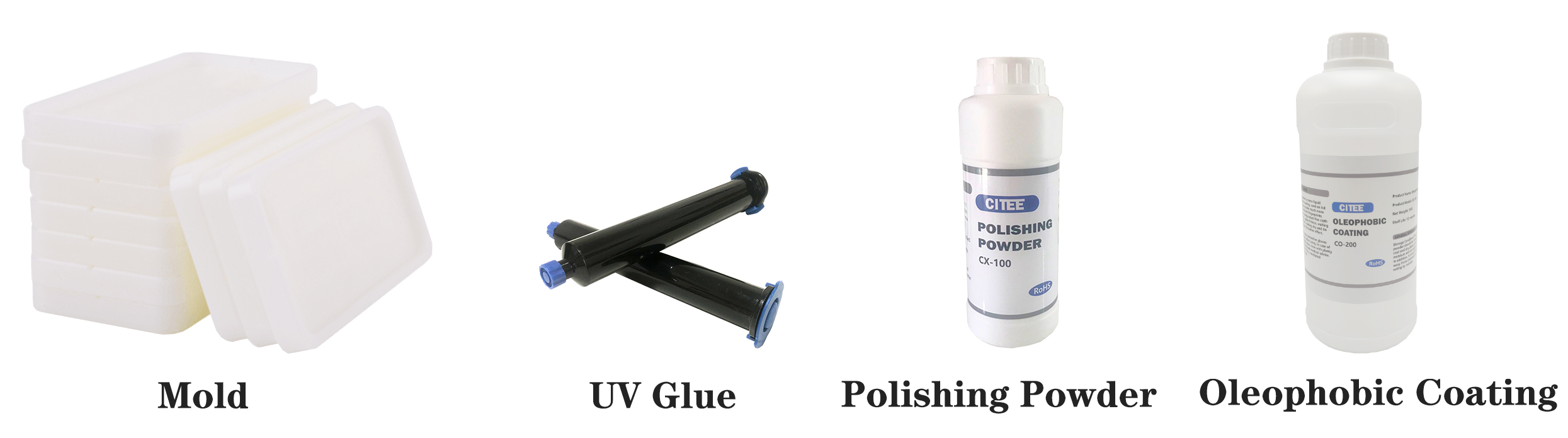
The mechanical advantages of a closed-loop system are only as effective as the materials you feed into it. To maintain optimal slurry viscosity and cutting efficiency, facilities should integrate high-grade cerium oxide polishing powder 5KG bags into their supply chain. Standardized industrial packaging ensures that your mixing ratios remain precise, preventing clogged filters and pump cavitation within the circulation system.
Refurbishment ROI Formula:
(Baseline Scrap Rate % – New Scrap Rate %) × Monthly Volume × Wholesale Margin = Monthly Savings
+ Savings from reduced consumables repurchase cost via slurry recycling
Critical Limitations: Surface Scratches vs. Deep Fractures
As a B2B refurbishment facility, setting correct expectations for downstream clients is vital for maintaining your reputation and avoiding costly warranty claims. It is crucial to explicitly state that polishing CANNOT fix deep cracks, shattered glass, or deeply fractured screens — it is strictly limited to surface-level scratch removal.
Water circulation slurry management polishing machines are designed exclusively to level the microscopic peaks and valleys of light surface abrasions. If a screen has sustained impact damage that compromises the structural integrity of the glass, no amount of cerium oxide polishing will repair it. Deep structural damage requires full LCD or OLED assembly replacement. Attempting to polish a fractured screen will only result in wasted consumables, damaged polishing pads, and a guaranteed scrapped unit.

System Maintenance and Longevity
Investing in water circulation slurry management polishing machines also requires a disciplined approach to preventative maintenance. The filtration units must be cleaned regularly to prevent micro-clogging, which can reduce pump efficiency and alter the flow rate to the polishing heads. Furthermore, the recirculation tanks should be flushed periodically to prevent the buildup of hardened slurry residue.
By adhering to a strict maintenance schedule, factory owners can extend the operational lifespan of the machinery itself, protecting the initial capital expenditure and ensuring that the equipment continues to deliver peak ROI for years. Proper maintenance also ensures that the polishing pads wear evenly, further reducing the frequency of pad replacements and keeping your operational overhead low.
Request a Formal Proposal
To request a formal PI and evaluate the integration of water circulation slurry management polishing machines into your facility, please contact our B2B sales team. When reaching out, you must provide your company name, monthly refurbishment volume, target quantity, and whether you need matching consumables included in the proposal. Our engineering team will analyze your specific throughput requirements to configure a system that maximizes your unit cost reduction and minimizes your scrap rate.
No. Polishing CANNOT fix deep cracks, shattered glass, or deeply fractured screens. These machines are strictly designed to remove light surface scratches on intact glass. Deep structural damage requires full assembly replacement.
By continuously filtering and recycling the slurry, the system prevents premature abrasive degradation. This significantly lowers the frequency of consumable repurchases and reduces overall unit costs for high-volume refurbishment facilities.
High-purity, correctly milled cerium oxide is required to maintain slurry stability. We recommend utilizing standardized industrial packaging, such as our cerium oxide polishing powder 5KG bags, to ensure consistent mixing ratios and prevent pump cavitation.
Calculate the difference in your scrap rates before and after the upgrade, multiply by your monthly volume and profit margin, and add the savings from reduced consumable waste. A stable slurry environment directly improves throughput and lowers the unit cost per device.