
Waterproof Glue Curing Time Mold Sealing Best Practice for Phone Refurbishment
In high-volume phone refurbishment, achieving a watertight seal after screen polishing is critical for product quality and customer satisfaction. Mastering the waterproof glue curing time mold sealing best practice ensures your factory minimizes scrap rates while maximizing throughput capacity. When dealing with light surface scratches on glass screens, the final sealing step is just as important as the initial polishing phase. This guide outlines how factory owners and wholesalers can optimize their consumables repurchase costs and improve overall ROI.
Understanding the Waterproof Glue Curing Time Mold Sealing Best Practice
The final assembly stage of a refurbished device requires precision. After the glass screen has been polished to remove light surface scratches, it must be perfectly resealed to meet original equipment manufacturer (OEM) durability standards. It is crucial to explicitly state that polishing CANNOT fix deep cracks or shattered glass — only surface-level scratches. Once the surface is perfected, the application of a high-quality adhesive is required. Utilizing a reliable UV waterproof sealing glue 30ml/50ml is the industry standard for B2B refurbishment lines. The curing time of this adhesive directly dictates your line’s bottleneck. If the curing time is too long, devices pile up, reducing daily throughput. If it is too short, the adhesive may not achieve full tensile strength, leading to seal failures and increased scrap rates. The waterproof glue curing time mold sealing best practice involves balancing UV exposure duration with ambient temperature to achieve a full cure in the minimum viable time without compromising the structural integrity of the bond.
The Critical Role of Precision Tooling in Sealing
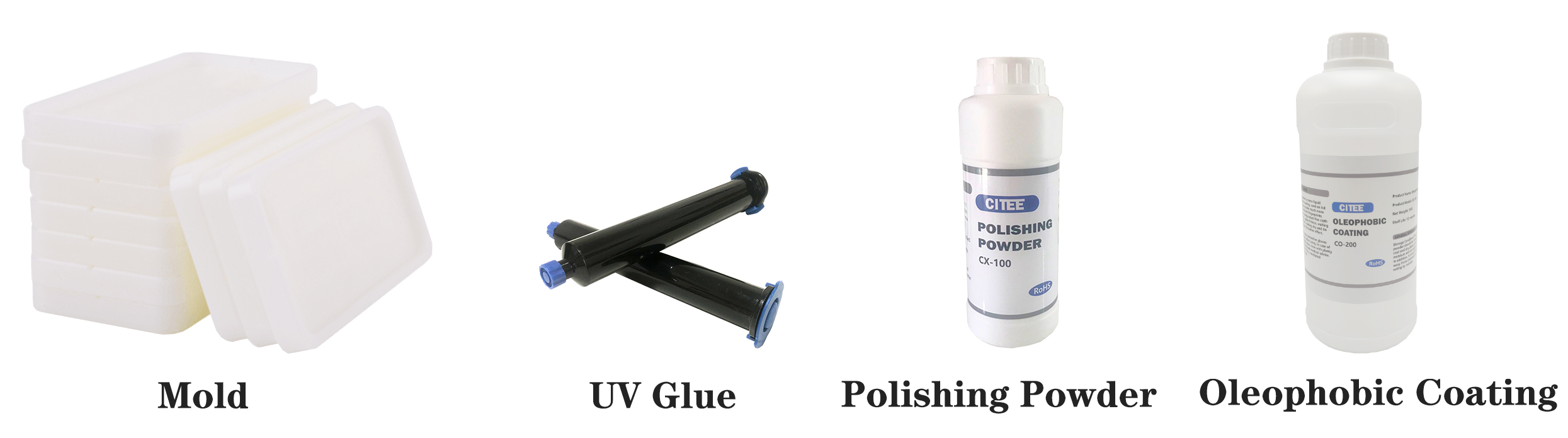
Even the highest quality adhesive will fail if the physical alignment of the screen to the frame is incorrect. This is where precision tooling becomes a non-negotiable investment for wholesale refurbishers. Using model-specific phone holding molds/jigs ensures that every device is held in exact factory tolerances during the glue application and curing phases. Generic or worn-out molds introduce micro-gaps, causing the glue to seep into internal components or fail to create a continuous waterproof bead. By utilizing model-specific molds, your operators can seat the screen perfectly flat, apply uniform pressure, and ensure the adhesive cures in a controlled environment. This drastically reduces the unit cost of rework and prevents glue waste, directly impacting your consumables repurchase cost.
Optimizing Consumables and Operating Costs
To truly maximize ROI, factory owners must look at the entire refurbishment ecosystem. The cost of sealing is not just the price of the glue; it includes the wear and tear on molds, the energy consumed by UV curing stations, and the labor hours tied up in waiting for cures. For a comprehensive breakdown of how these variables interact, refer to our Polishing Consumables & Operating Cost guide. By standardizing your glue application volume and optimizing the curing cycle, you can reduce the per-unit consumable cost significantly. Furthermore, high-quality molds last for tens of thousands of cycles, making their amortized cost negligible compared to the savings from reduced scrap rates.
Cost Optimization Formula for Sealing Operations
| Operational Variable | Impact on ROI | Optimization Strategy |
|---|---|---|
| Glue Curing Time | Dictates daily throughput capacity and labor utilization. | Calibrate UV lamp intensity to achieve full cure in the minimum safe duration. |
| Mold Tolerance | Prevents glue seepage and ensures uniform bead distribution. | Use model-specific molds and replace them before wear impacts alignment. |
| Glue Dispensing Volume | Directly affects consumables repurchase cost per unit. | Standardize dispensing parameters to avoid over-application and internal damage. |
Environmental Factors and Curing Consistency
Temperature and humidity in your factory floor play a massive role in adhesive performance. Even with the perfect mold and high-quality glue, a cold factory environment can double the required curing time, creating a severe bottleneck in your daily output. Conversely, excessive heat can cause the adhesive to thin out before it cures, leading to messy seepage. The waterproof glue curing time mold sealing best practice mandates that your curing station is kept within the manufacturer’s recommended temperature range. Investing in localized climate control for the sealing area is a minor capital expenditure that yields massive returns in consistent daily throughput and reduced unit cost variations.
Scaling Your Refurbishment Line
As your factory scales, maintaining consistent quality across thousands of units requires strict adherence to standardized protocols. The waterproof glue curing time mold sealing best practice is not a one-time setup; it requires continuous monitoring. Track your scrap rates weekly. If seal failures increase, investigate the curing time consistency and mold wear before blaming the adhesive itself. Implementing a rigorous quality control checkpoint immediately after the curing phase will catch failures early, preventing defective units from moving down the packaging line.

Conclusion
Mastering the sealing phase of phone refurbishment is essential for delivering premium quality to your B2B clients while protecting your profit margins. By strictly following the waterproof glue curing time mold sealing best practice, you ensure high throughput, low scrap rates, and optimized consumable usage. Remember, while polishing is highly effective for light surface scratches, it cannot fix deep cracks or shattered glass. To discuss how CITEE Industrial can supply your facility with premium sealing adhesives and precision tooling, please reach out to our sales team. When requesting a formal Proforma Invoice (PI), kindly provide your company name, monthly refurbishment volume, target quantity, and whether you need matching consumables.
Optimizing the curing time ensures devices do not pile up at the sealing station. By balancing UV exposure and ambient temperature, factories can achieve a full cure in the minimum viable time, directly maximizing daily throughput capacity and labor utilization.
No. Polishing CANNOT fix deep cracks or shattered glass — it is only capable of repairing light surface-level scratches. Attempting to polish deep structural damage will compromise the glass integrity further.
Model-specific molds ensure that every device is held in exact factory tolerances during glue application. This prevents micro-gaps, ensures a uniform waterproof bead, and drastically reduces glue waste and rework costs.