
Why Polished Screens Still Show Scratches: Troubleshooting Guide for B2B
For B2B refurbishment facilities, achieving a flawless finish is critical to maximizing ROI. However, operators frequently ask: why polished screens still show scratches troubleshooting becomes essential when yield rates drop. If your factory is experiencing residual micro-marks after the buffing cycle, it is rarely a machine failure. Instead, it usually points to consumable degradation, improper technique, or inadequate pre-cleaning. Understanding the root causes of these surface-level imperfections is vital for reducing scrap rates and maintaining high throughput capacity in your used phone processing line.
Why Polished Screens Still Show Scratches: Troubleshooting the Root Causes
When evaluating your refurbishment line, identifying the exact source of residual marks is the first step toward unit cost reduction. In a high-volume environment, even a 2% increase in scrap rate due to polishing defects can severely impact monthly profitability. The most common reasons for persistent surface scratches include inconsistent slurry application, worn-out polishing pads, and environmental contamination.
First, consider the pre-cleaning stage. If ultrasonic cleaners or manual wiping stations fail to remove all abrasive dust particles from the incoming glass, these particles become embedded in the polishing pad. During the buffing cycle, the pad acts like sandpaper, introducing new micro-scratches instead of removing the old ones. Second, machine calibration plays a massive role. Incorrect down-pressure or uneven platen speeds will cause the abrasive compound to distribute unevenly, leaving streaks and unpolished zones.
It is critical to reiterate that industrial polishing is strictly engineered to remove light surface scratches. It CANNOT fix deep cracks, fractured glass, or shattered screens. Attempting to polish deep structural damage will only compromise the glass integrity and result in a total loss of the unit. Proper triage at the intake stage is non-negotiable.
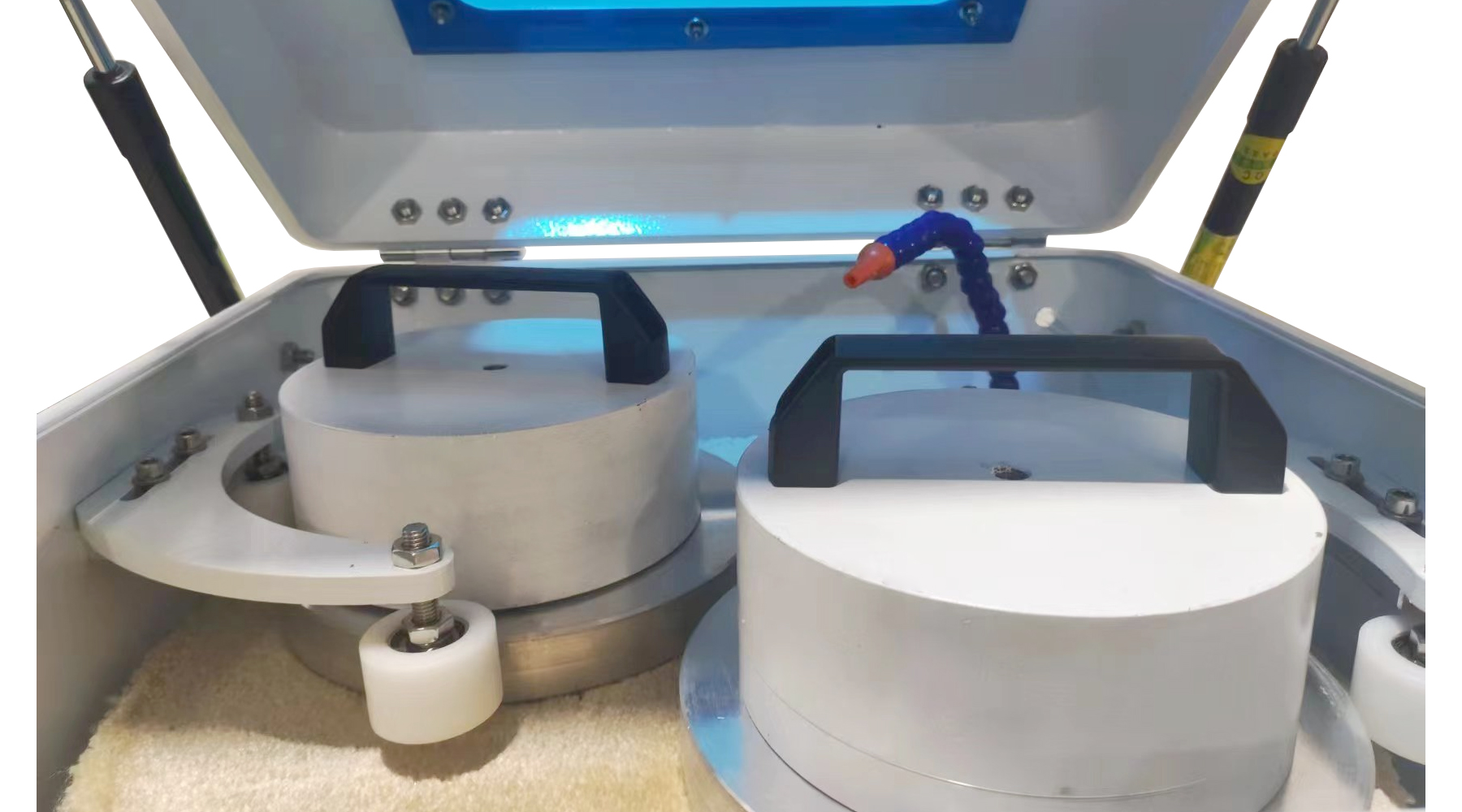
Optimizing Consumables and Process Parameters
The quality of your abrasive compound directly dictates the final optical clarity of the glass. Low-grade or improperly mixed cerium oxide will fail to level the glass surface uniformly. To maintain consistent throughput and minimize consumables repurchase cost, facilities must standardize their slurry mixing ratios and ensure the powder is fully dissolved before application.
Using premium-grade abrasives ensures that the chemical and mechanical action works in harmony to erase light surface defects without generating excessive heat, which can weaken the glass. For facilities looking to stabilize their polishing results, upgrading to high-purity cerium oxide polishing powder 5KG bags is a proven method to reduce batch-to-batch variance. This ensures every unit receives the exact same abrasive profile, directly improving your first-pass yield.
To calculate how proper technique and premium consumables impact your overall bottom line, review our comprehensive Refurbishment ROI & Process guide. Optimizing these variables is the key to transforming your refurbishment line from a cost center into a high-margin operation.
Selection Checklist for Polishing Operations
To standardize your troubleshooting and maintenance protocols, implement the following operational checklist across all shifts. This ensures every operator adheres to the parameters required for optimal surface scratch removal.
| Operational Phase | Key Parameter to Verify | Impact on Yield |
|---|---|---|
| Intake & Triage | Verify only light surface scratches are accepted; reject deep cracks. | Prevents machine damage and glass shattering. |
| Pre-Cleaning | Ensure ultrasonic baths are filtered and free of abrasive debris. | Eliminates pad contamination and secondary scratching. |
| Slurry Preparation | Mix cerium oxide to exact density; agitate continuously. | Ensures uniform material removal and optical clarity. |
| Machine Calibration | Check platen pressure, speed, and water flow rates. | Prevents uneven polishing and thermal stress on glass. |
| Pad Maintenance | Dress pads daily; replace when wear indicators are met. | Maintains consistent friction and scratch removal rate. |

Maintenance and Operator Training
Addressing why polished screens still show scratches troubleshooting requires a commitment to continuous operator training. Human error in slurry application or pad dressing is a leading cause of residual marks. Operators must be trained to recognize the visual cues of a worn polishing pad, such as glazing or uneven wear patterns.
Furthermore, regular machine maintenance is non-negotiable. Water nozzles must be cleared of mineral buildup to ensure proper cooling during the polishing cycle. Overheating the glass not only reduces the effectiveness of the cerium oxide but can also induce micro-fractures in the screen. By establishing a strict preventative maintenance schedule, factories can drastically reduce unplanned downtime and maintain a steady flow of refurbished units.
Conclusion
Achieving a flawless finish on used devices is a complex interplay of machine calibration, consumable quality, and operator discipline. By systematically addressing why polished screens still show scratches troubleshooting becomes a manageable process rather than a source of lost revenue. Remember that polishing is exclusively for light surface scratches; it cannot fix deep cracks or shattered glass. Focus on strict intake triage, premium consumables, and rigorous pad maintenance to maximize your facility’s throughput and profitability.
To request a formal PI and optimize your line, please provide your company name, monthly refurbishment volume, target quantity, and whether you need matching consumables. Our engineering team will review your requirements and provide a tailored solution to elevate your refurbishment ROI.
No. Polishing is strictly designed to remove light surface scratches. It cannot fix deep cracks, fractures, or shattered glass. Deeply damaged screens must be replaced entirely.
In a high-throughput B2B environment, polishing pads should be inspected daily and replaced based on wear indicators, typically every 500 to 1,000 cycles, to prevent embedded debris from causing new micro-scratches.
Absolutely. Low-grade or contaminated powder will leave micro-marks. Using high-purity cerium oxide ensures a consistent slurry that effectively levels the glass without introducing new defects.
The most common cause is pad contamination. If incoming screens are not properly pre-cleaned, abrasive dust becomes embedded in the polishing pad, acting like sandpaper and creating new micro-scratches during the buffing process.